Color Drenching at Home Without Making the Room Feel Flat
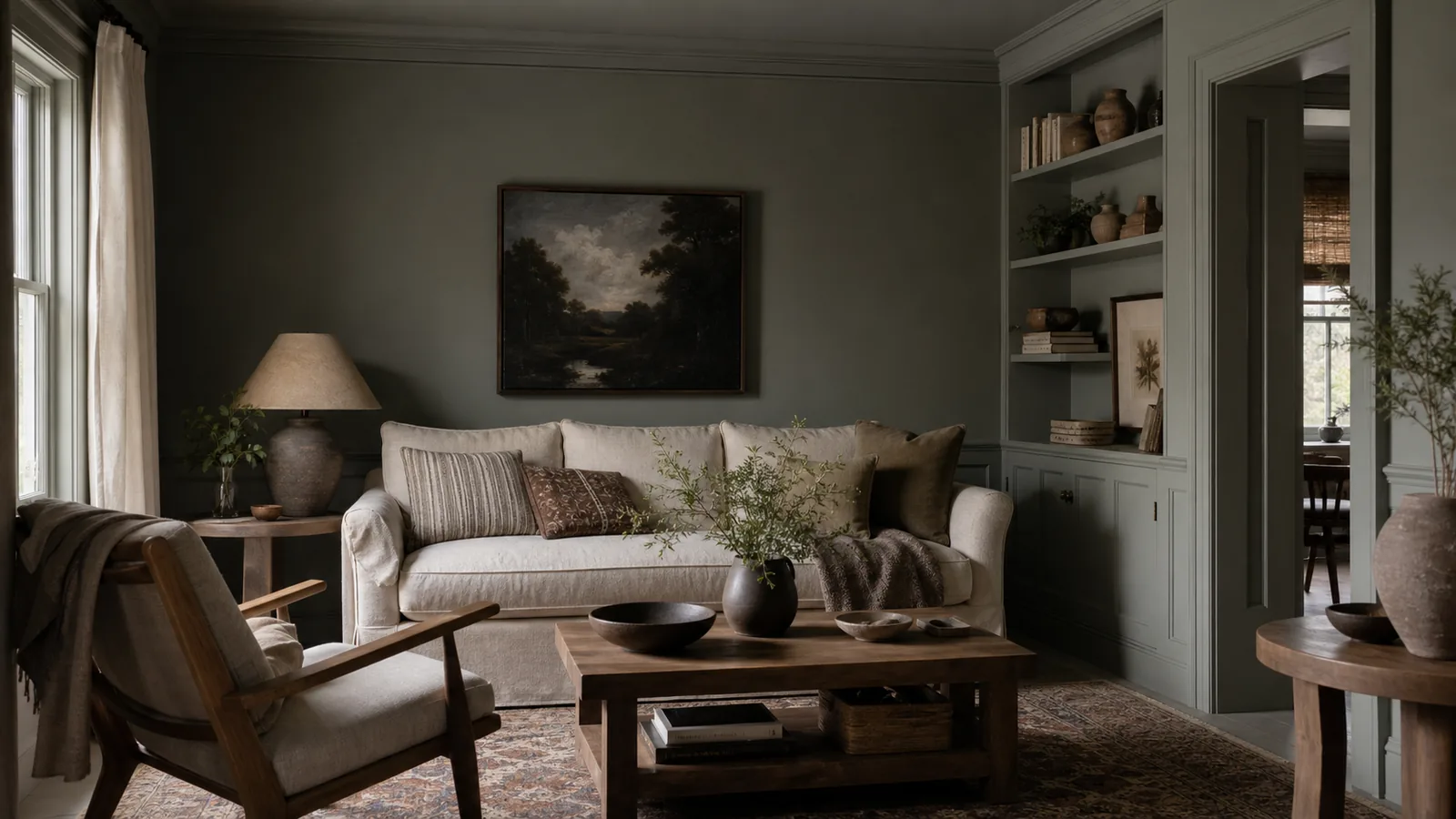
Color Drenching Is Not Just Painting Everything the Same Color
Color drenching sounds simple: walls, trim, doors, shelves, maybe even the ceiling, all in one color. In practice, the good versions are not flat at all. They feel wrapped, quiet, and dimensional.
The bad versions can feel heavy or oddly blank. The room loses its edges, furniture floats without enough contrast, and the color starts to feel like a filter placed over everything.
The difference is not only the paint color. It is sheen, lighting, texture, furniture weight, and how much relief the room gets from materials that are not painted.
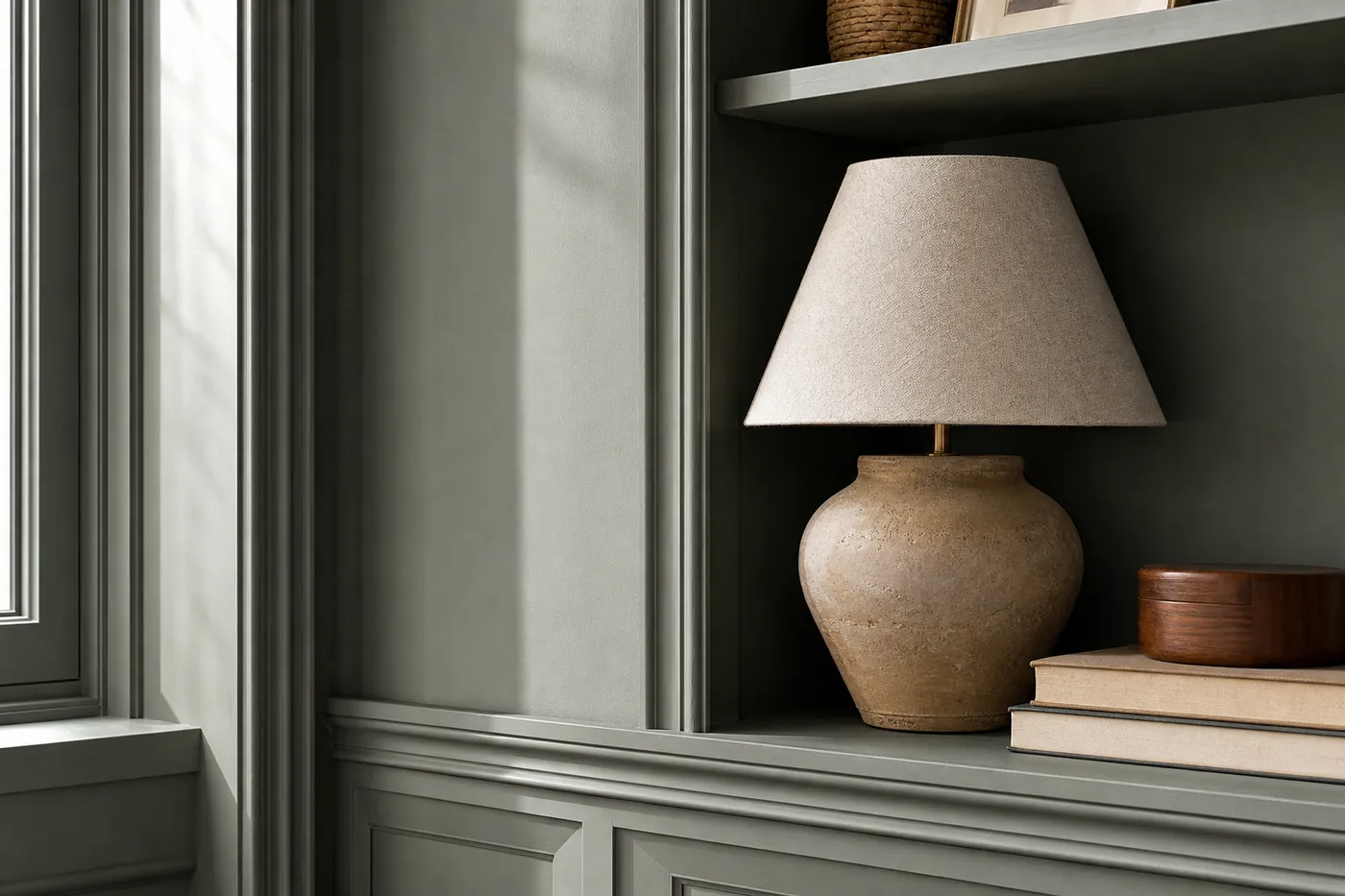
Choose a Color With a Little Gray in It
Clear colors can look exciting on a swatch and exhausting on four walls. A little gray, brown, or black in the mix usually makes color drenching easier to live with.
Smoky green, muted blue, clay pink, mushroom, ochre, and soft charcoal all have enough complexity to shift with the light. That shift matters because the room needs movement even when the paint color repeats.
If you are unsure, paint a large sample near trim and furniture, then look at it morning, afternoon, and evening. A color that only works at noon may not be the one you want surrounding you at night.
Vary the Sheen Before You Vary the Color
One of the quietest ways to create depth is to keep the color consistent but change the finish.
Matte or eggshell on the walls can feel soft. Satin on trim, doors, or shelves can catch just enough light to show the architecture. The color still reads as one idea, but the room does not become a flat block.
This is especially useful in older homes or rentals with basic trim. The paint can make ordinary details feel more intentional without adding another color line.
Let Fabric Break the Surface
A color-drenched room needs texture that is not painted. Linen curtains, wool rugs, cotton bedding, boucle, cane, raw wood, and matte ceramic all interrupt the color in a good way.
The fabric does not have to be high contrast. In fact, softer contrast often works better. Cream linen against smoky green, oat wool against clay, or pale blue bedding in a blue room can keep the palette quiet while still giving the eye something to read.
Without texture, color drenching can start to feel like a backdrop. With texture, it becomes a room.
Keep One or Two Dark Notes
Rooms need weight. If every object is pale against a saturated wall, the space can feel washed out. If everything is dark, the color can feel heavy.
One or two darker notes are usually enough: a black picture frame, a dark wood table, a deep bronze lamp base, a charcoal throw. These small anchors help the color feel deliberate rather than hazy.
The dark pieces should be useful, not random. A frame, lamp, or chair leg works better than scattering tiny dark accessories around the room.
Do Not Match Every Accessory to the Wall
Tone-on-tone can be beautiful until it becomes too obedient. If the wall is green, not every cushion, vase, and book needs to be green. The room needs related colors, not identical ones.
Use neighboring tones: olive with gray-green, rust with clay, cream with mushroom, blue-gray with slate. A little tension keeps the palette alive.
The easiest test is to remove the accessories that look like they were bought only to match. The room often feels more natural immediately.
Give White Space a Different Job
In a color-drenched room, white space may not be literal white. It can be an unfilled section of wall, a simple linen curtain, a pale rug, or a clean tabletop.
The room still needs pauses. Without them, the color has nowhere to settle.
This matters most in smaller rooms. Color drenching can make a small room feel cozy and resolved, but only if the layout stays edited. Too much furniture against saturated walls can make the room feel packed.
Try It First in a Room With a Clear Boundary
Color drenching is easiest in a room that has a natural beginning and end: a bedroom, powder room, office, hallway, or small den. Open-plan spaces are harder because the color has to negotiate with nearby rooms.
A contained room lets the effect feel intentional. You enter the color, experience it, and leave it. That boundary makes bolder choices easier to live with.
If the room connects directly to another space, repeat one material or accent color outside the room so the transition does not feel abrupt.
The Best Versions Still Have Air
Color drenching should make a room feel more complete, not more covered.
When it works, the repeated color calms the architecture, the textures keep the surfaces alive, and the darker notes give everything a little gravity. The room feels held together without feeling sealed shut.
That is the balance worth chasing: not more color for its own sake, but a room that finally feels like one thought.
You might also like
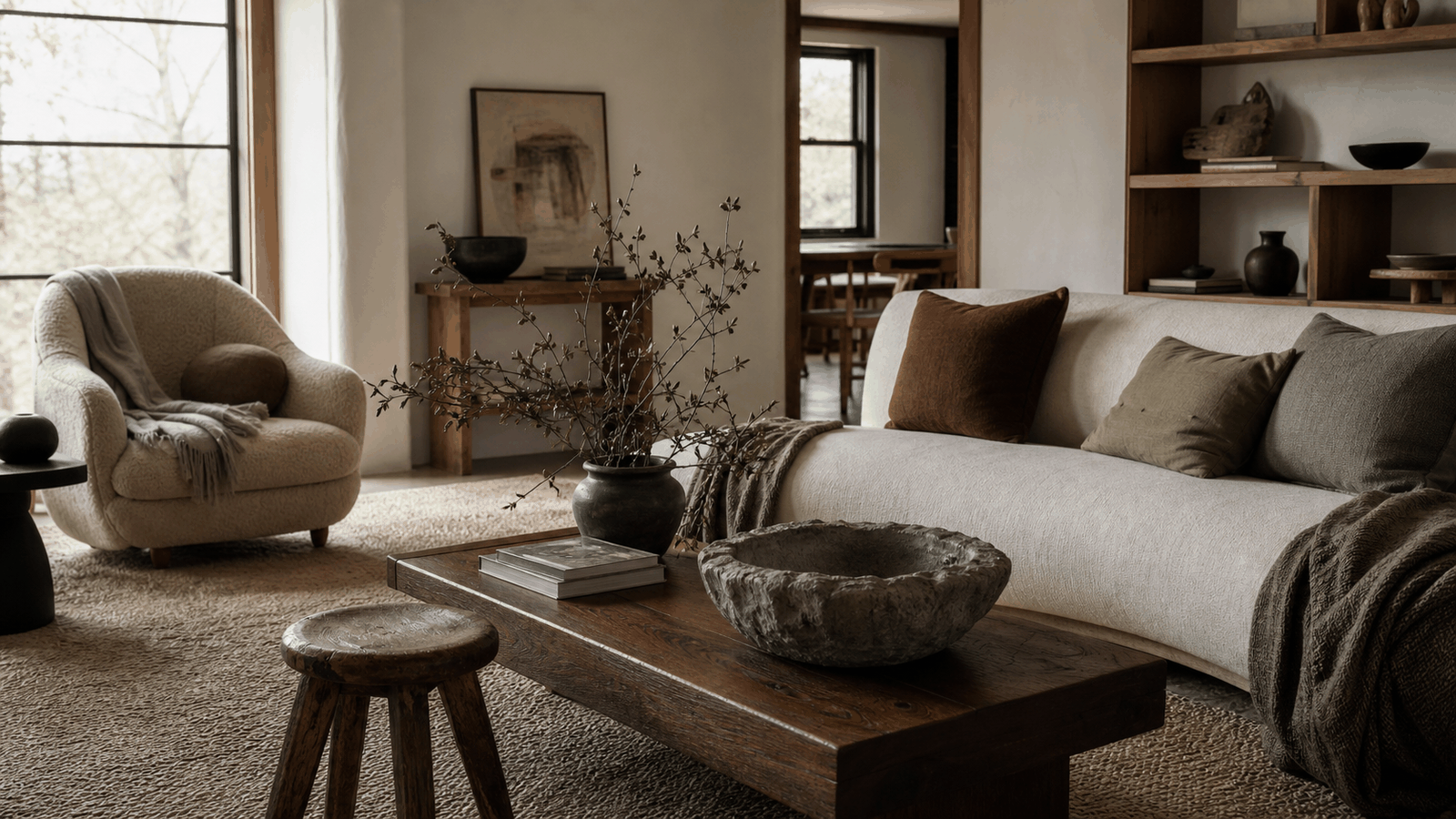
Organic Modern Home Decor Without the Showroom Look
Organic modern style works best when the room keeps its natural texture, useful contrast, and a few imperfect pieces instead of becoming a beige display.
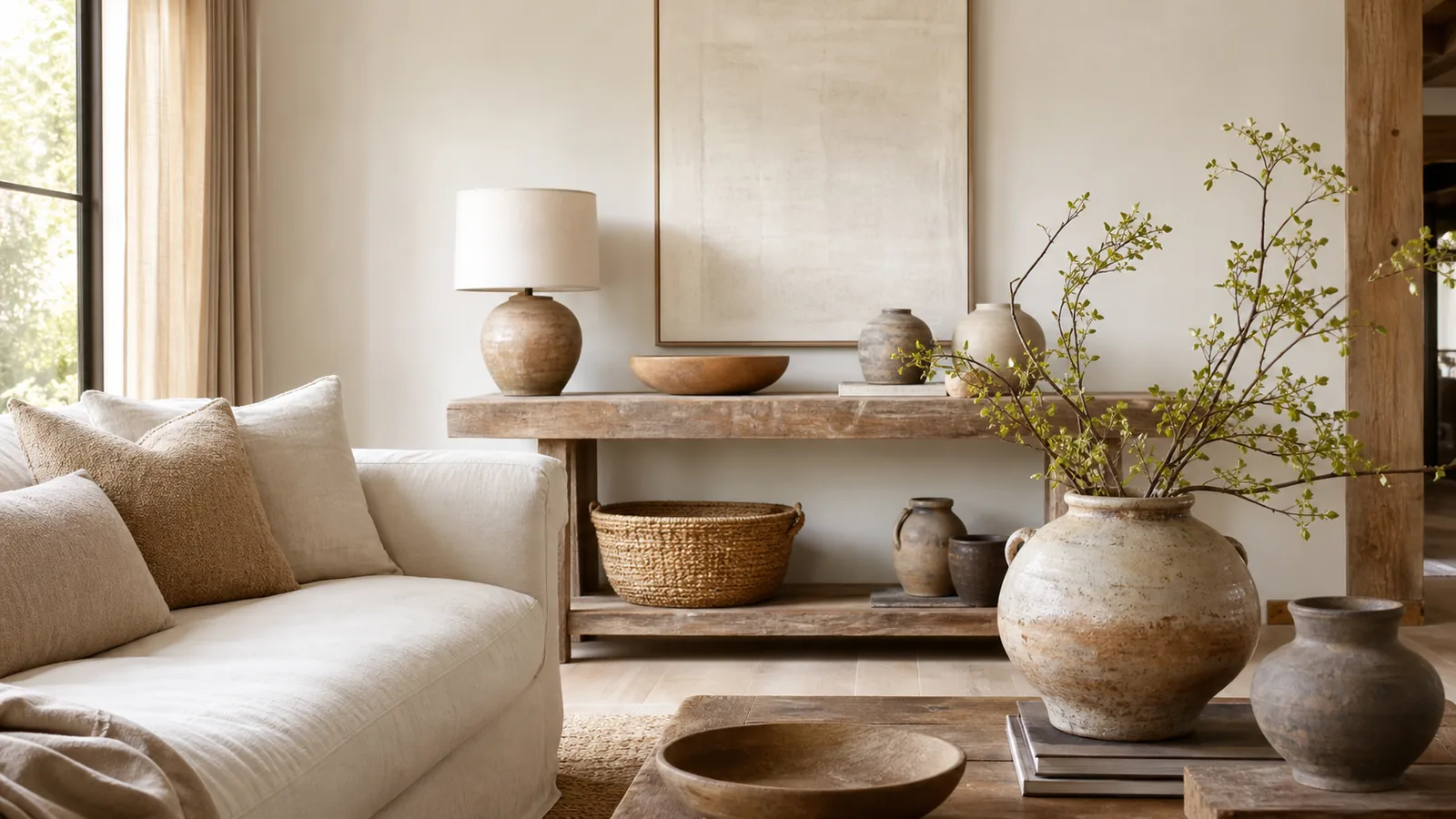
Rustic Home Decorations That Add Warmth Without Making a Room Feel Heavy
Rustic home decorations work best when they add texture, usefulness, and age without filling every surface or darkening the whole room.
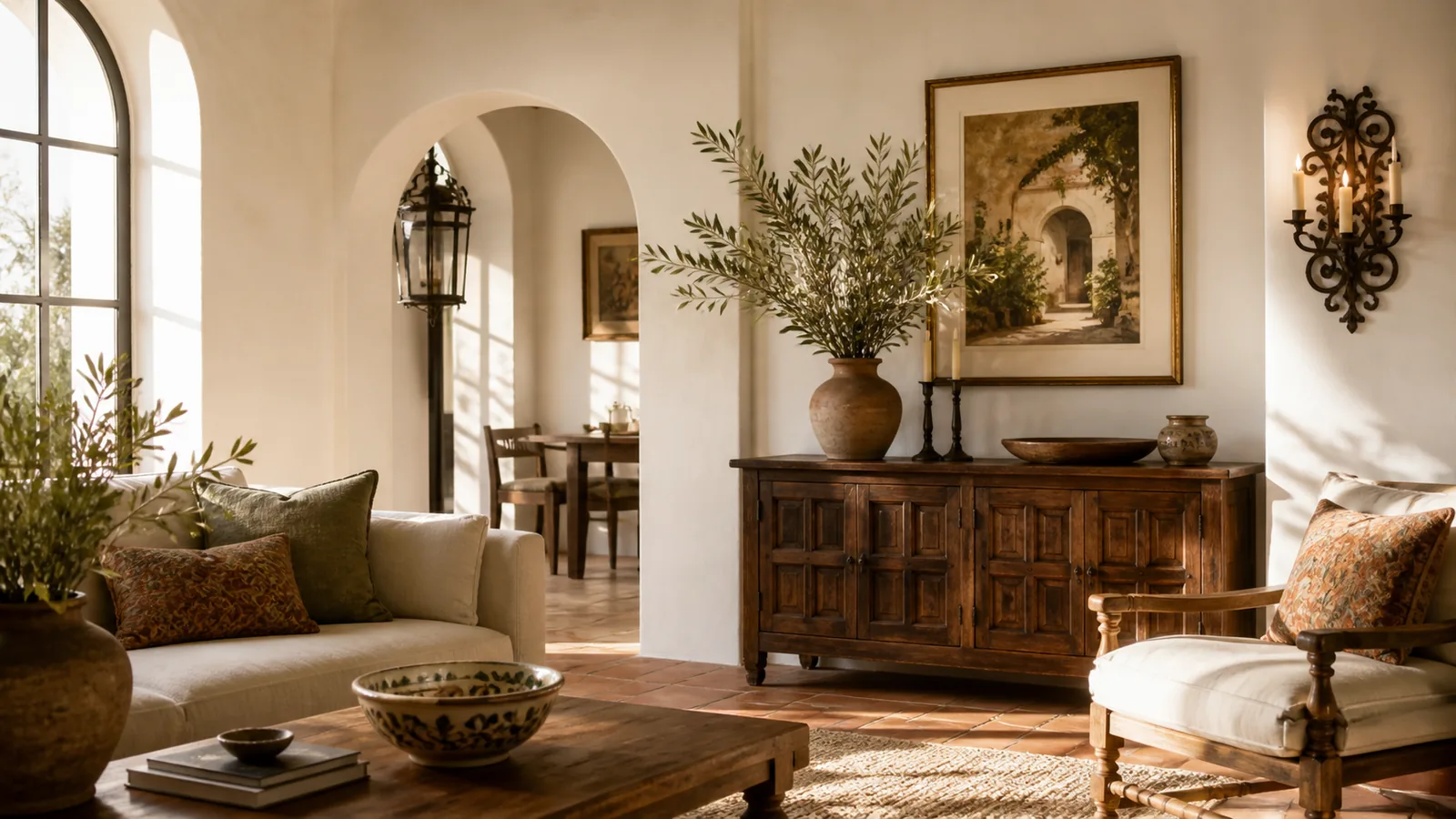
Spanish Style Home Decor With Warmth, Plaster, and Iron
Spanish style home decor feels strongest when it starts with warm materials, softened walls, dark iron, terracotta, and furniture that has weight without clutter.