Style Guide
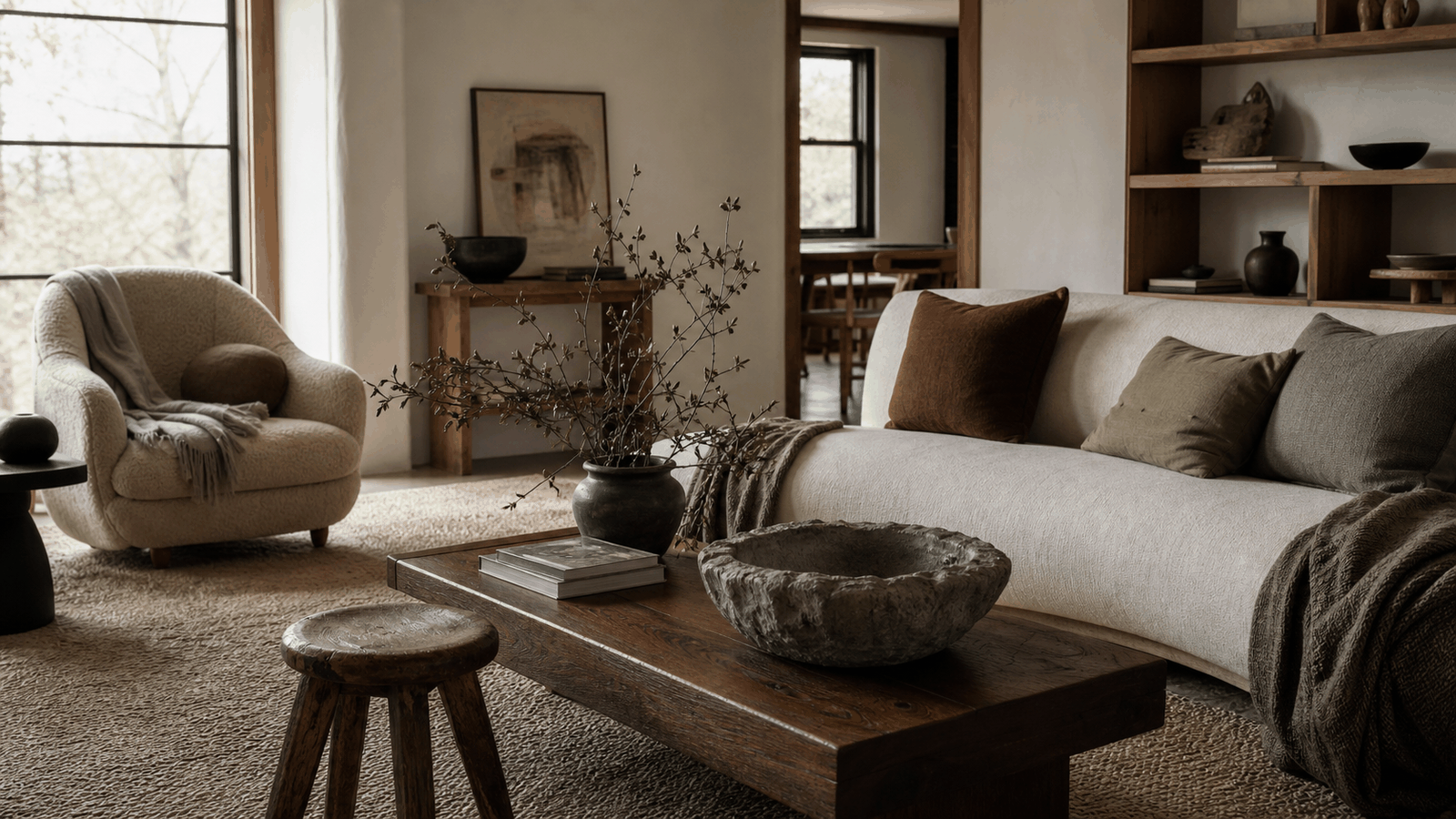
Organic Modern Home Decor Without the Showroom Look
Organic modern style works best when the room keeps its natural texture, useful contrast, and a few imperfect pieces instead of becoming a beige display.
7 min read
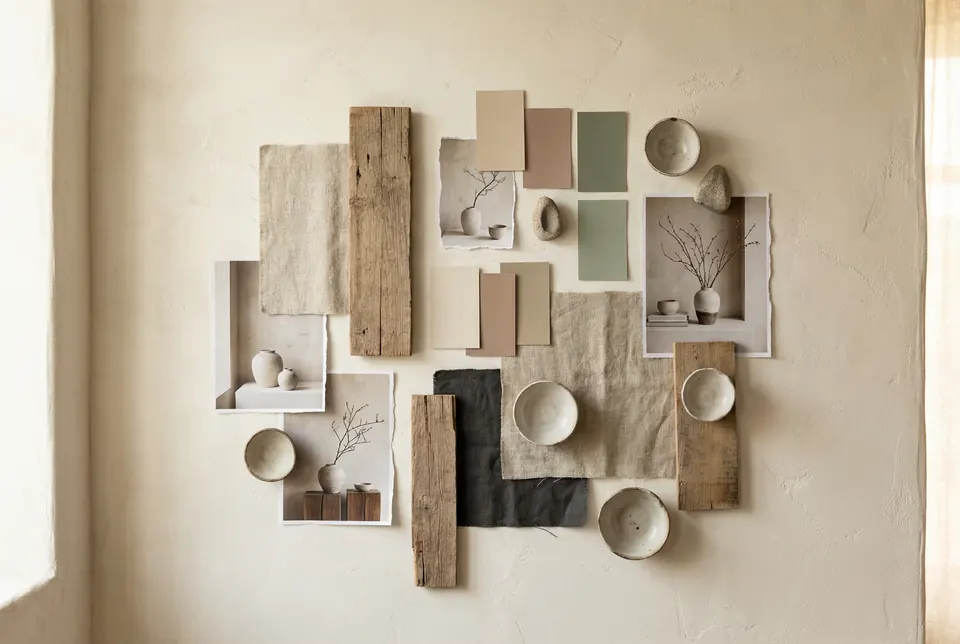
Deep dives into Scandinavian, Japandi, wabi-sabi, and other interior design aesthetics.
Organic modern style works best when the room keeps its natural texture, useful contrast, and a few imperfect pieces instead of becoming a beige display.
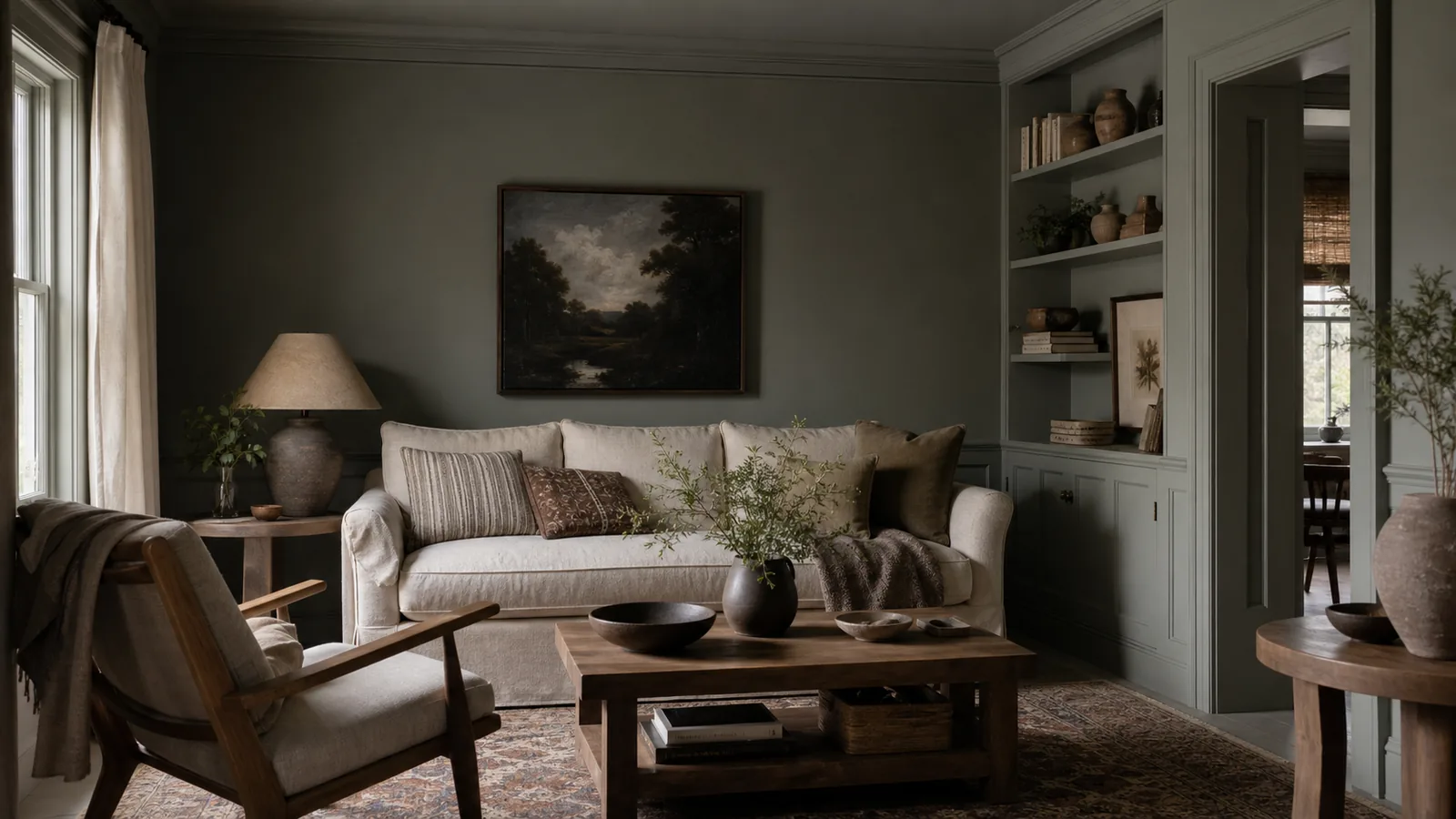
Color drenching works best when it creates depth, not just coverage. The room still needs shadow, texture, contrast, and a few places where the eye can rest.
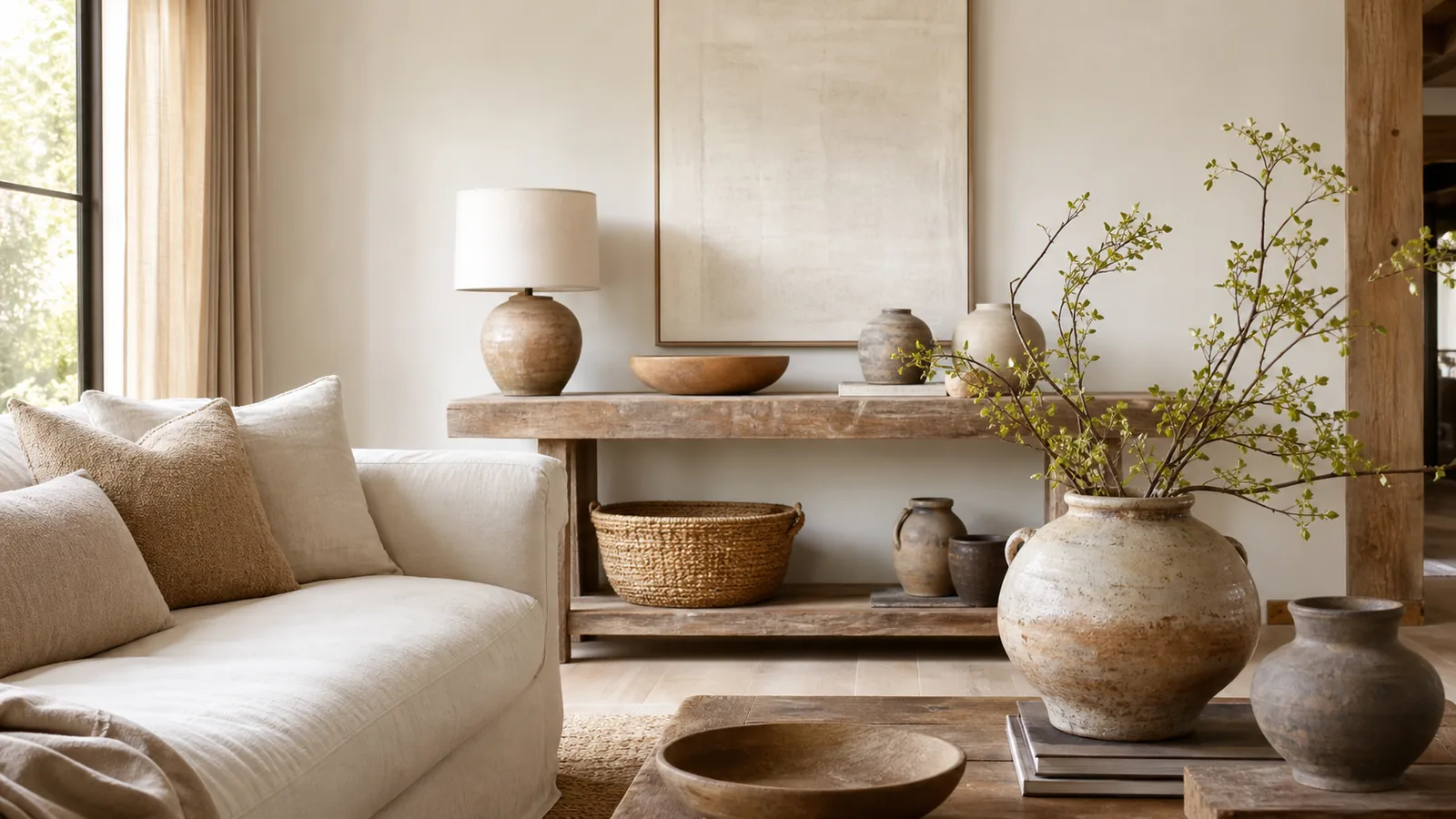
Rustic home decorations work best when they add texture, usefulness, and age without filling every surface or darkening the whole room.
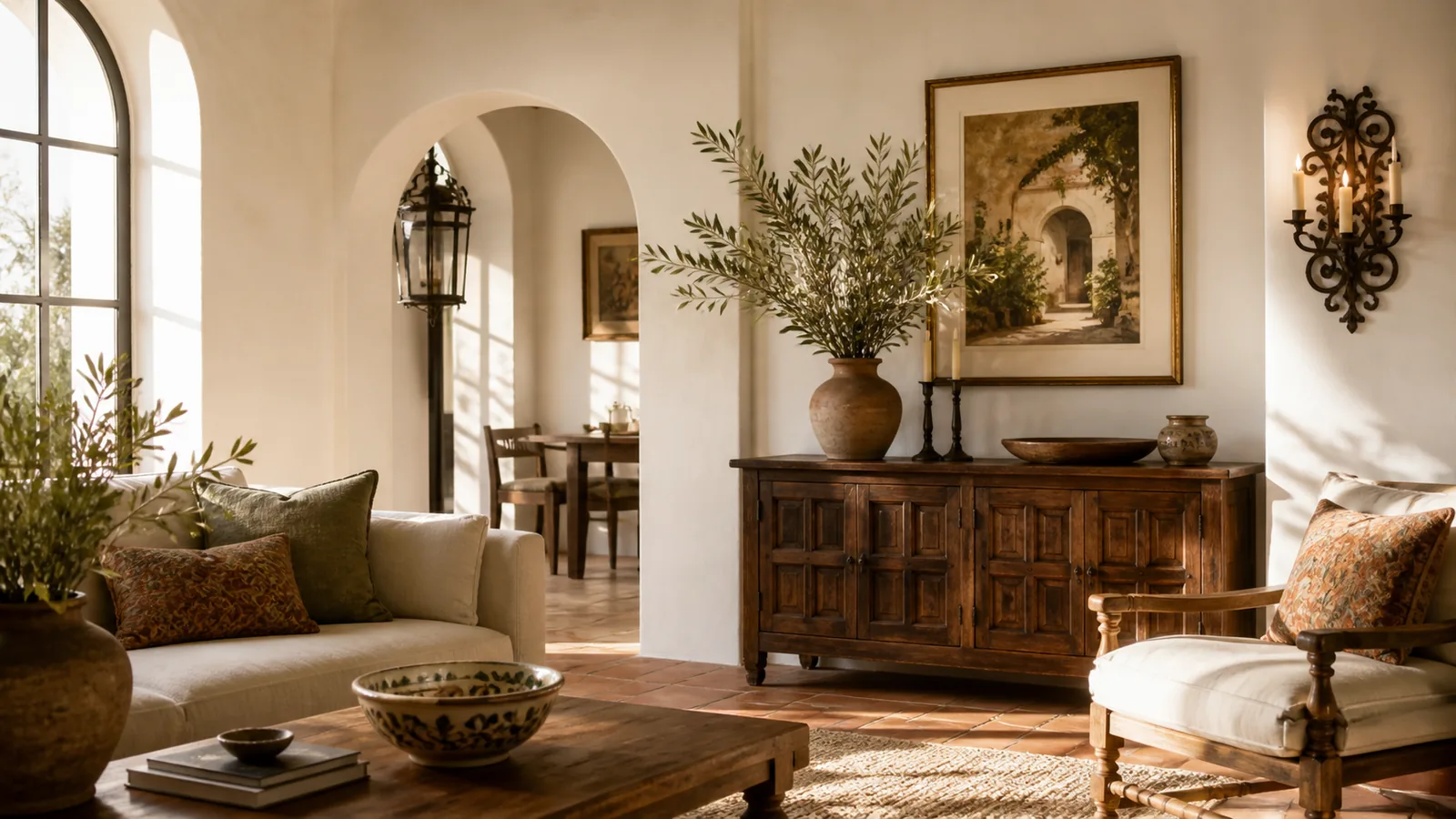
Spanish style home decor feels strongest when it starts with warm materials, softened walls, dark iron, terracotta, and furniture that has weight without clutter.
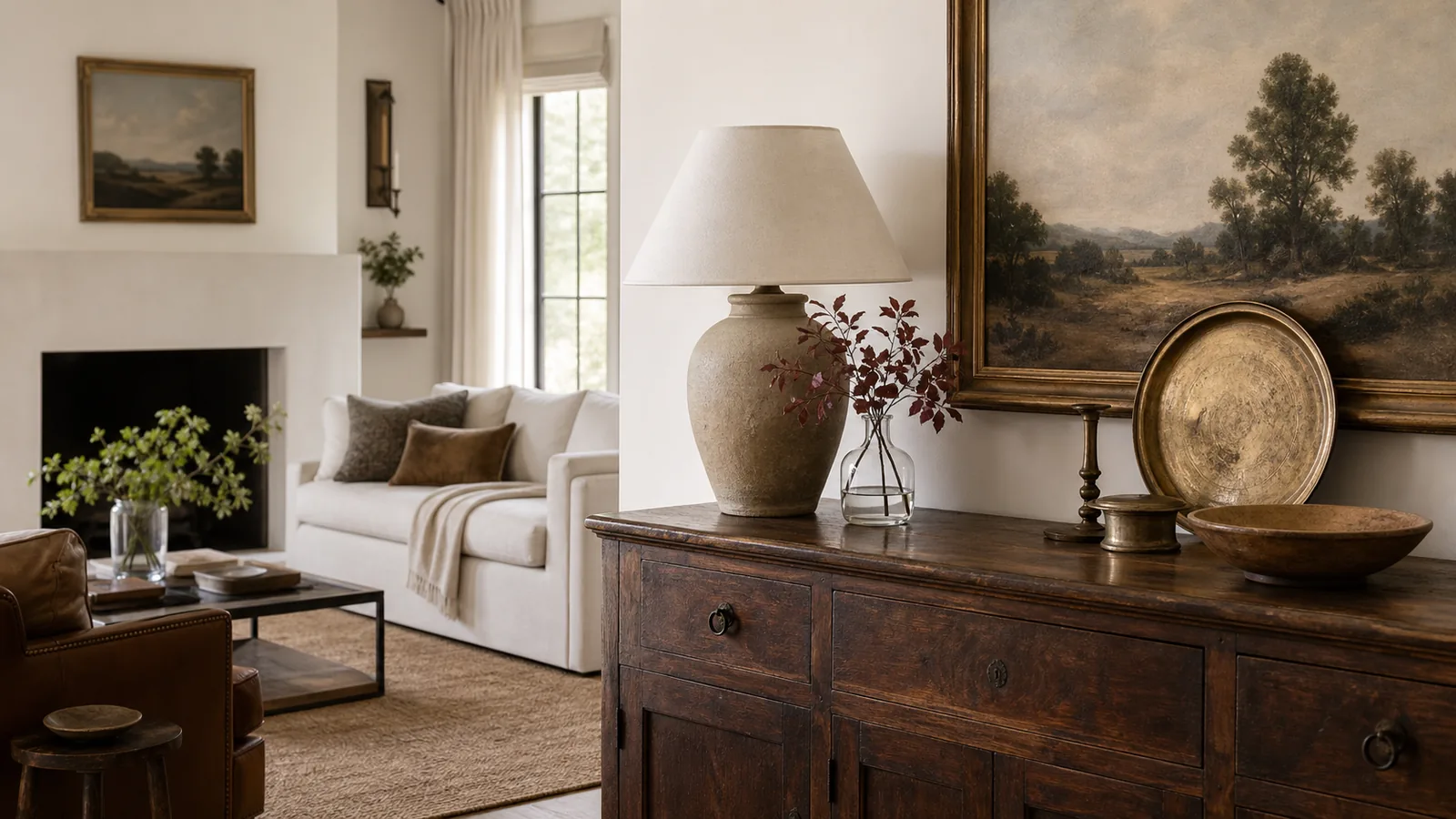
Vintage home decorations add character when they are edited, useful, and connected by color or material instead of scattered across every surface.
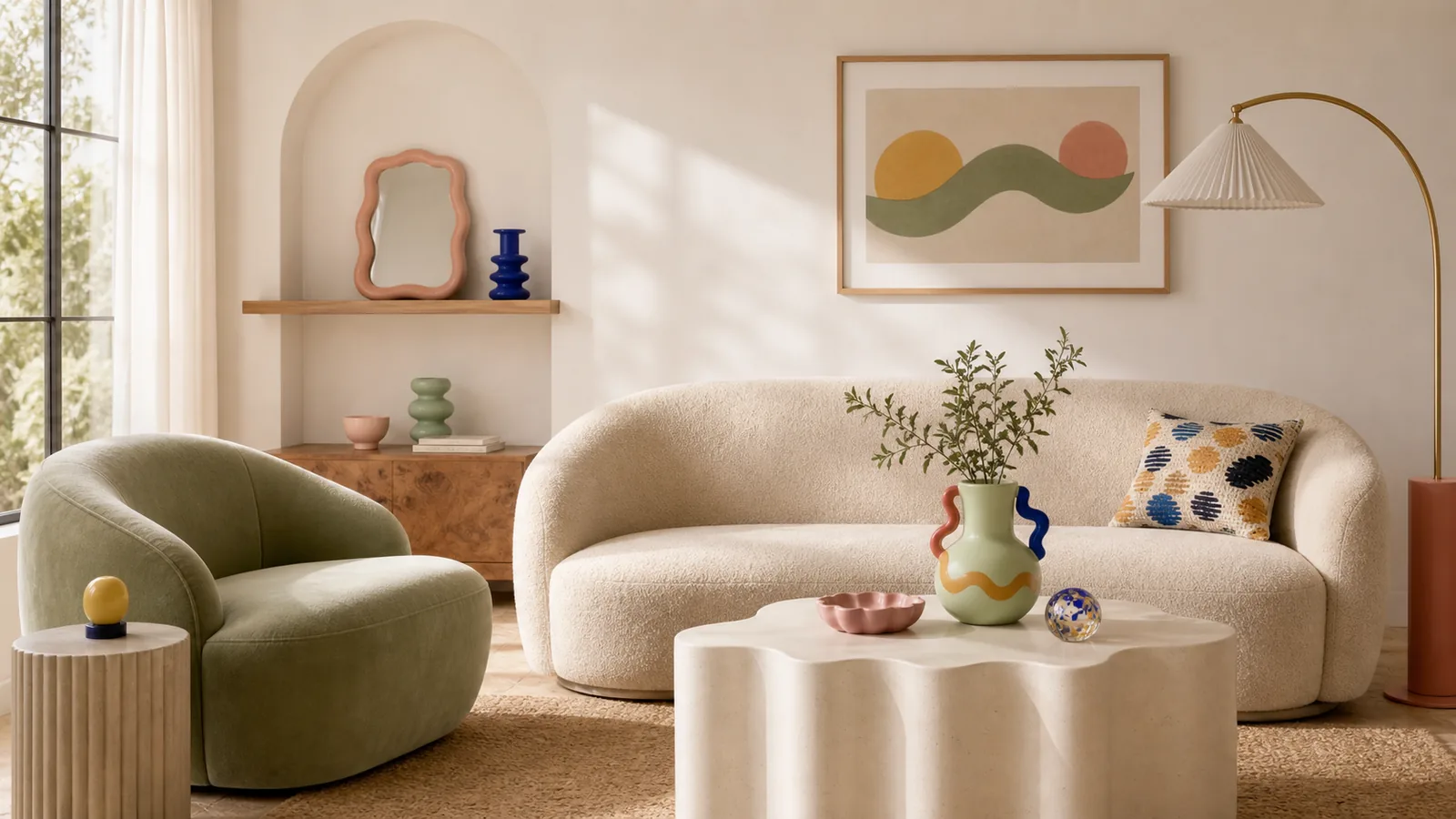
Whimsical home decor can make a room feel personal, playful, and alive when the color, shape, and novelty are edited instead of scattered.
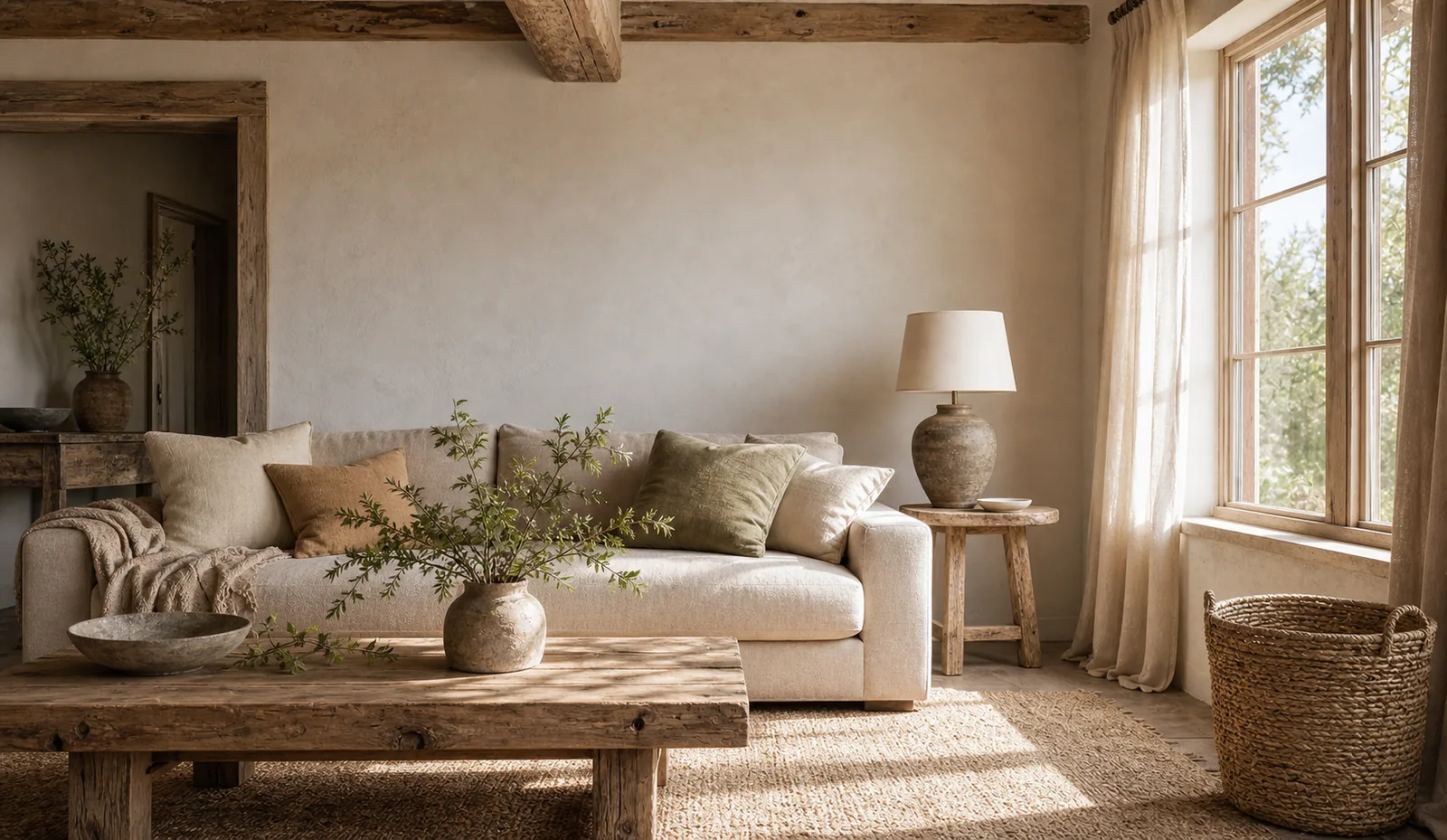
Rustic home decor can feel warm and grounded without becoming dark, bulky, or overly themed. The trick is balancing rough texture with lightness.
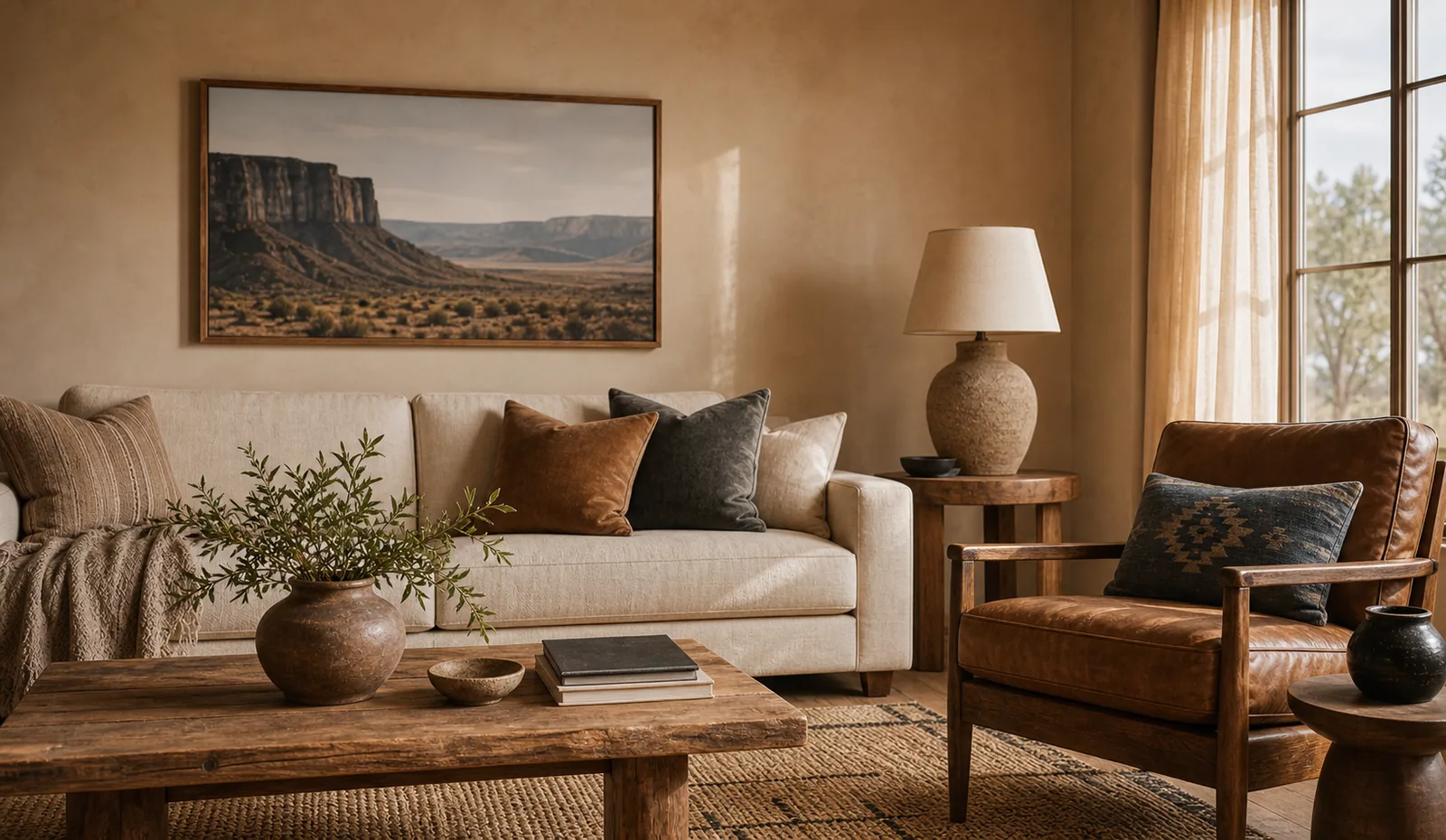
Western home decor is strongest when it borrows warmth, leather, woven texture, and landscape colors instead of turning the room into a set.
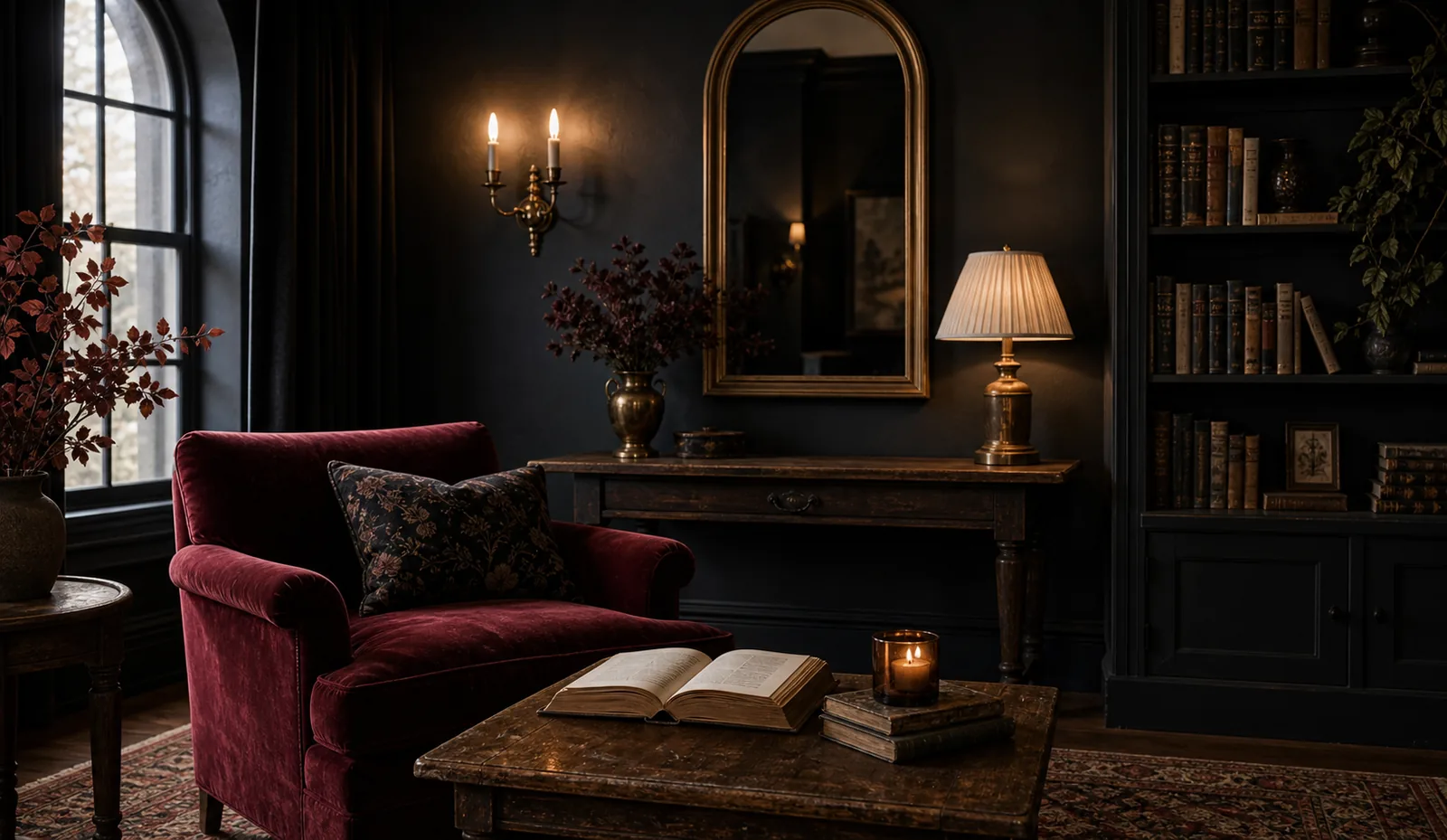
Gothic home decor can be dramatic without becoming gloomy when deep color, old-world shapes, and warm light are balanced carefully.
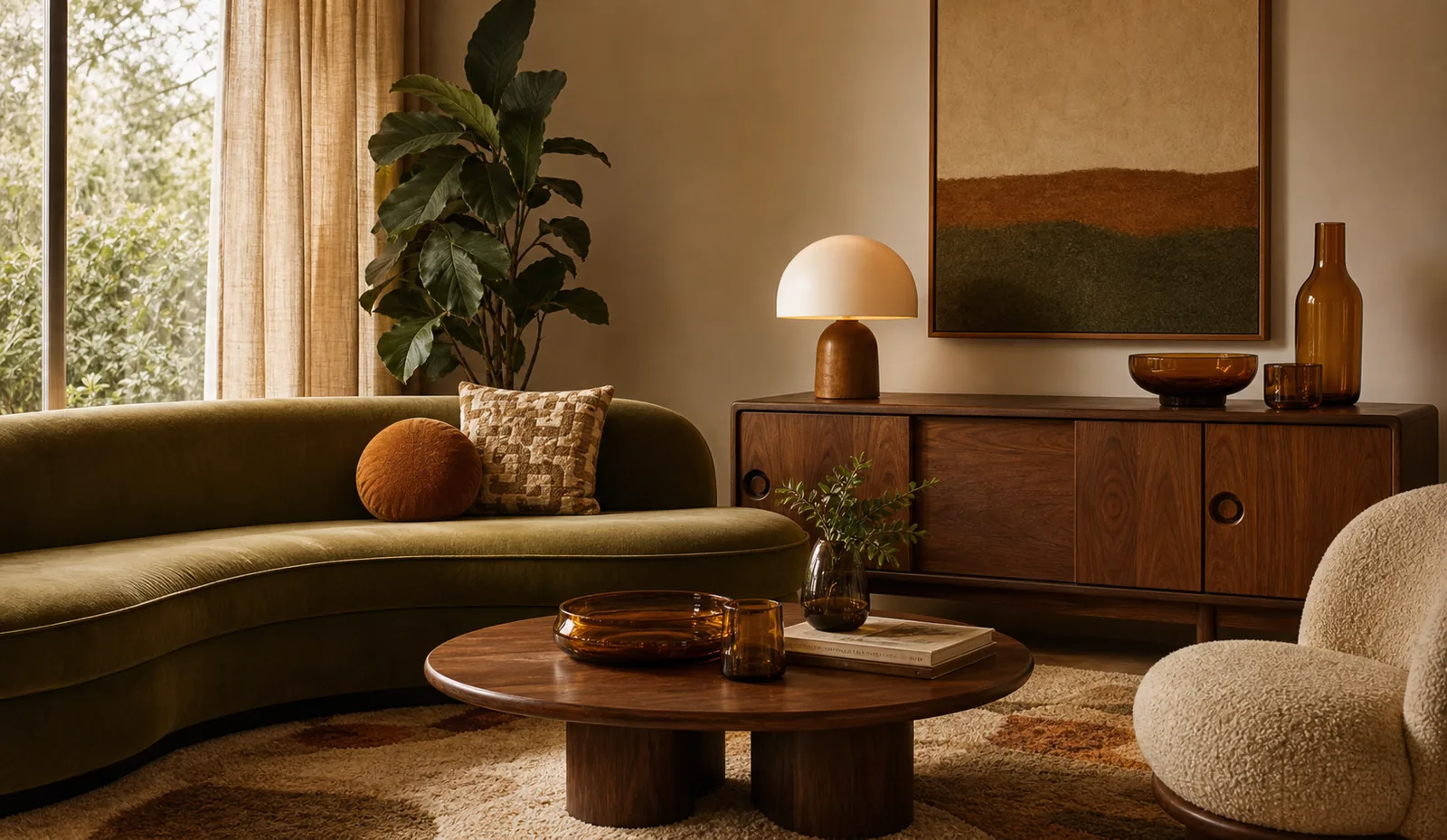
70s home decor can bring warmth, color, and nostalgia without becoming a costume if you keep the shapes simple and the palette grounded.
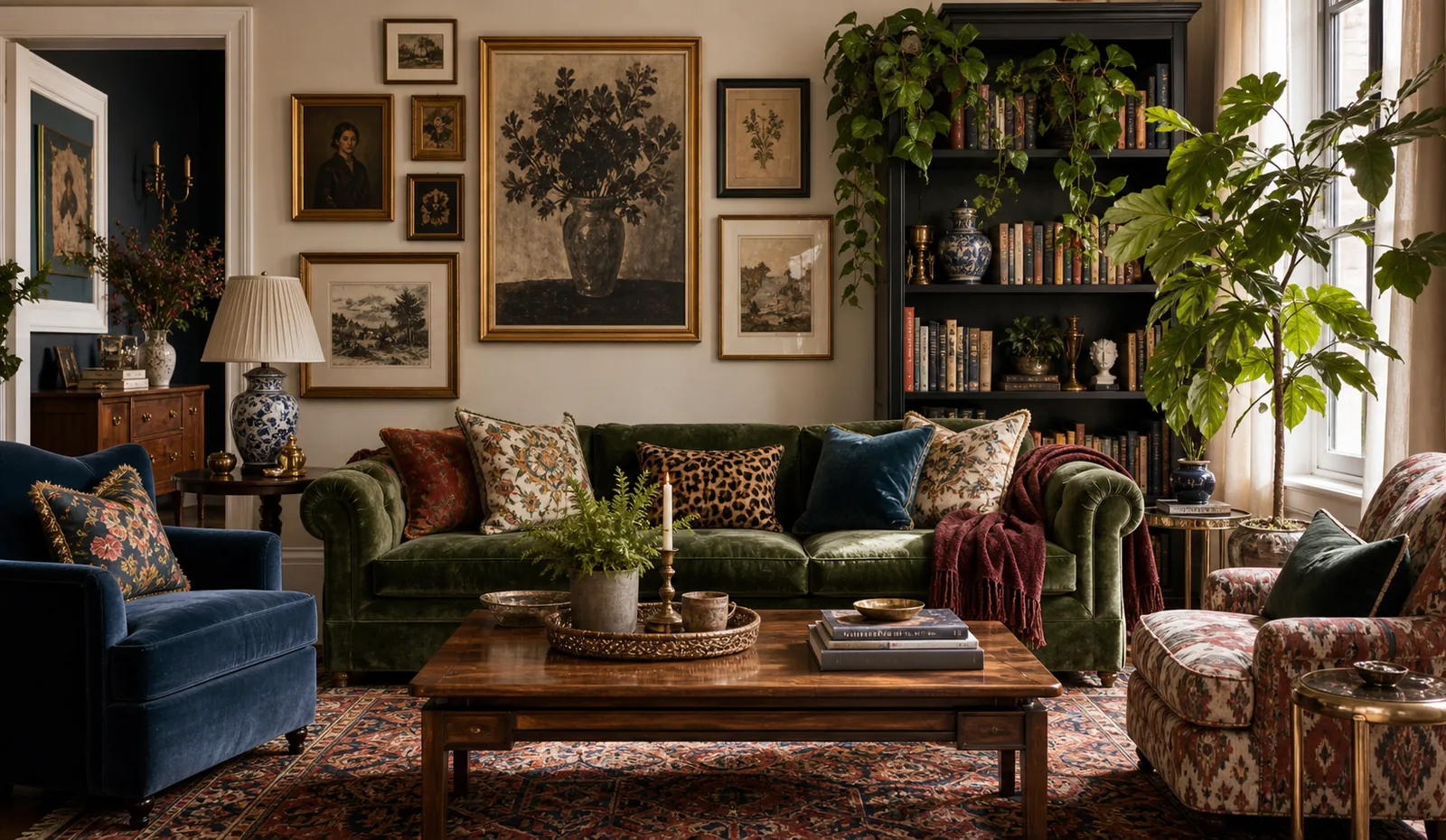
Maximalist home decor works best when it builds rhythm, repeats a few colors, and gives the eye places to rest.
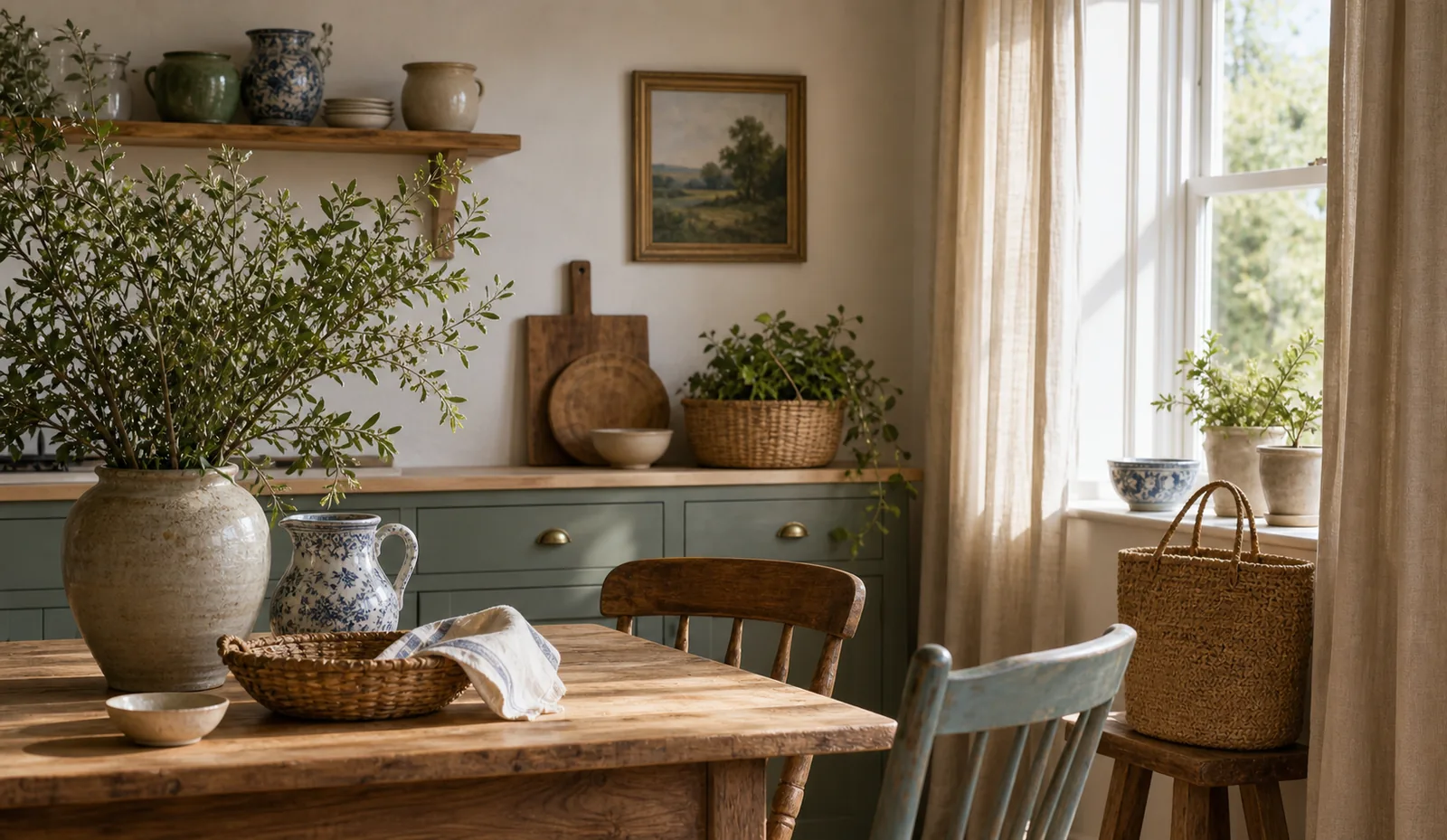
Country home decor can feel soft, practical, and welcoming without leaning on overused farmhouse signals or themed accents.
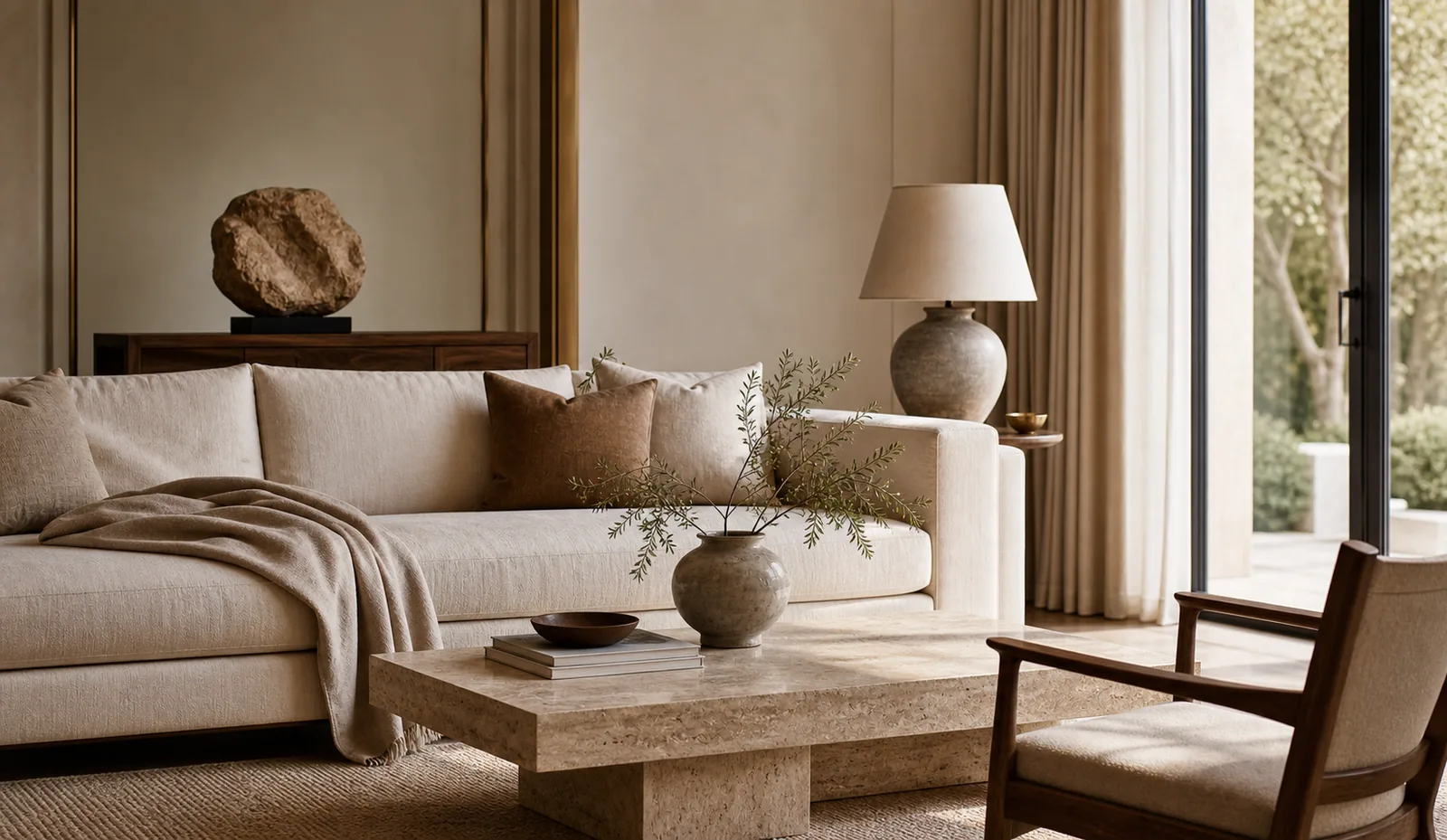
Luxurious home decor has less to do with quantity and more to do with texture, weight, finish, and how the room handles light.
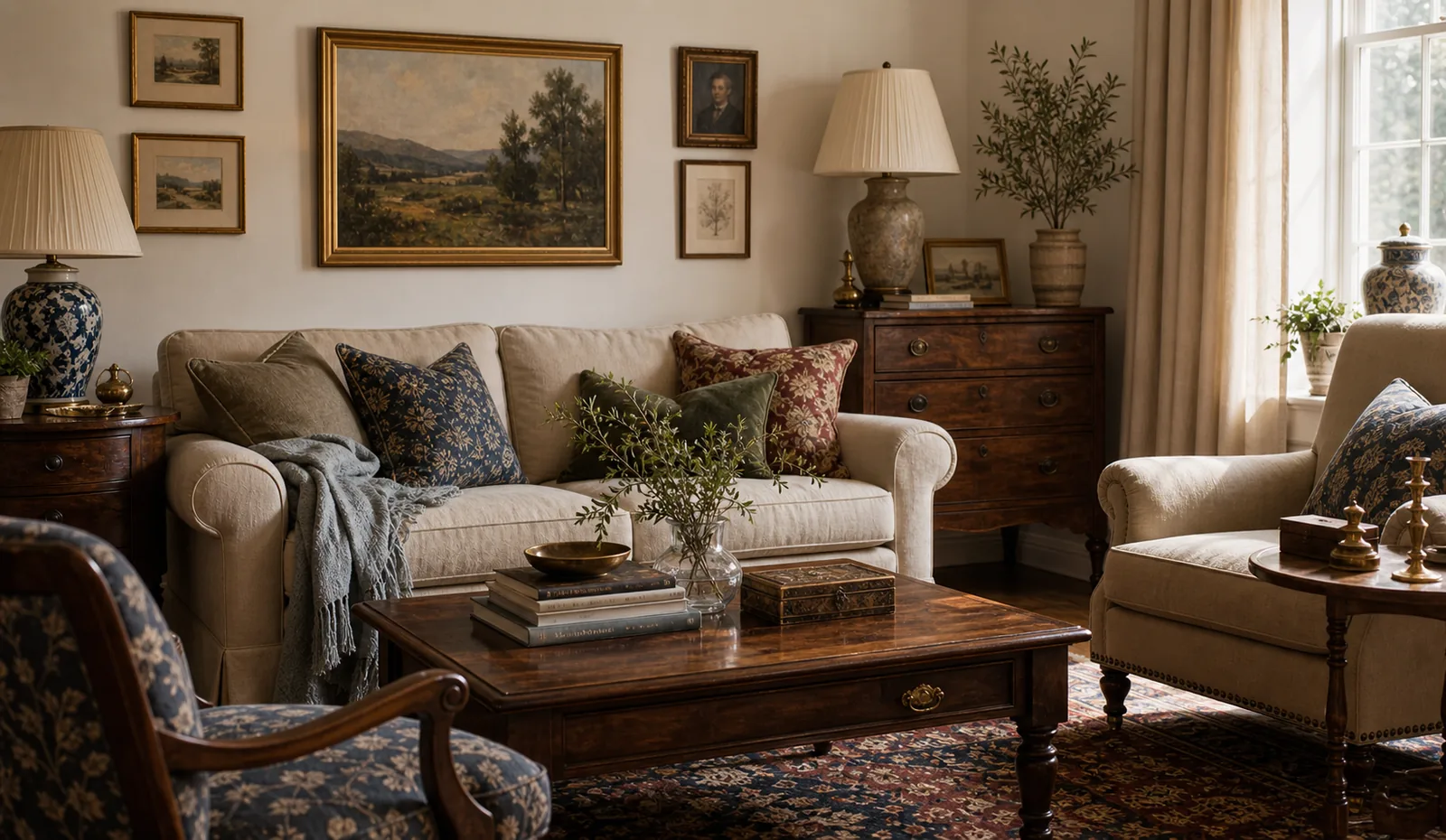
Traditional home decor feels best when it mixes formality with lived-in comfort, giving the room history without making it rigid.
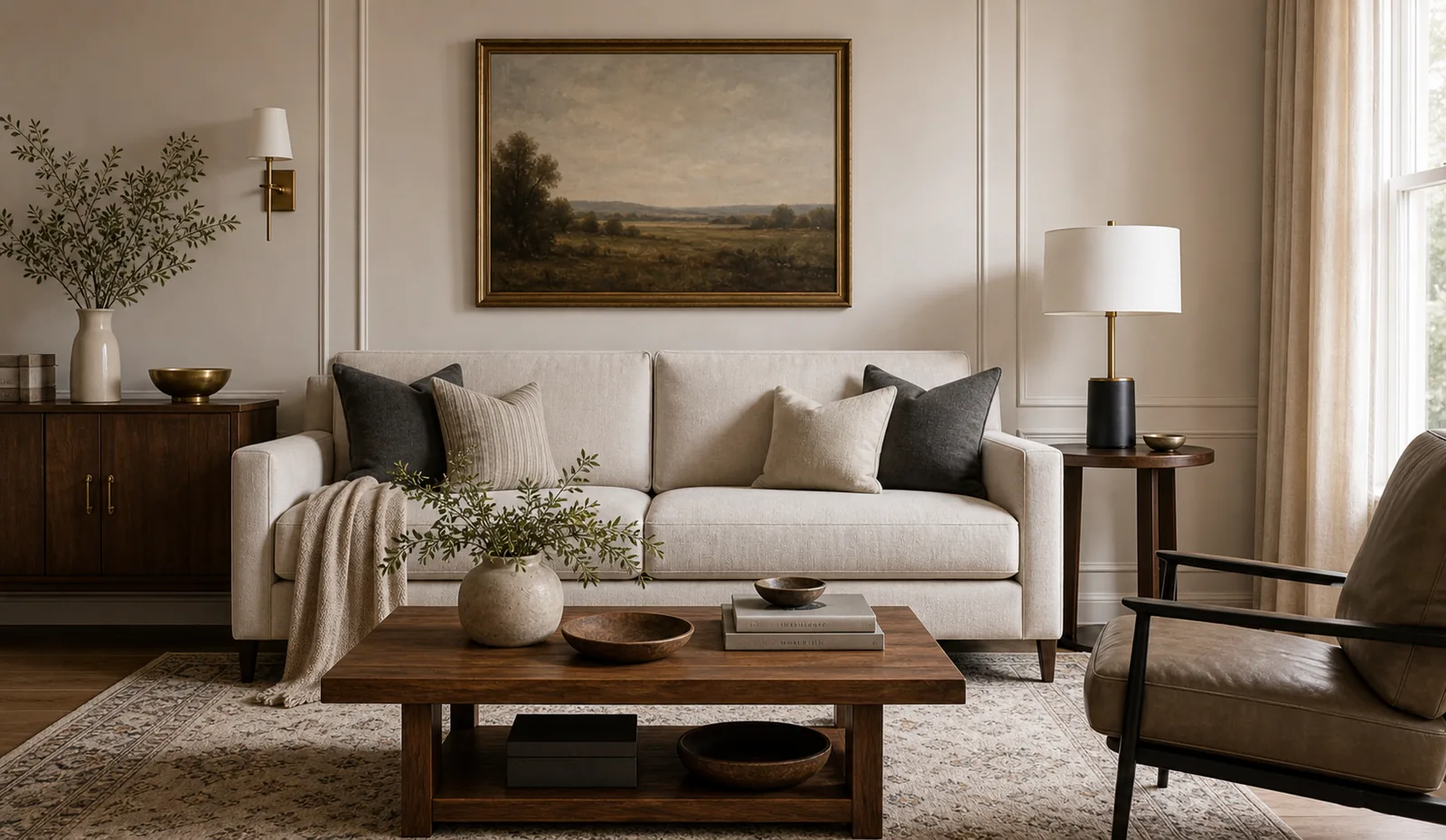
Transitional home decor is the art of letting classic structure and modern simplicity coexist without arguing in the same room.
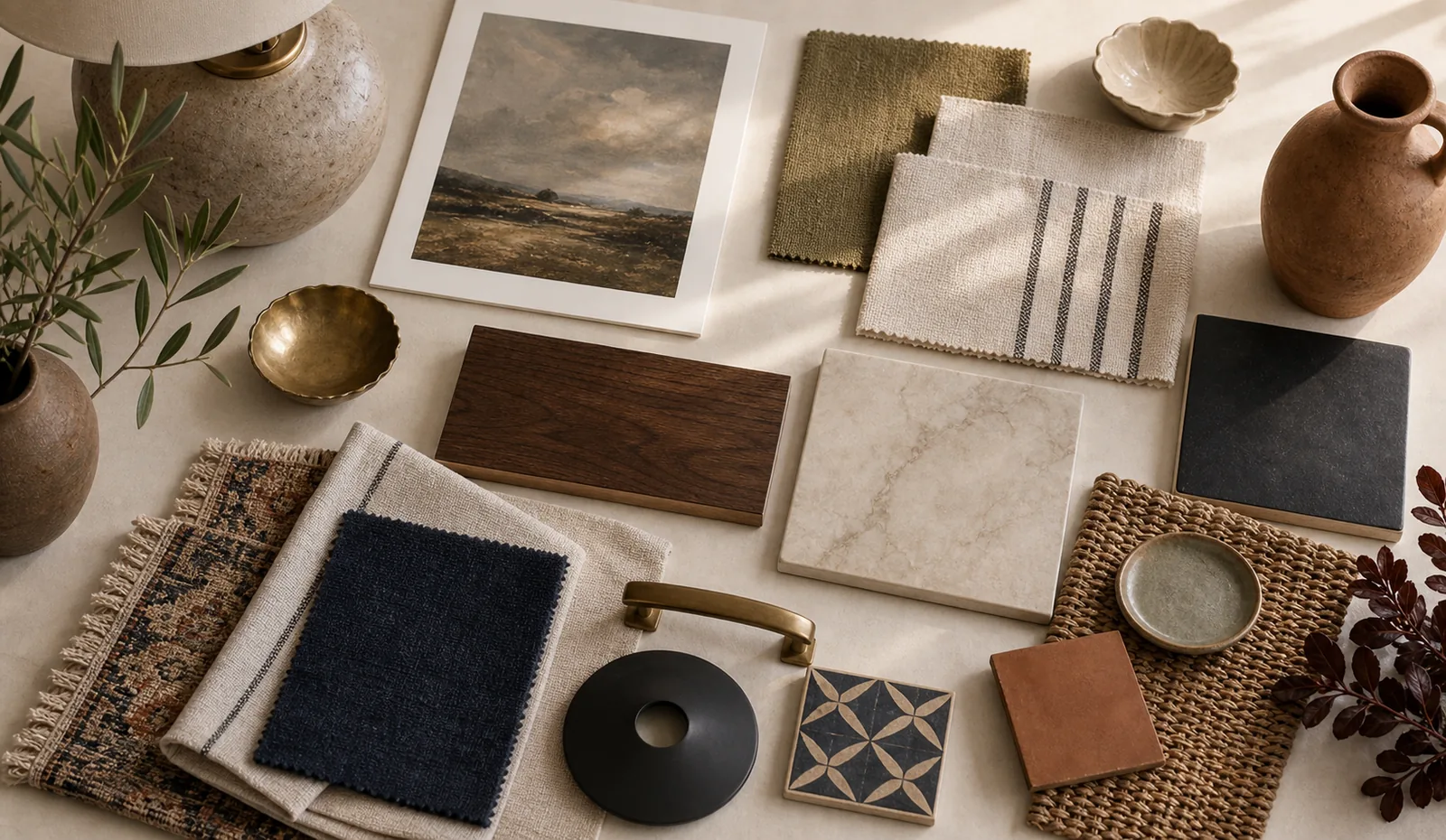
If you like several styles at once, a simple home decor style quiz can help you notice what you consistently reach for.
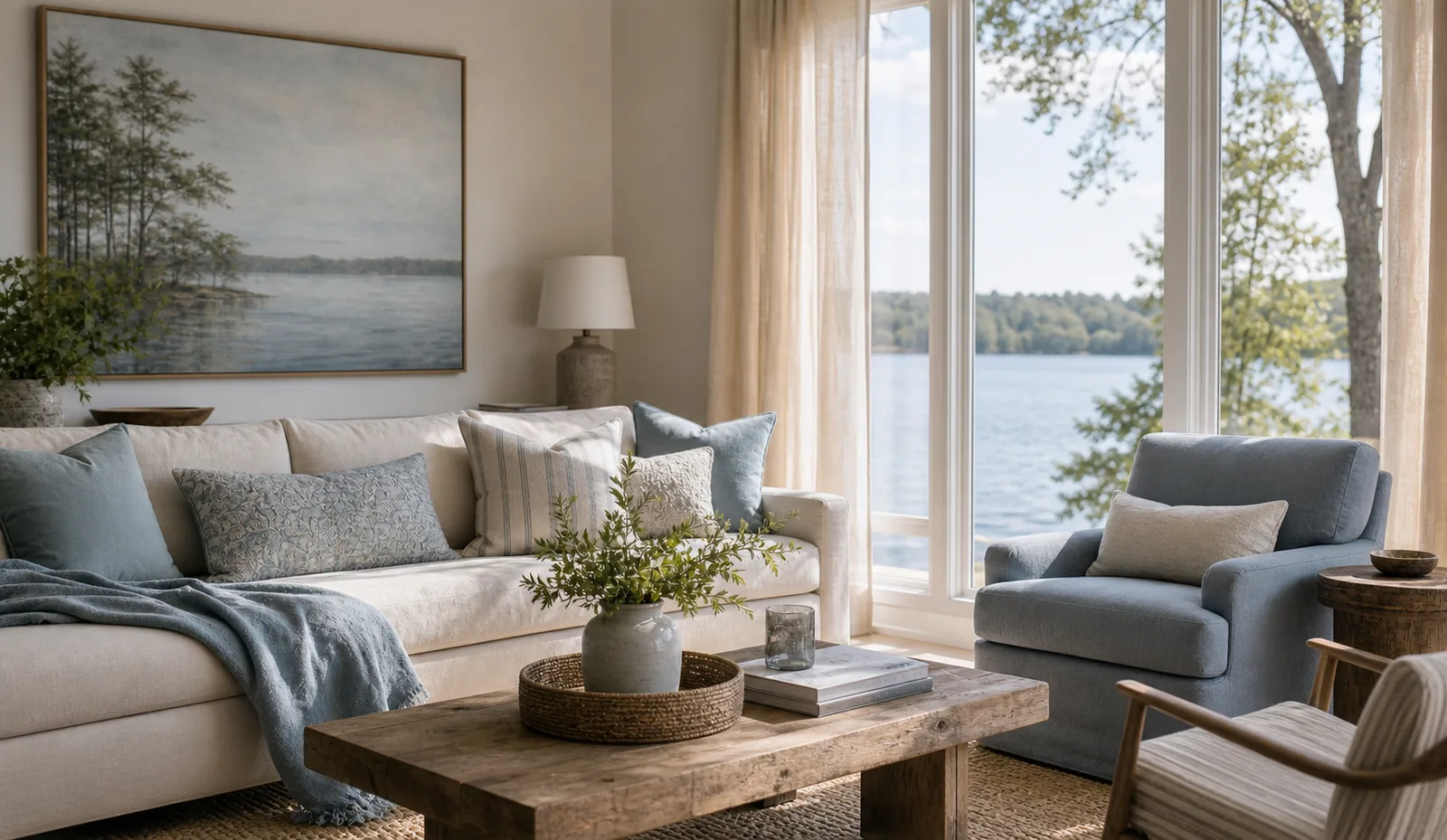
Lake home decor works beautifully when it stays calm, natural, and slightly weathered without turning into a seaside theme.
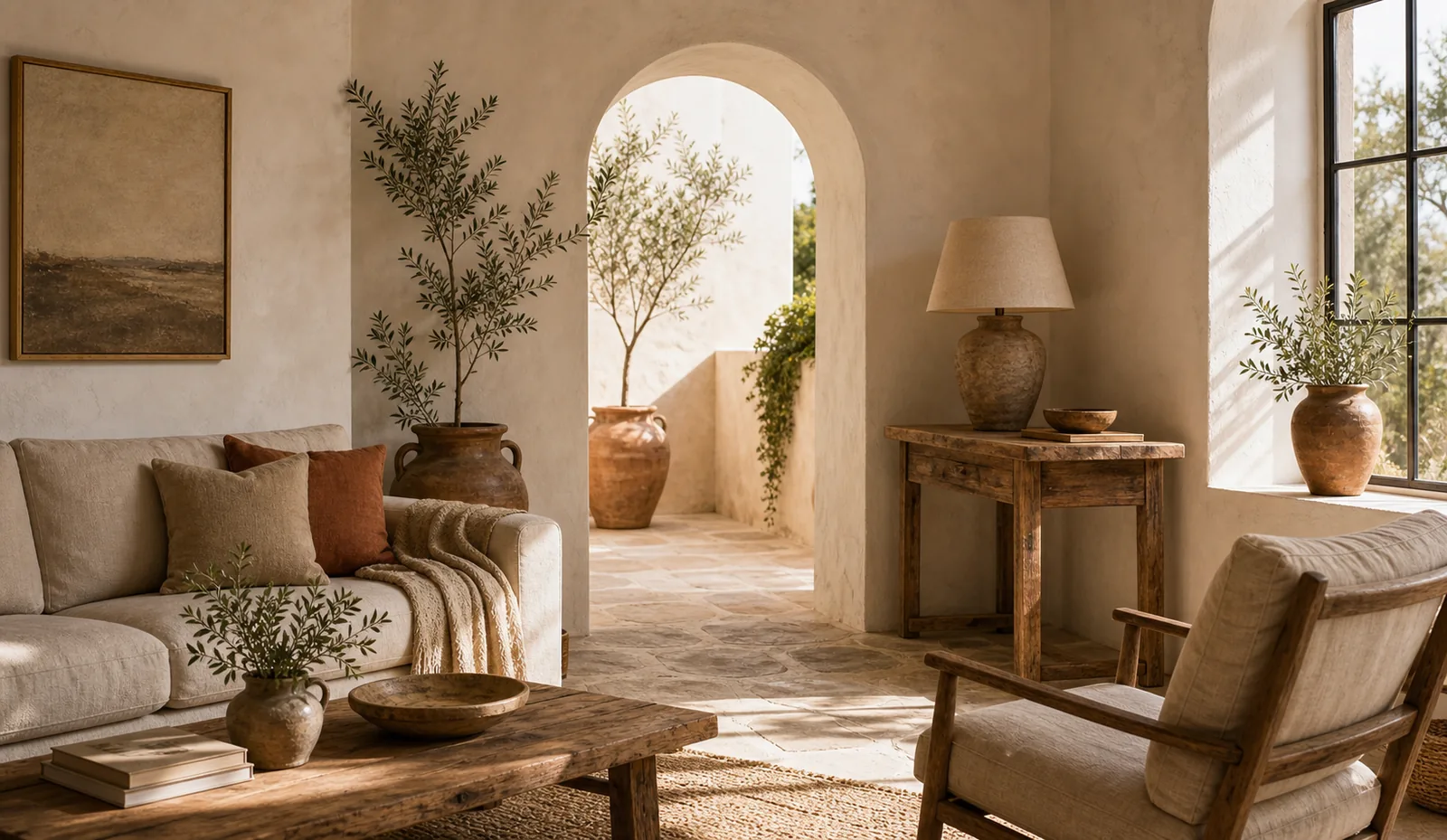
Mediterranean home decor is at its best when it focuses on warmth, plaster-like softness, natural texture, and generous light.
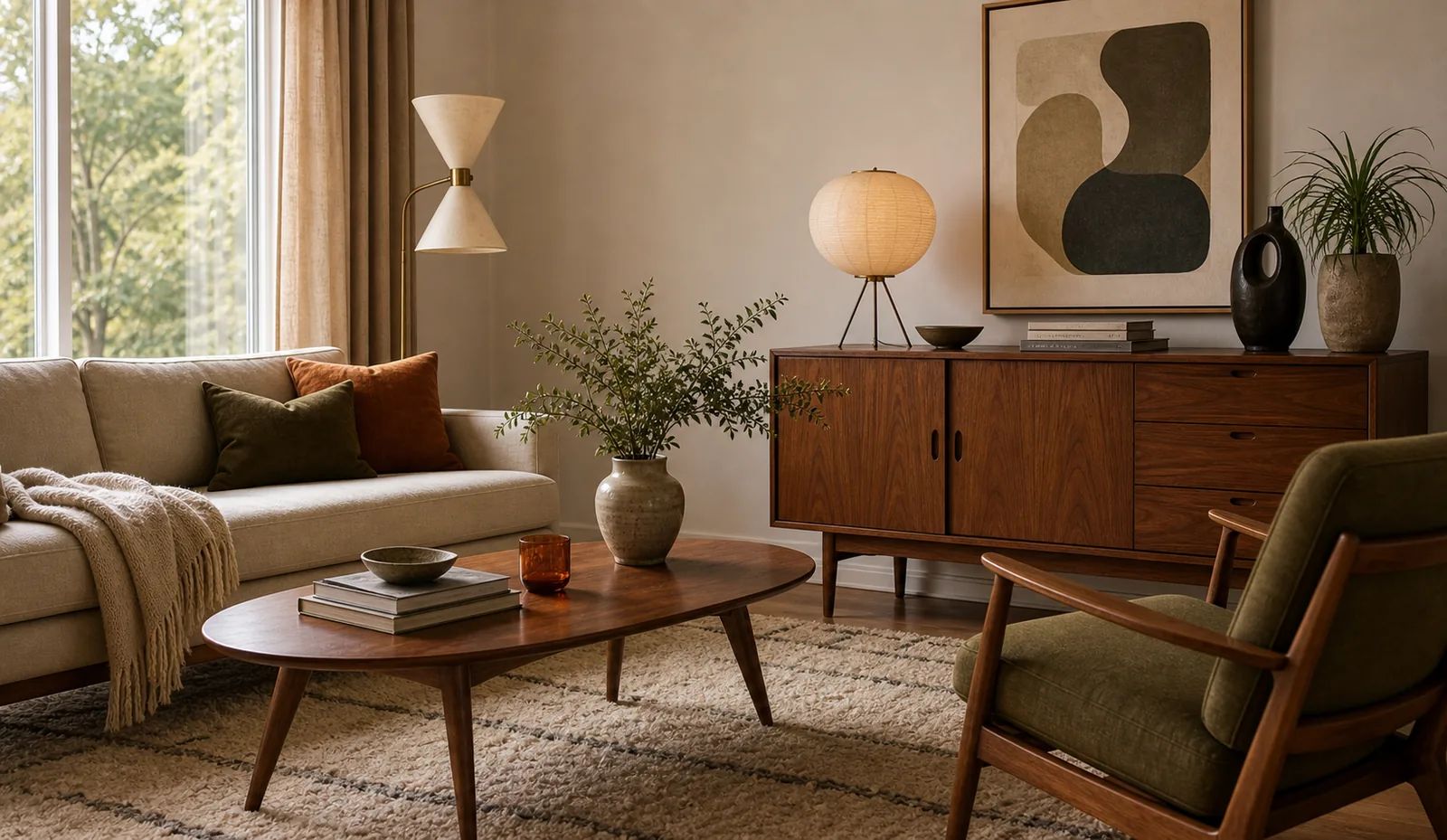
Mid century modern home decor works best when it stays lived in, useful, and balanced instead of becoming a room full of perfect replicas.
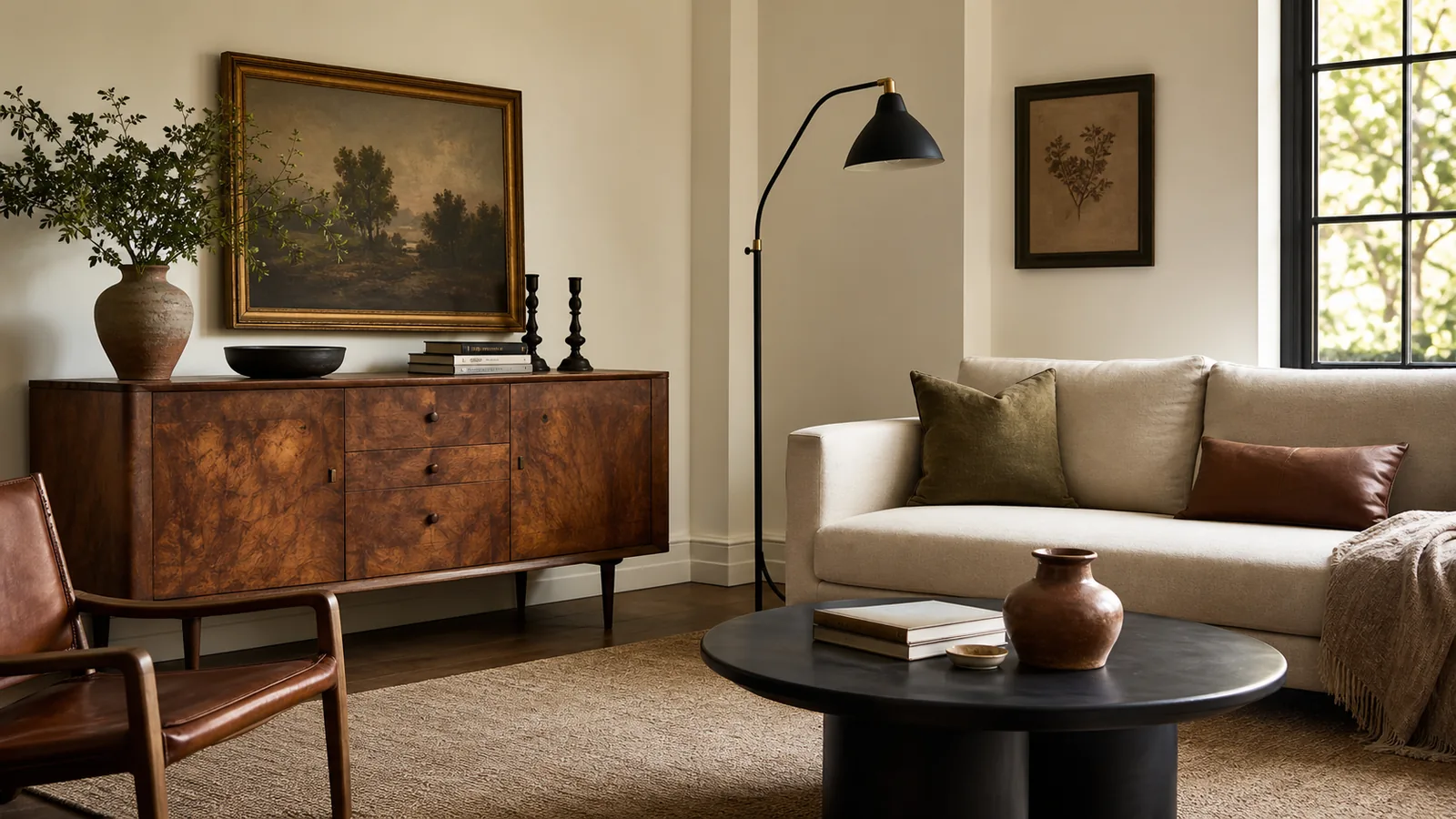
Mixing old and new furniture works best when the contrast feels collected, not staged. Here is the simple balance that keeps a room from turning into a theme.
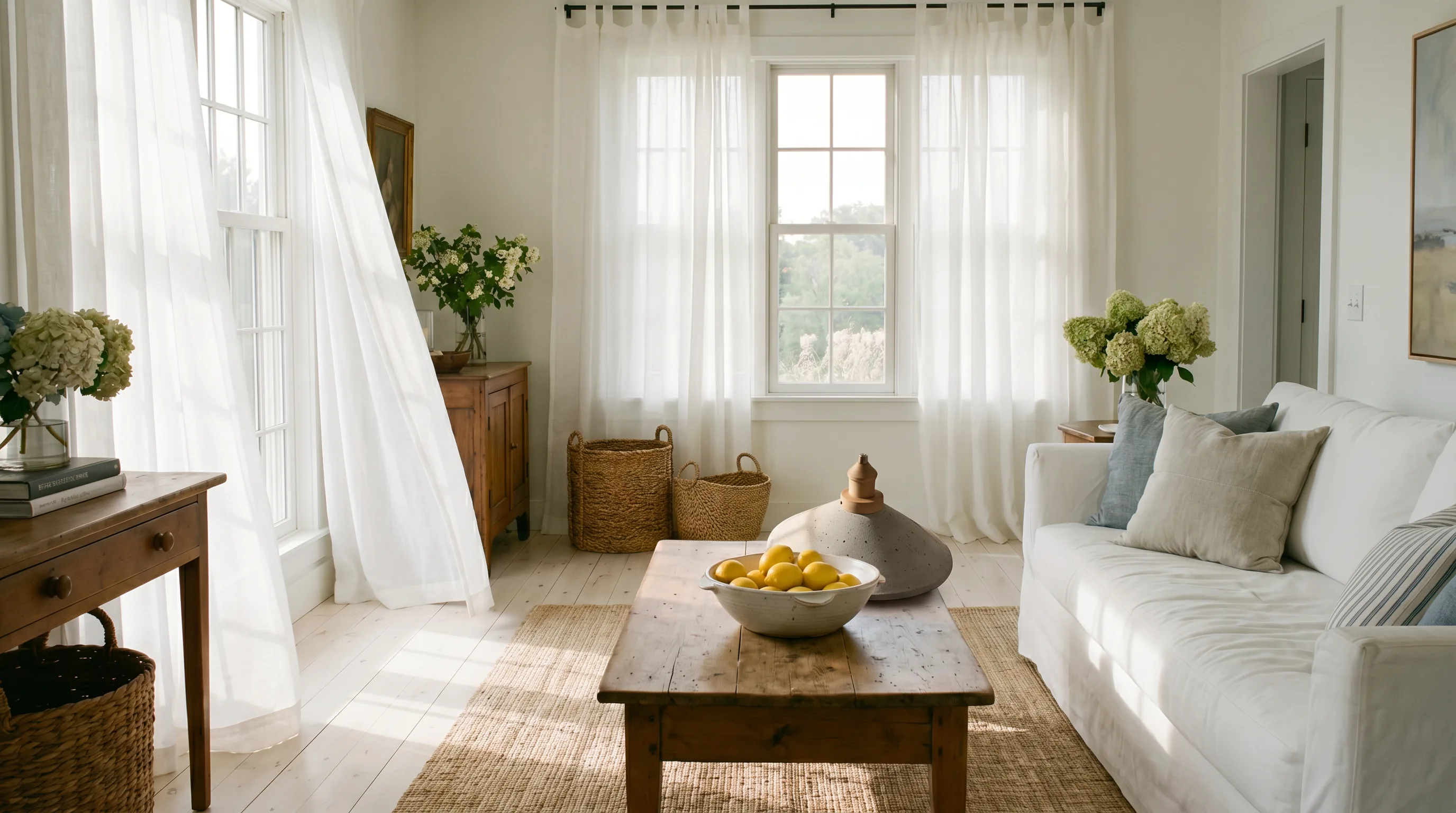
A perfectly matched traditional room feels like a museum exhibit. Here is why introducing one jarring element is the secret to making classic interiors actually livable.
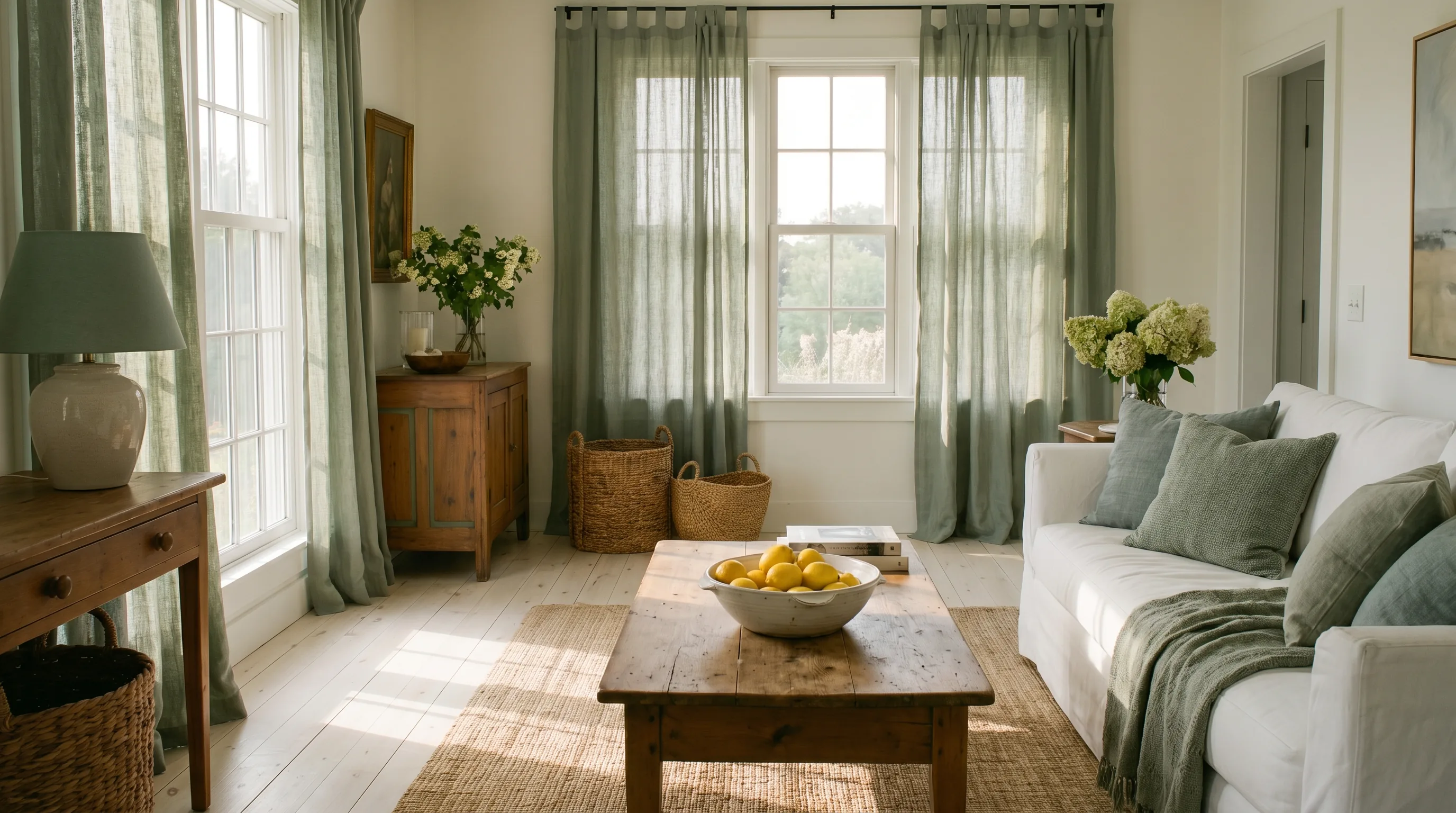
Dusty green is more than a trendy wall color. By treating this muted hue as a material and an atmosphere, you can ground your space without it feeling like a showroom.
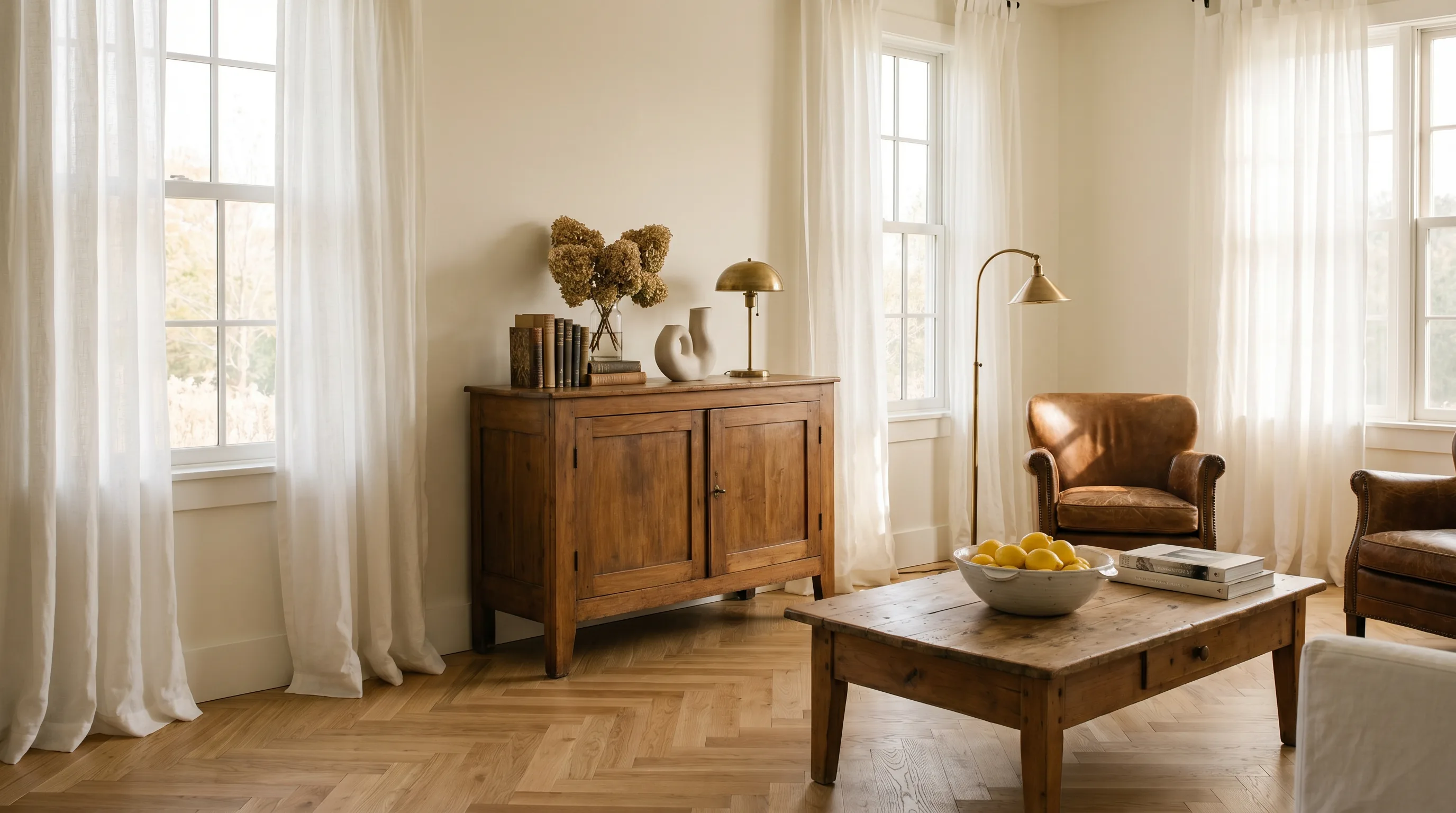
The secret to authentic Parisian interiors isn't buying expensive antiques—it's embracing patina, asymmetry, and the beautiful friction between old architecture and modern life.
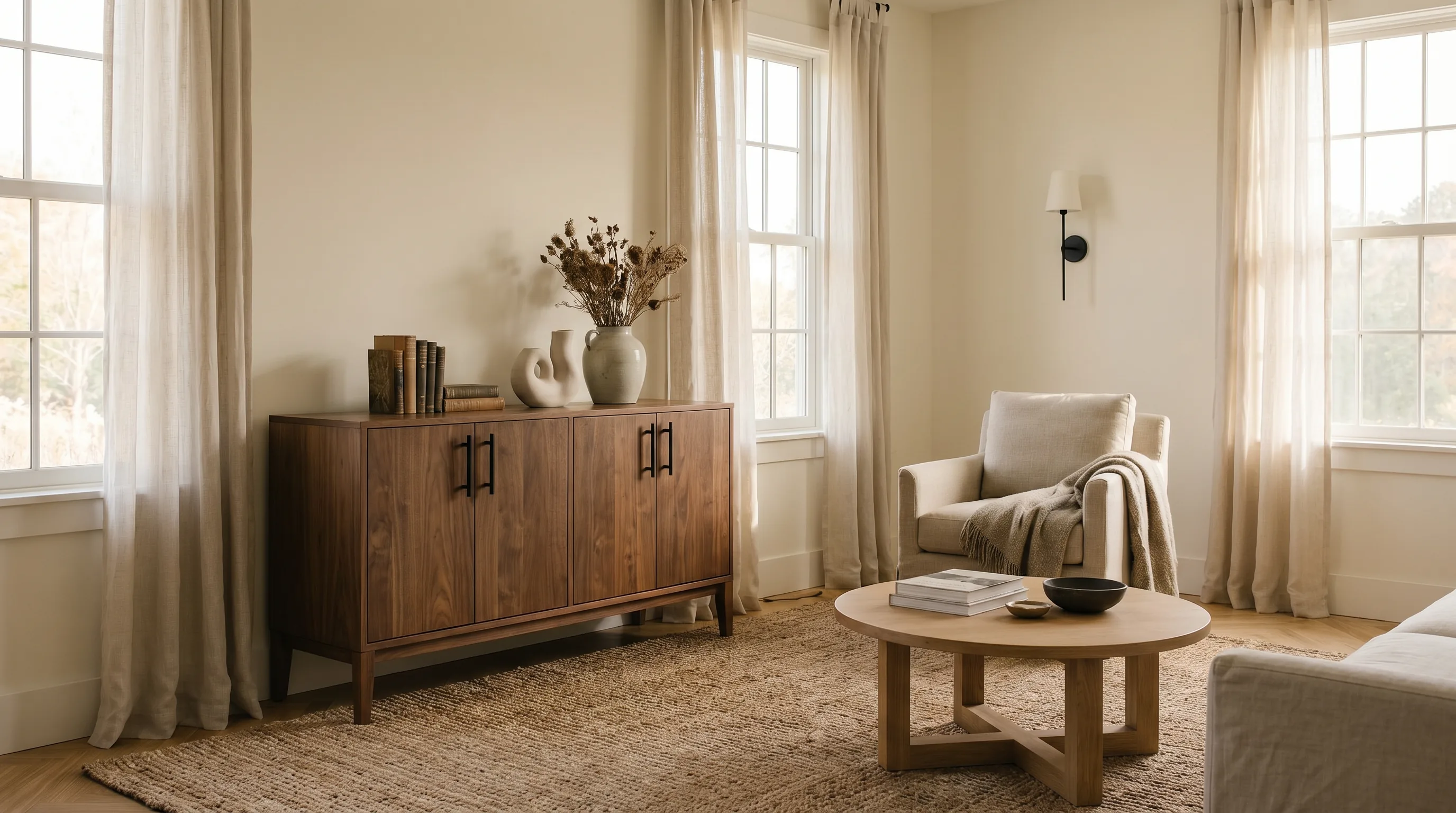
Pairing matte black accents with warm wood tones creates a grounded, inviting space, offering a richer alternative to the sterile feel of cool gray palettes.
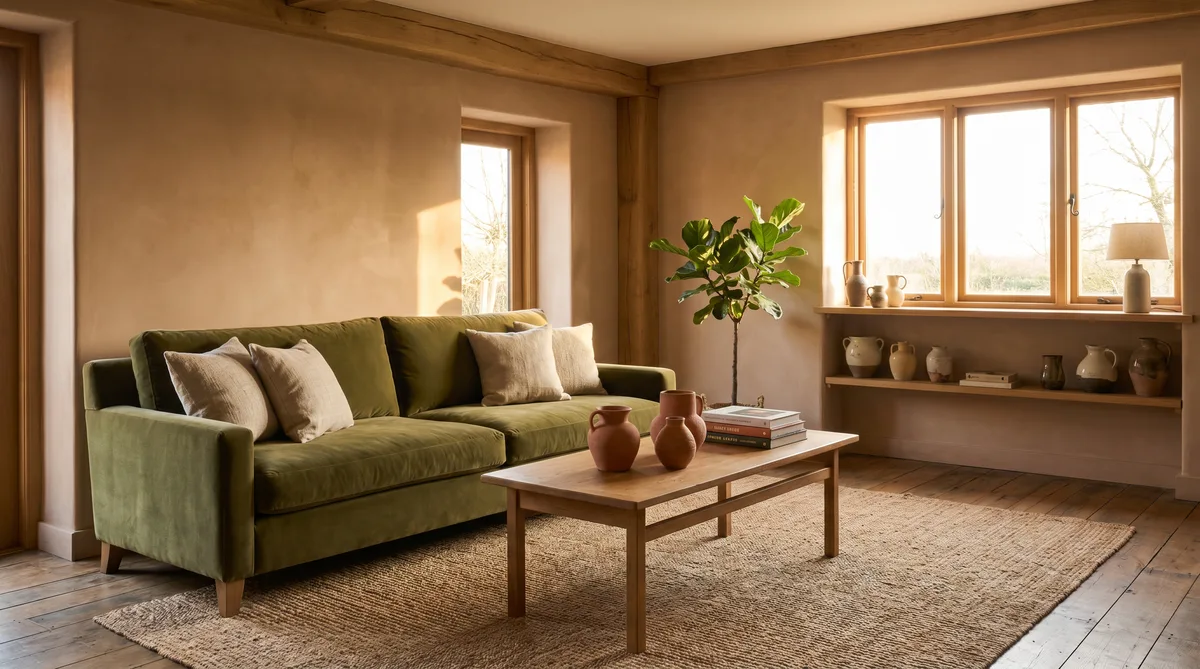
Earth tones are trending, but a room full of beige and brown can quickly feel muddy. Here is how to use terracotta, olive, and clay to build a vibrant natural palette.
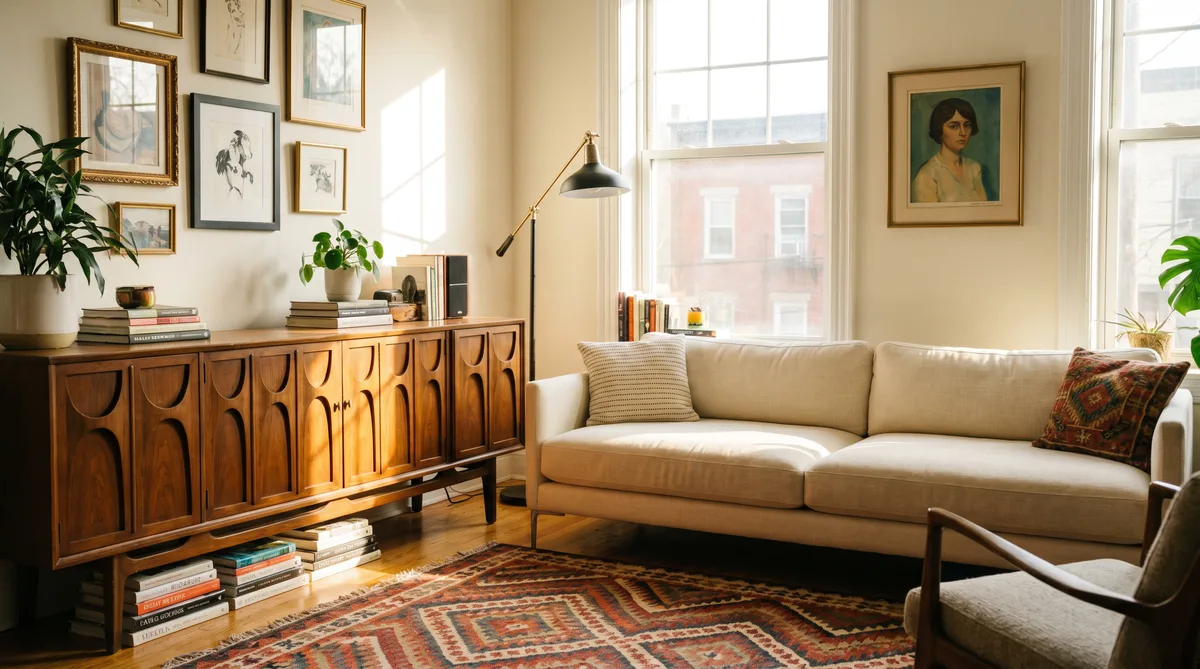
Combining eras gives a room soul, but it is easy to accidentally create a mid-century museum. Here are the rules for balancing the old with the new.
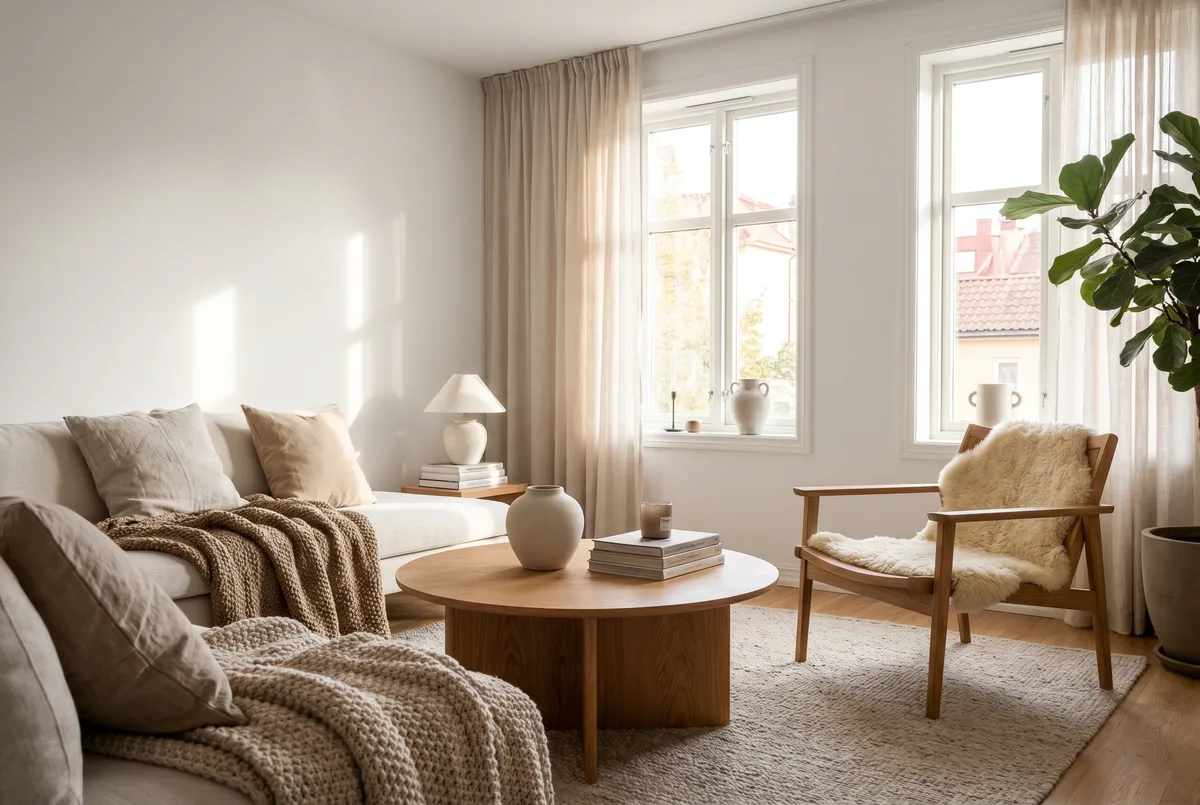
Minimalism does not have to mean sterile. Here is how to achieve the clean lines of Scandinavian design while maintaining a warm, inviting atmosphere.
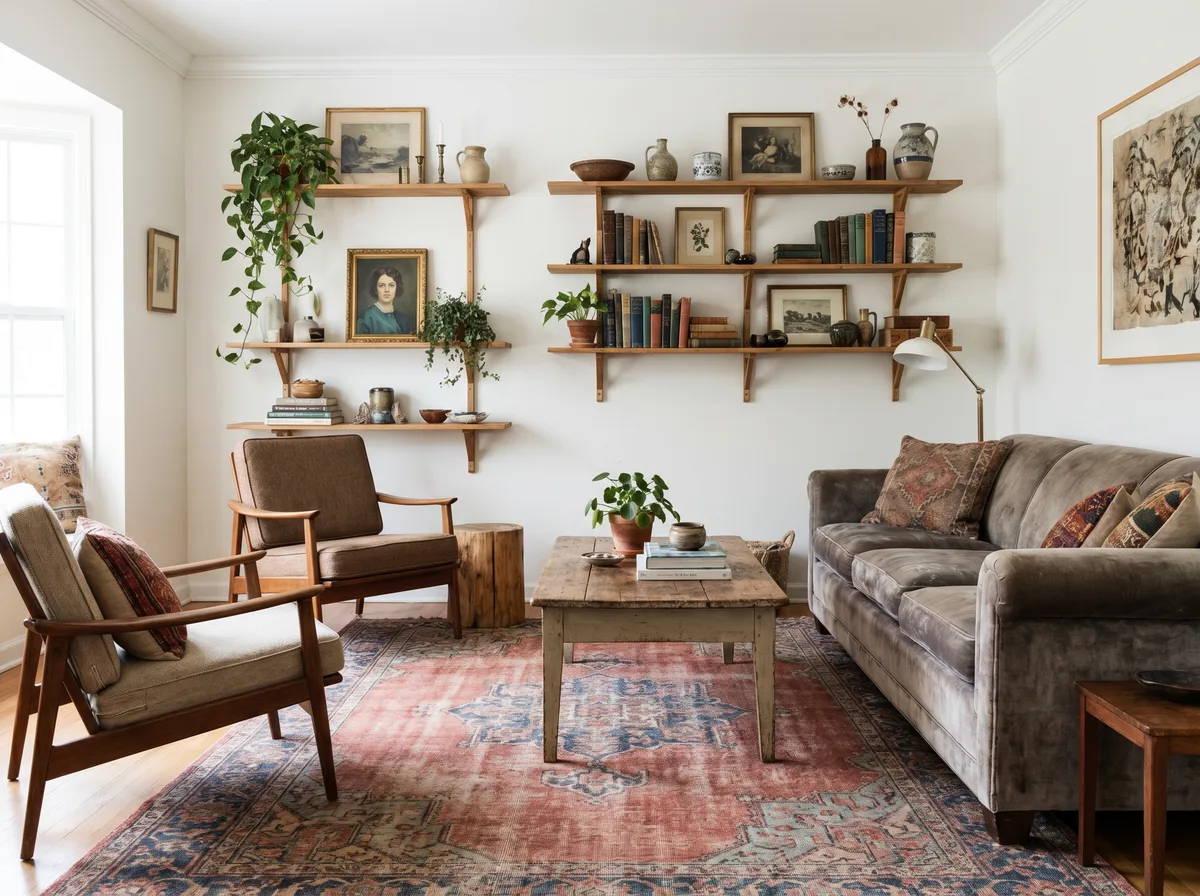
Bohemian style was supposed to be about breaking the rules, so why does every boho room look like it was bought from the same catalog? Here is how to reclaim the eclectic aesthetic.
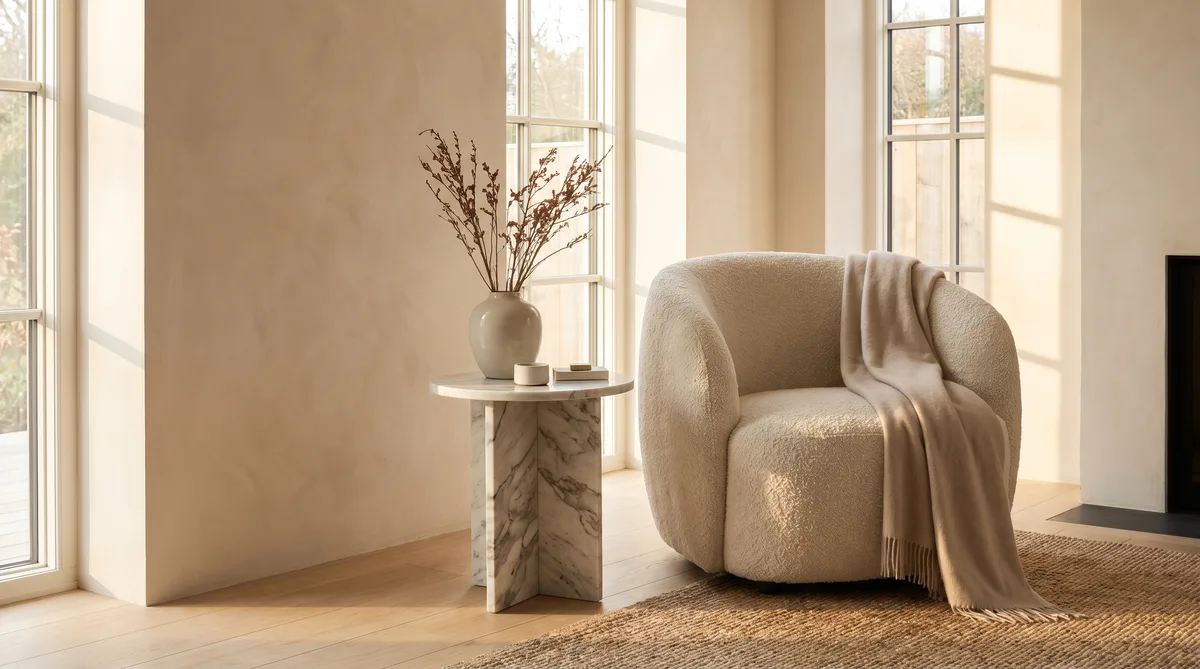
The 'quiet luxury' trend is everywhere, but executing it at home requires more than just buying beige furniture. It is about texture, restraint, and the quality of the materials.
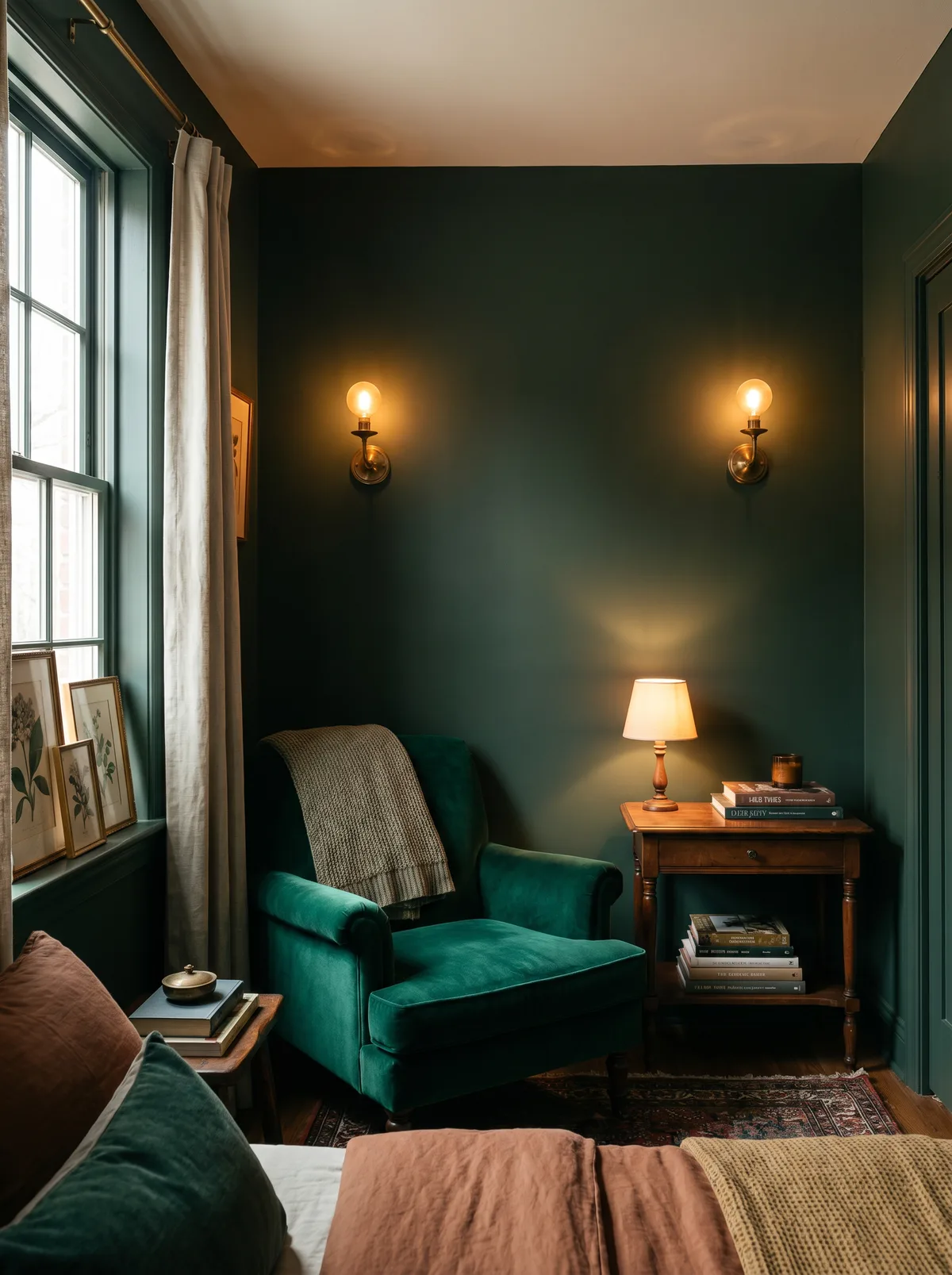
Conventional wisdom says small rooms must be painted white. Conventional wisdom is boring. Here is how to use dark, moody paint to make a tiny space feel like a jewel box.
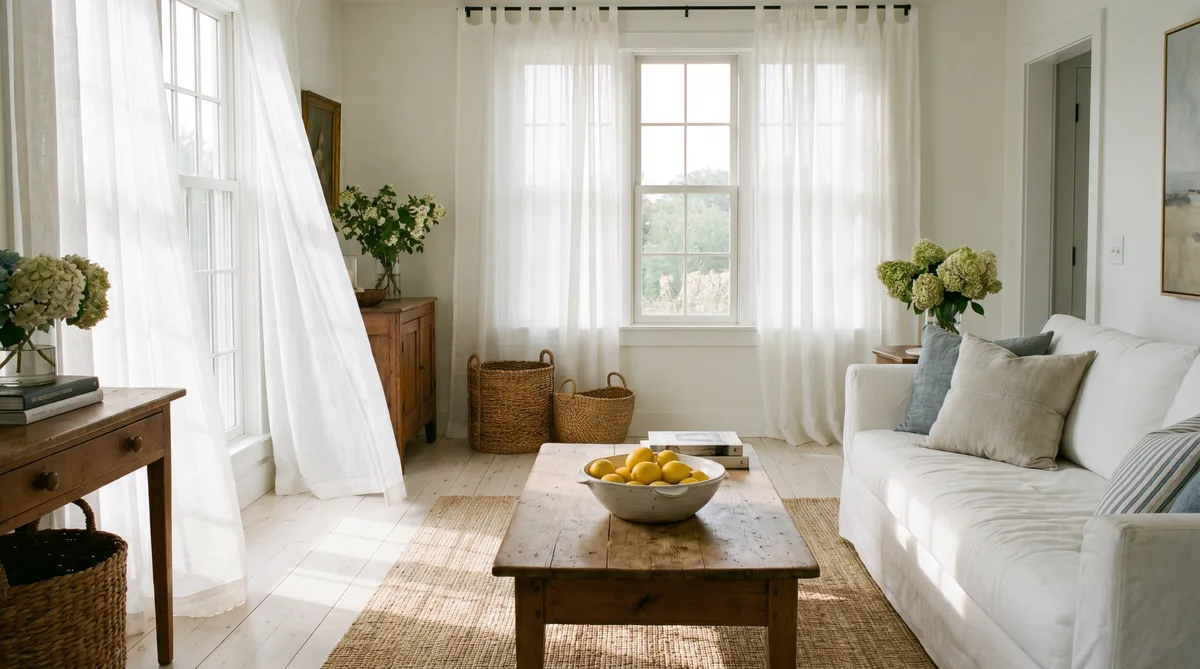
You do not need a beach house to pull off the coastal grandmother aesthetic. It is a mindset of comfort, light, and unhurried living, translated into linen and ceramics.
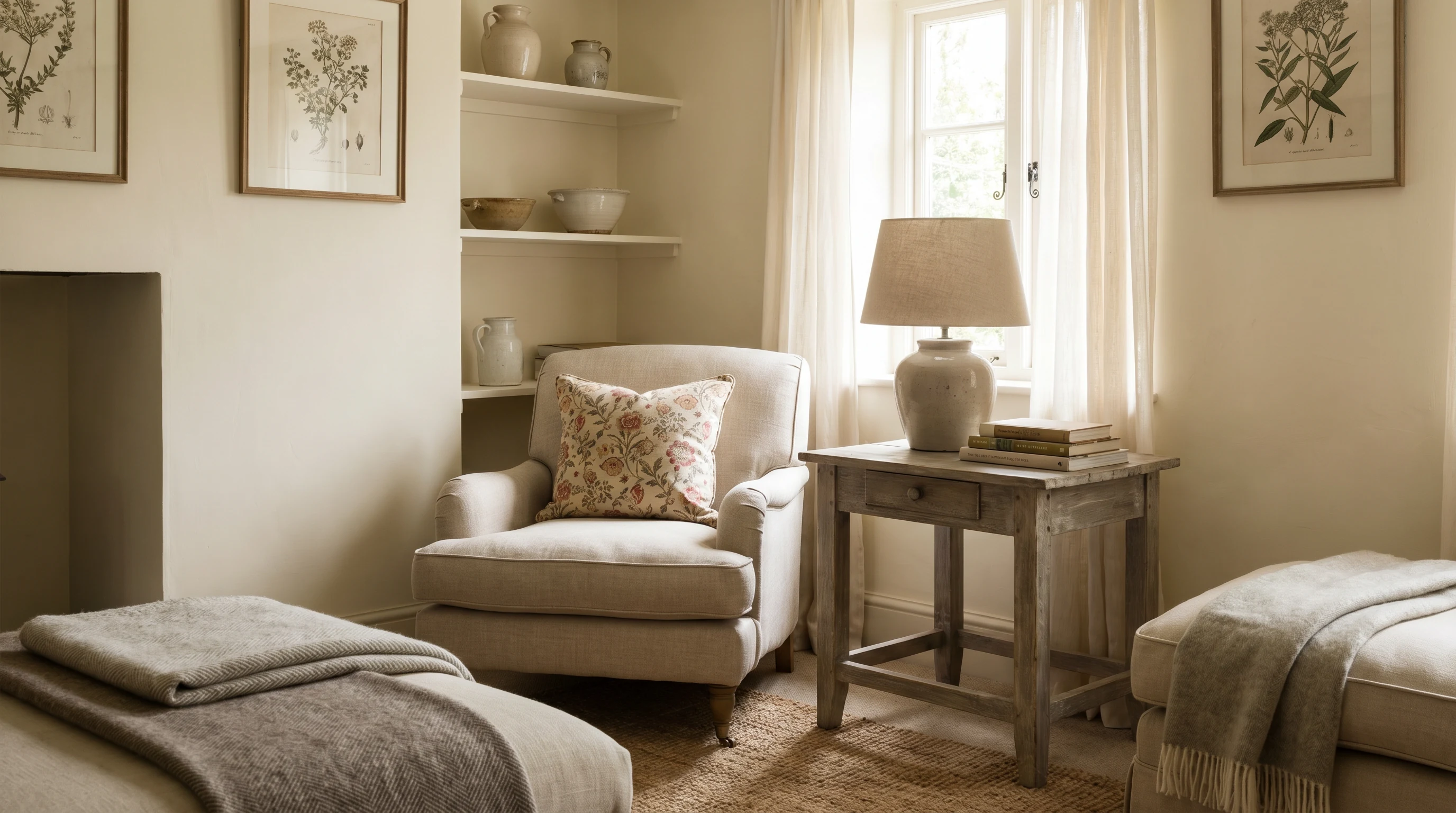
English cottage style has charm for a reason, but it can tip into visual overload quickly. Here is how to borrow the warmth, softness, and old-house comfort without making the room feel crowded.
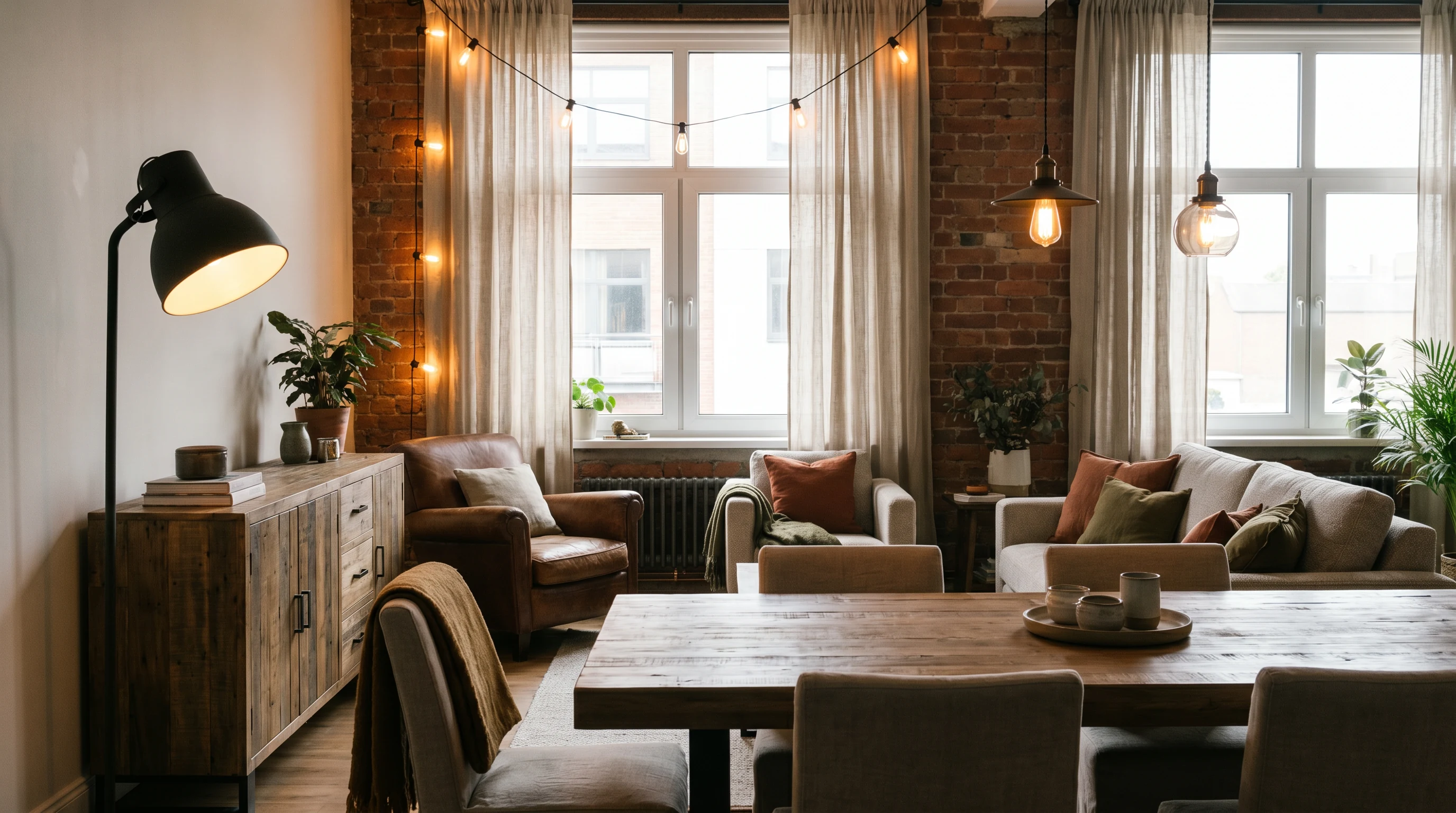
Industrial rooms do not have to feel like converted warehouses with no softness in sight. Here is how to borrow the structure, contrast, and character of the look without making a home feel severe.
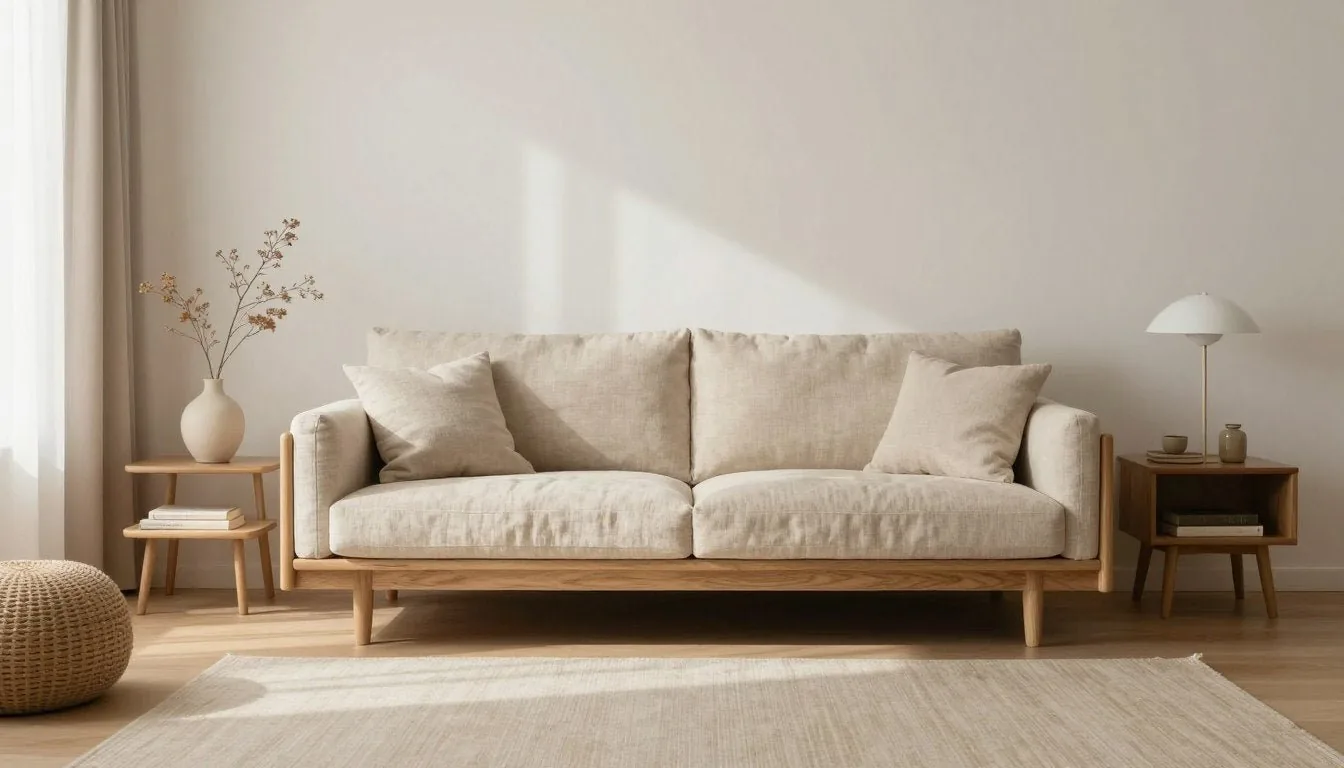
Minimal rooms do not have to feel cold. Here is how warm minimalism uses texture, light, and restraint to make a space feel calm without draining it of personality.
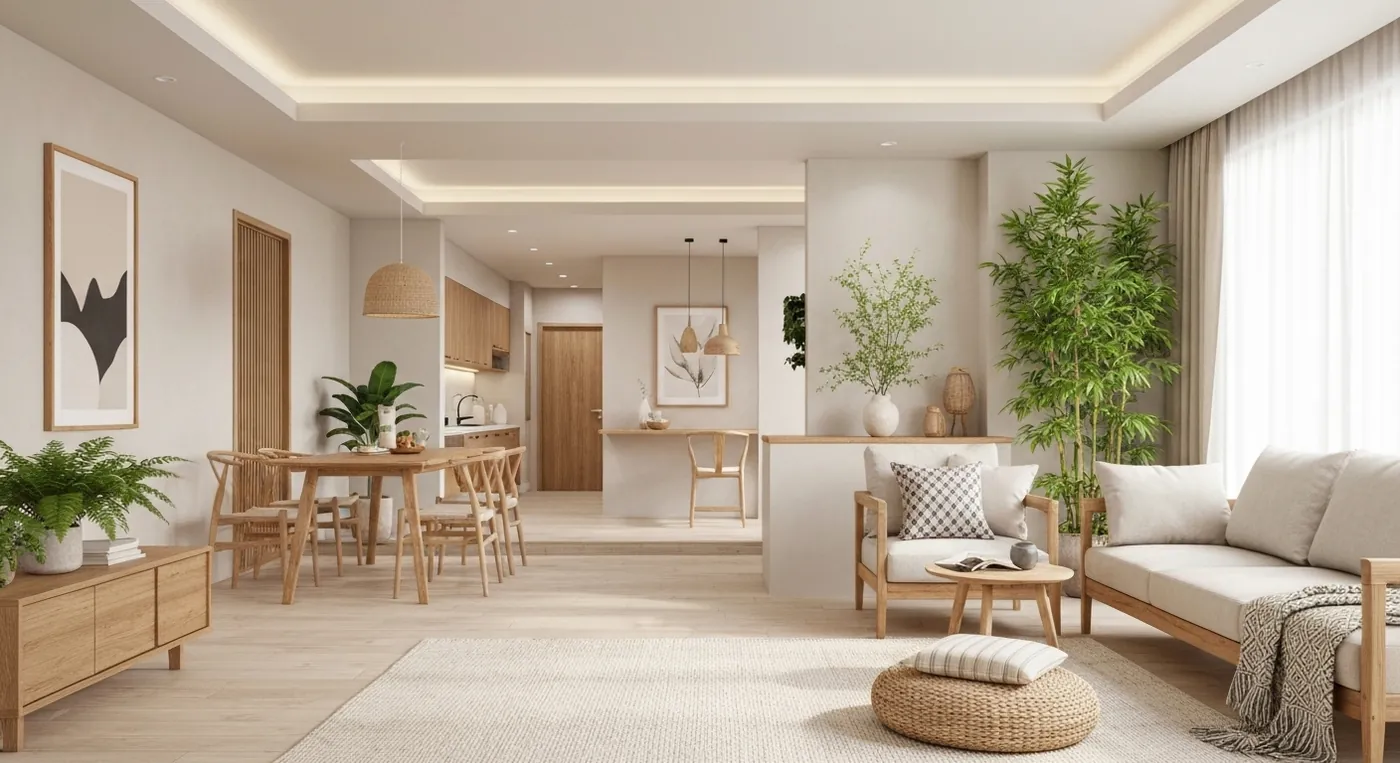
Discover the art of Japandi design, a harmonious blend of Scandinavian coziness and Japanese minimalism, to create a serene and timeless home.