I Tried Open Kitchen Shelving for a Year �?Here Is What I Would Do Differently
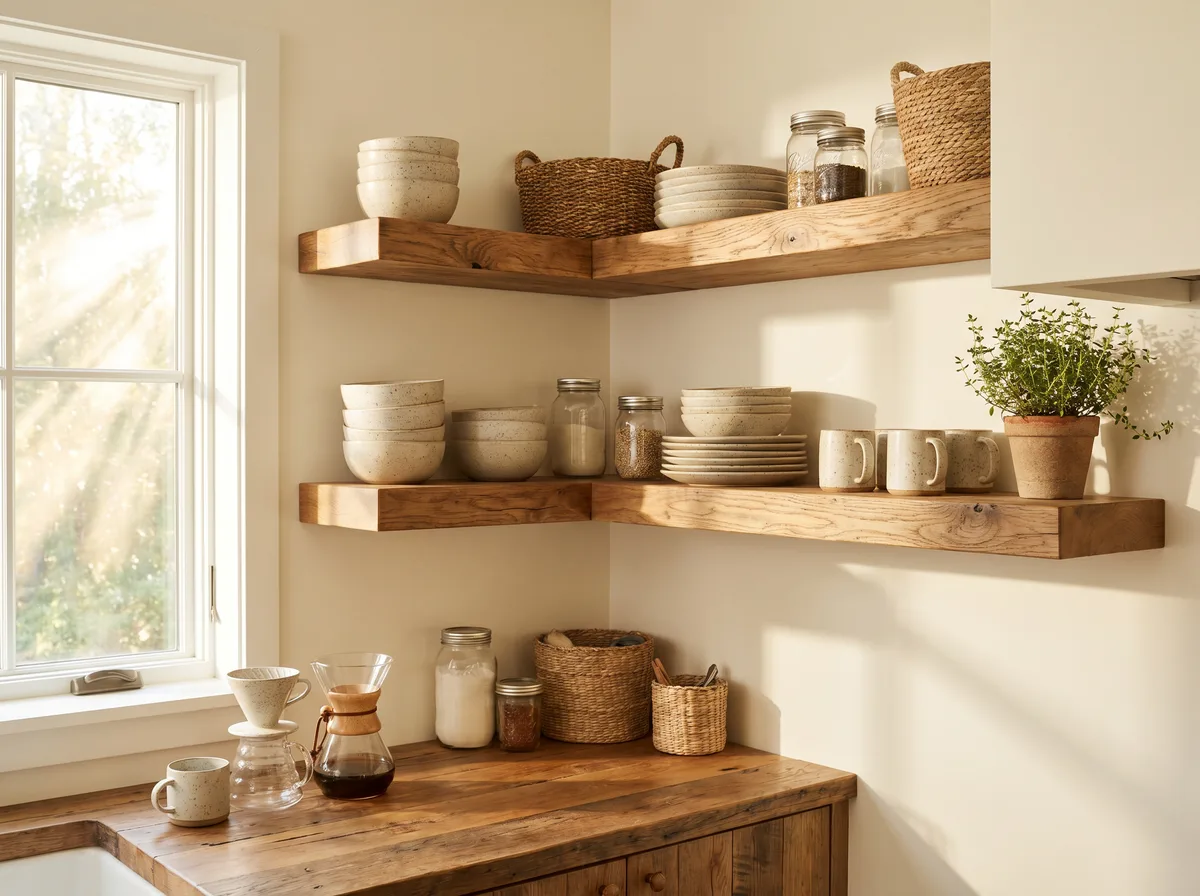
Open shelving is the darling of kitchen design. It promises an airy, casual feel, turning your everyday dishes into a curated display. A year ago, I took down two upper cabinets and installed thick wooden shelves.
The reality hit about three weeks later: dust, grease, and the pressure of keeping everything perfectly stacked. Here is what I learned about living with open shelves, and how I finally made them work for my actual life, not just for photos.
The Bracket Mistake
Initially, I used bulky, decorative corbels that ate up valuable vertical space.
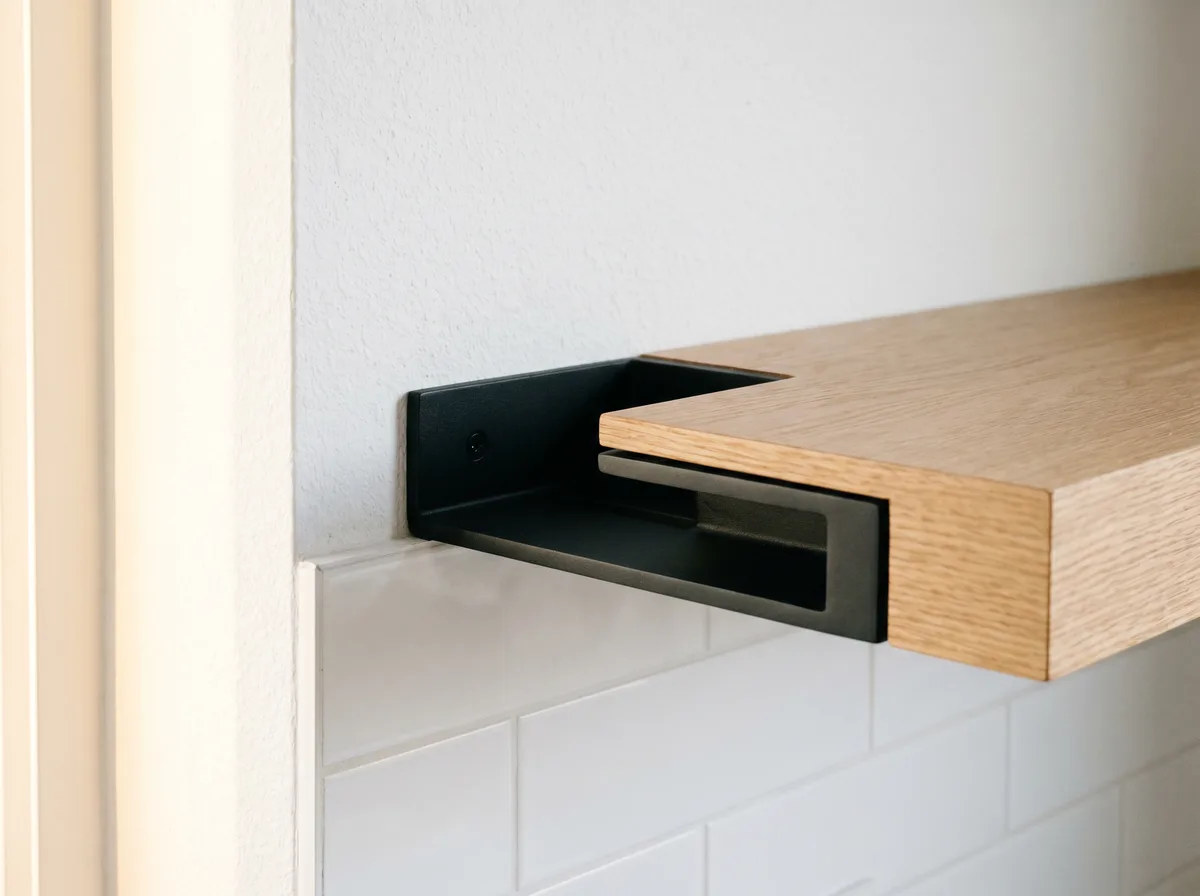
Switching to heavy-duty Hidden Floating Shelf Brackets changed the entire look. The shelves now look built-in and clean, and I gained back the space underneath them for taller items like the coffee grinder.
The Rule of Daily Use
The biggest lesson of open shelving is the “Daily Use Rule.” If you do not use an item every single day, it does not belong on an open shelf.
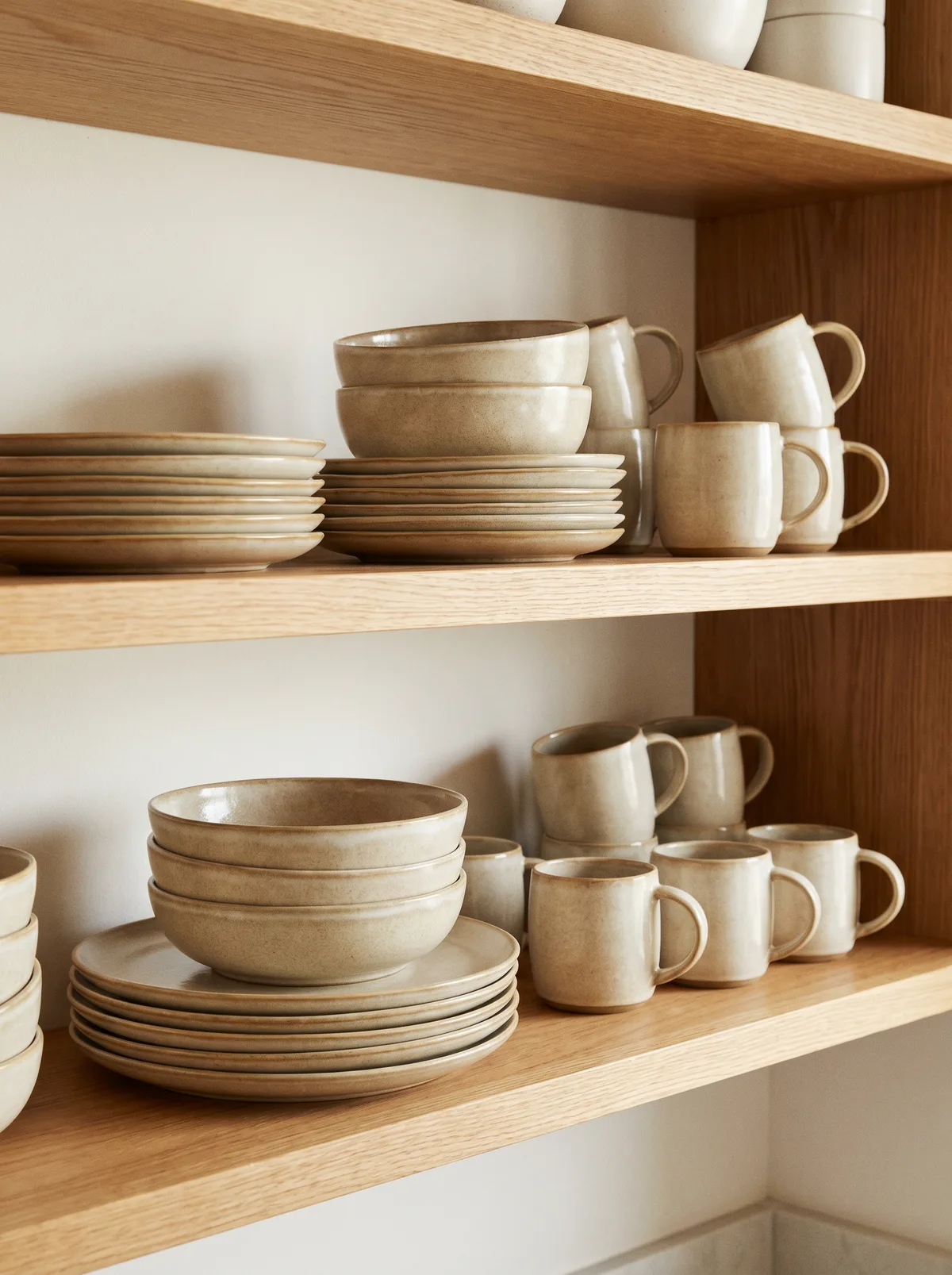
I boxed up the mismatched mugs and occasional-use bowls. I invested in a simple Matching Ceramic Dishware Set in a warm oatmeal glaze. Because these plates and bowls are used and washed constantly, they never have time to collect dust.
Open shelving works beautifully, but only if you treat it as active storage rather than a museum display.
You might also like
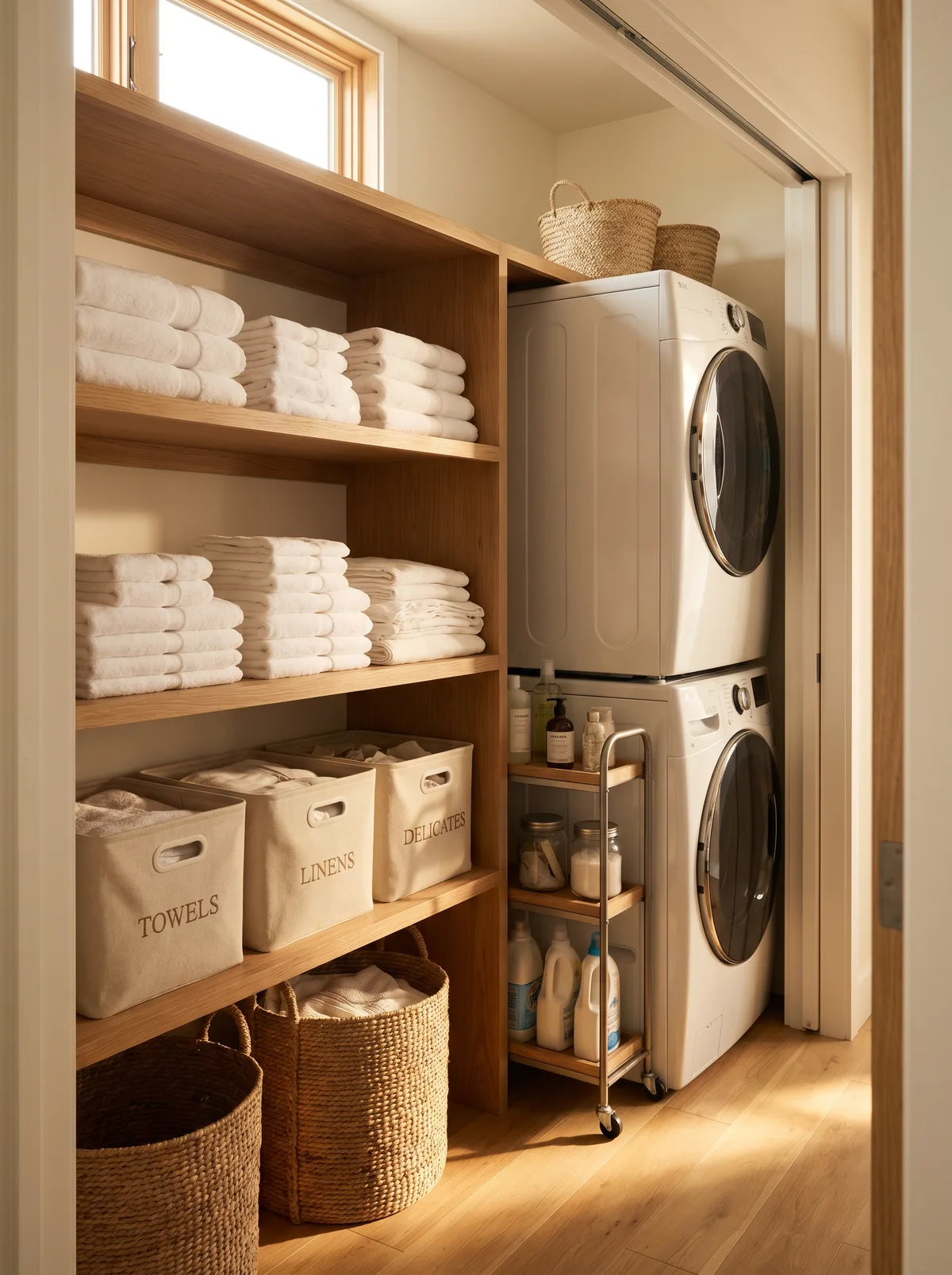
The Laundry Closet Makeover That Turned a Chaotic Shelf Into a Hidden System
Laundry closets are notorious for becoming dumping grounds. Here is how a few specific organizers turned a messy utility space into a calm, functional system.
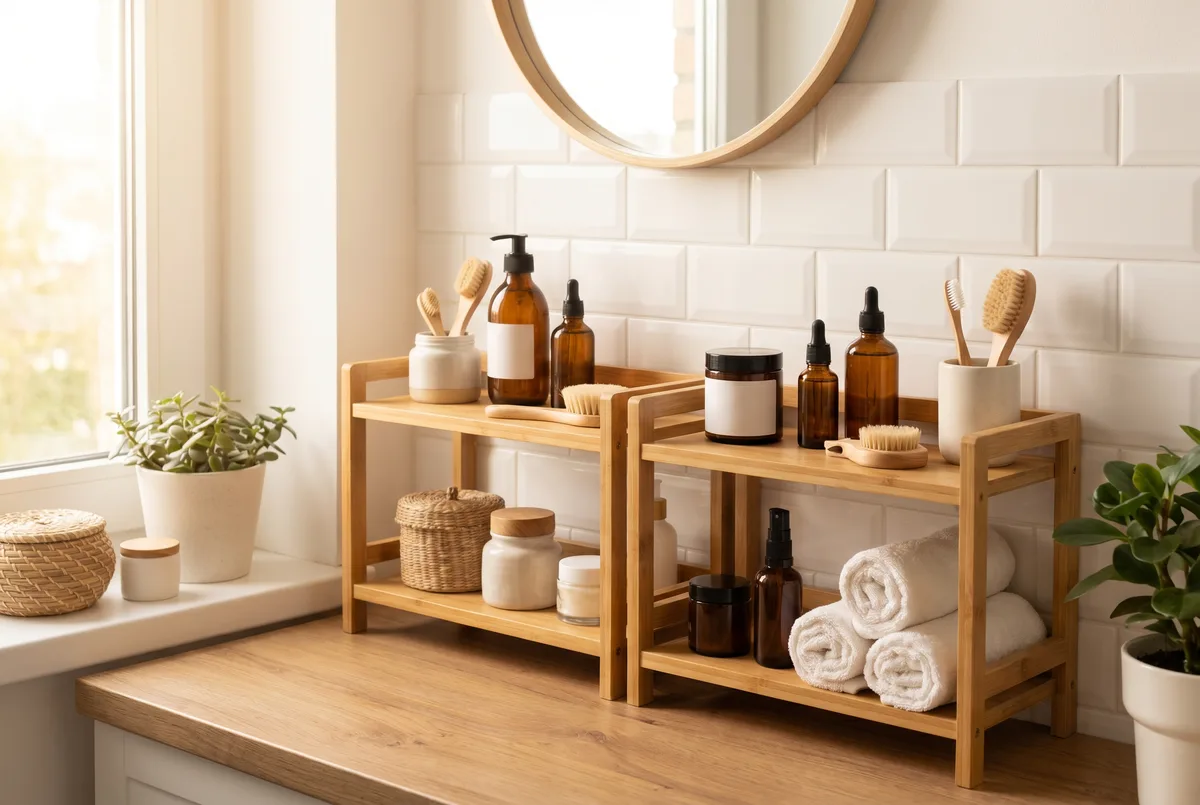
The Bathroom Shelf Rearrangement That Made a Tiny Bathroom Feel Twice as Organized
When you share a bathroom the size of a closet, every inch matters. Here is how I finally stopped knocking over bottles and created a system that actually works before 8 AM.
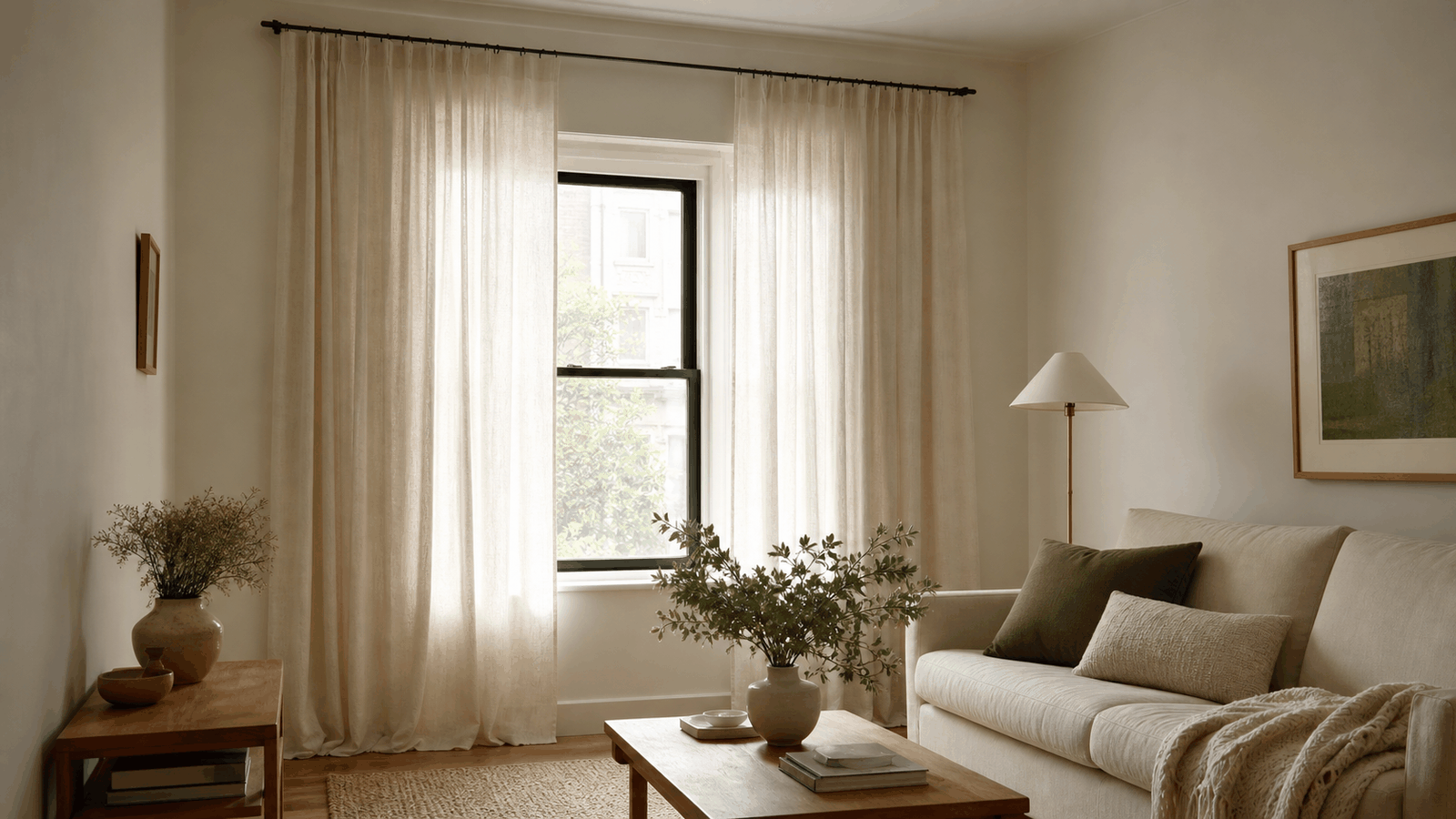
Curtain Ideas That Make a Rental Living Room Feel Taller
Rental living rooms often feel shorter because the curtain rod, fabric, and wall around the window are doing less work than they could.