The Case for Mixing Black Accents with Warm Wood Instead of Cool Gray
The Shift Away from the Gray Zone
For the better part of a decade, the default backdrop for high-contrast black accents was cool, unyielding gray. It made sense on paper: a neutral canvas to let the bold, dark hardware or fixtures stand out. But in practice, spaces built on this combination often ended up feeling sterile, resembling a corporate showroom rather than a lived-in home.
The alternative—pairing matte black finishes with the rich, varied tones of warm wood—solves the clinical problem of the gray-and-black era. Wood introduces organic texture and subtle color variation, preventing the starkness that happens when black meets a flat, cool surface.
Why Wood Works Better
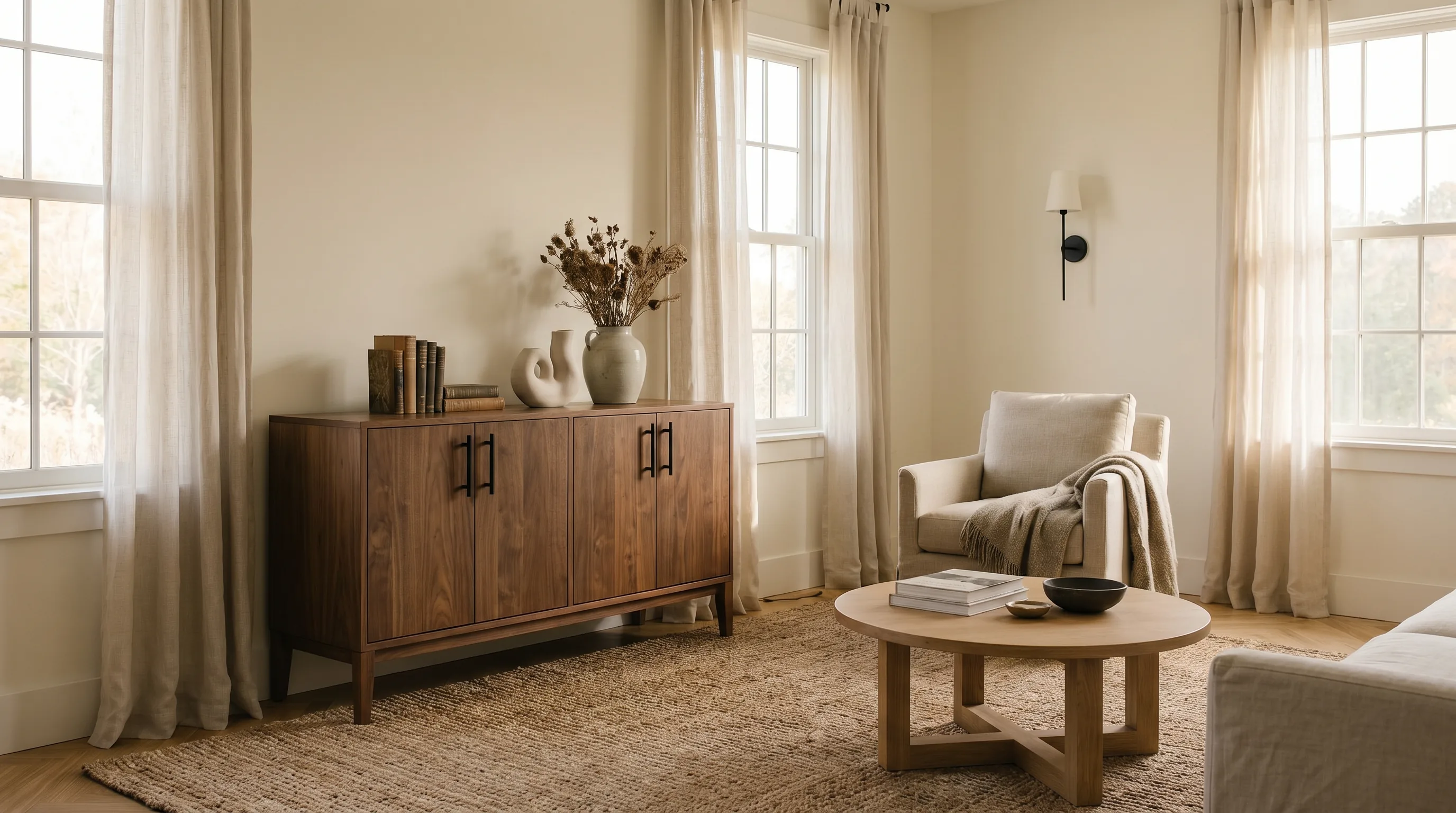
When you place a matte black cabinet pull against a slab of cool gray MDF, the contrast is sharp but one-dimensional. The eye stops at the hardware. Swap that gray background for a mid-tone walnut or a white oak with a clear, matte finish, and the dynamic changes entirely.
The undertones in natural wood—ranging from honey to deep amber—soften the severity of the black. It’s a combination that leans on architectural history, nodding to mid-century modernism and Japanese joinery, where structural dark metal or ebonized wood accents highlight the grain of lighter timber.
Balancing the Tones
You don’t need to overhaul your entire house to test this out. Small, deliberate updates make a significant impact:
- Kitchen Hardware: If you have wood cabinetry, replacing brushed nickel or brass with matte black pulls immediately grounds the space. The dark metal cuts through the warmth, adding definition without feeling heavy.
- Lighting Fixtures: A black metal pendant light over a solid oak dining table creates a focal point. The metal provides an industrial edge, while the wood keeps the dining area inviting.
- Furniture Legs: A sofa or armchair with exposed wood framing paired with a black side table bridges the gap between cozy and structured.
Material Selection
Not all woods play equally well with black. Woods with heavy, contrasting grain patterns, like hickory or heavily knotted pine, can compete with the starkness of black accents, creating visual clutter.
Instead, look for woods with a more uniform, tighter grain. White oak is currently the standard for a reason: its pale, slightly warm hue provides a clean backdrop. Walnut offers a moodier, more sophisticated pairing, ideal for home offices or evening-focused living spaces.
The Right Black Finish
The finish of your black accents matters just as much as the wood species. High-gloss black can feel cheap and reflective, bouncing light in a way that distracts from the natural wood grain.
Matte or satin finishes absorb light. They feel grounded and intentional. When shopping for hardware or light fixtures, look for terms like “powder-coated,” “matte iron,” or “satin ebony.” These finishes have a tactile quality that complements the natural texture of wood. For instance, swapping out basic kitchen hardware for the Rejuvenation Bowman Cabinet Knobs in Oil-Rubbed Bronze (which reads as a soft black) instantly updates oak cabinetry.
Moving Forward
Leaving behind the safety of gray requires trusting the natural variation of organic materials. Wood isn’t perfectly uniform, and that is precisely why it works so well with the absolute uniformity of a black accent. If you are ready to experiment, start small. A solid walnut tray on a black metal coffee table, or a set of matte black dining chairs around a white oak table, can introduce this balance without a major renovation.
You might also like
Rustic Home Decor Without Making the Room Feel Heavy
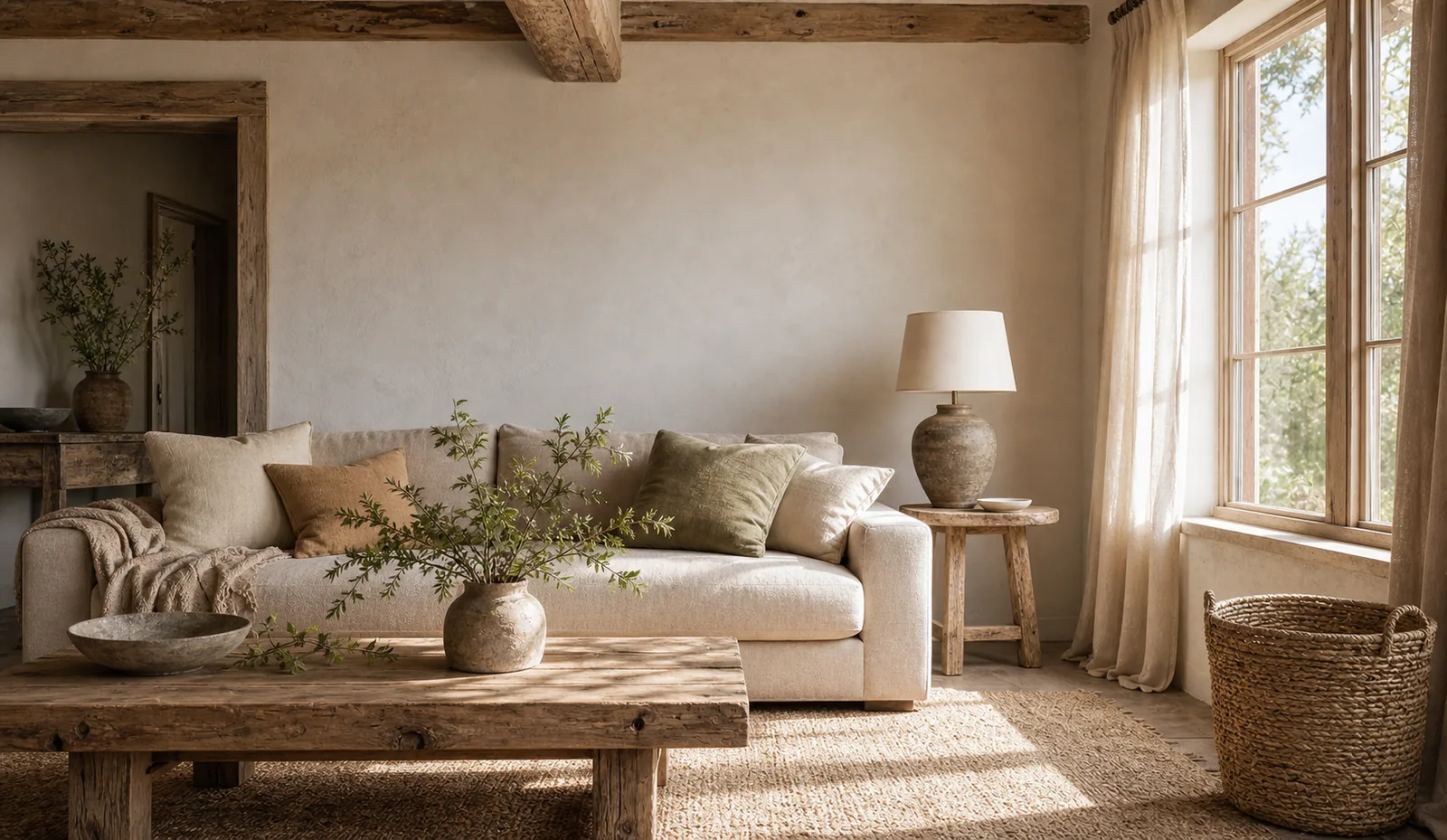
Rustic home decor can feel warm and grounded without becoming dark, bulky, or overly themed. The trick is balancing rough texture with lightness.
Organic Modern Home Decor Without the Showroom Look
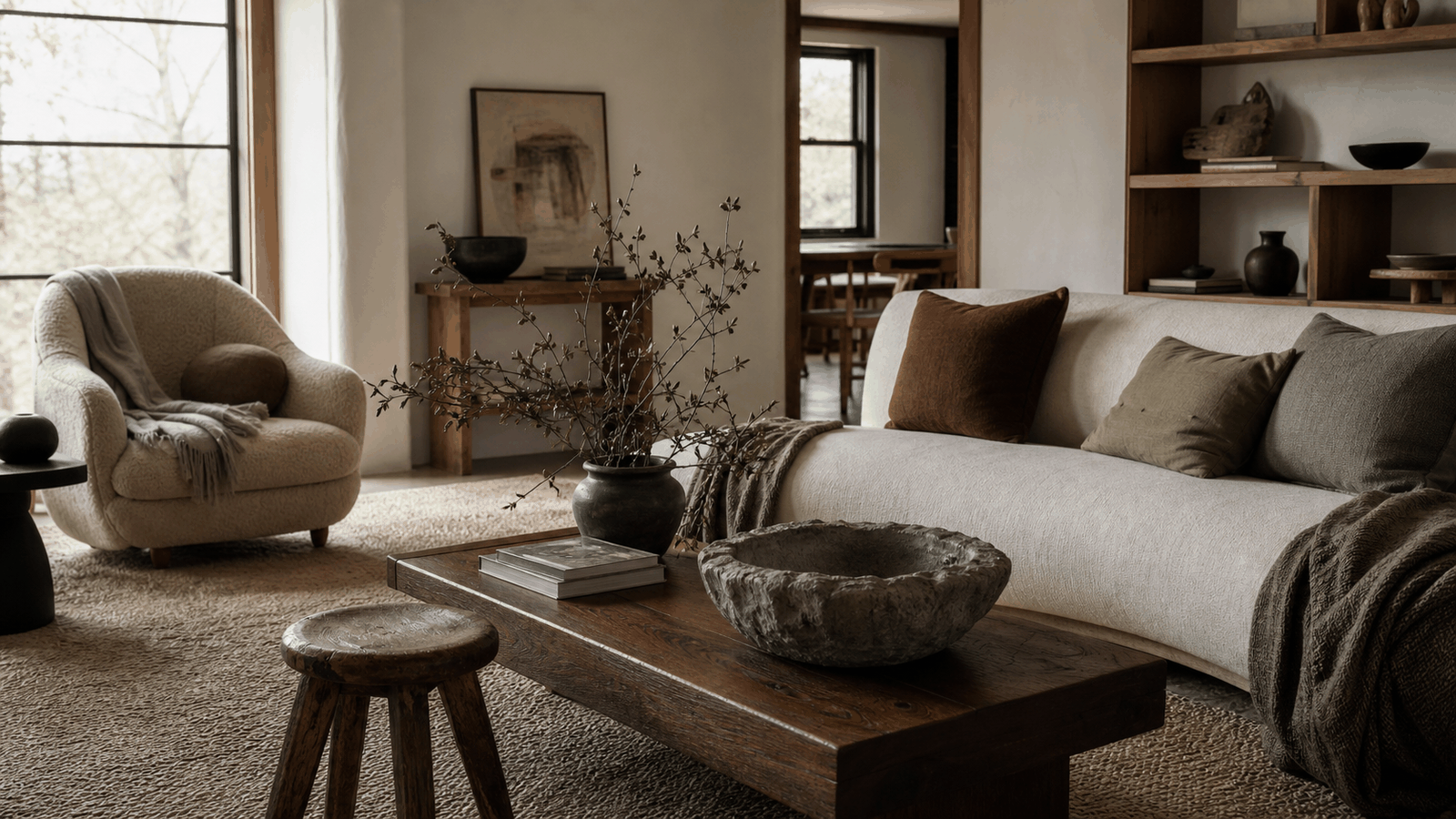
Organic modern style works best when the room keeps its natural texture, useful contrast, and a few imperfect pieces instead of becoming a beige display.
Color Drenching at Home Without Making the Room Feel Flat
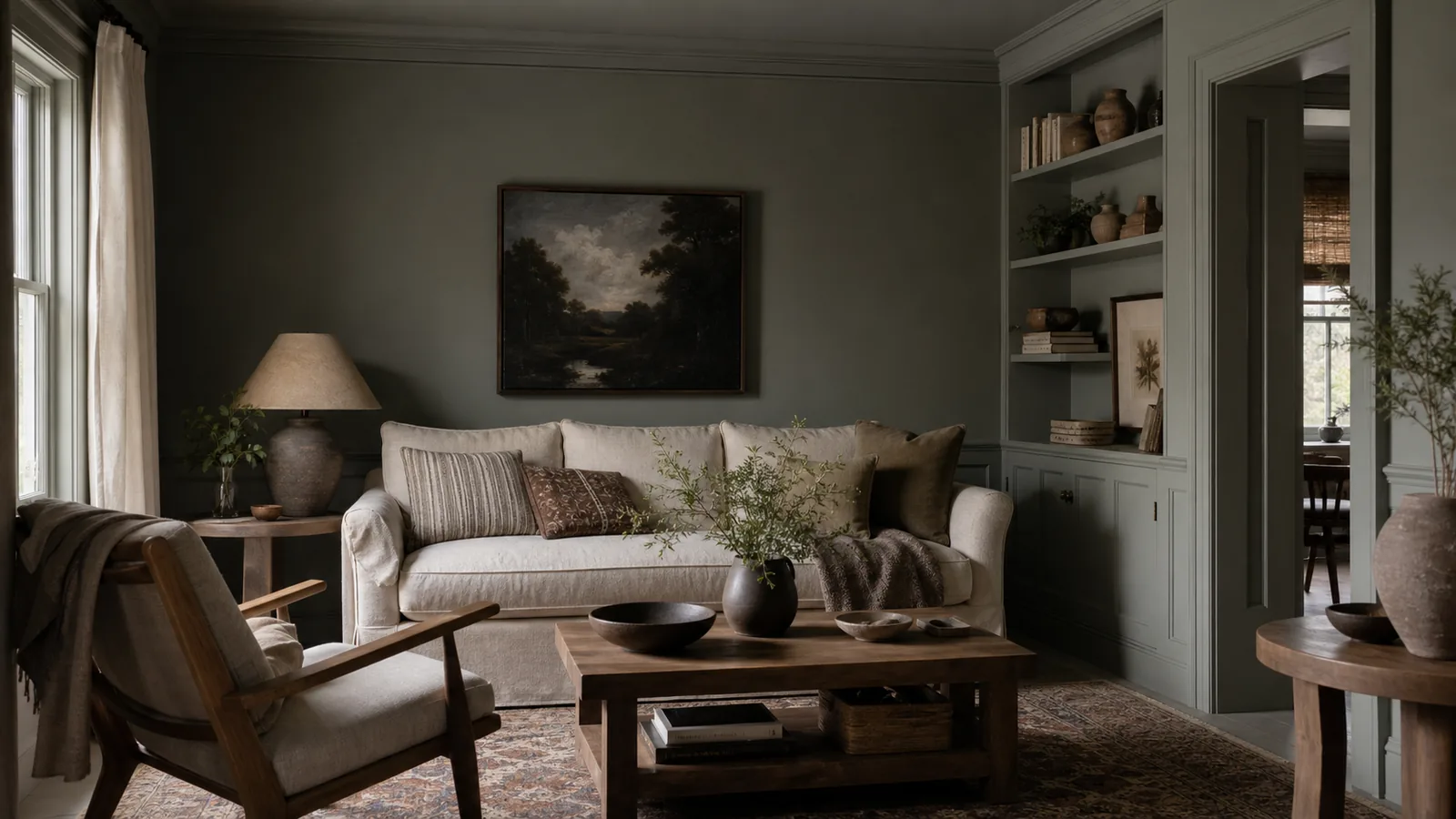
Color drenching works best when it creates depth, not just coverage. The room still needs shadow, texture, contrast, and a few places where the eye can rest.