Common Home Decor Clutter Items I Would Edit Before Buying More
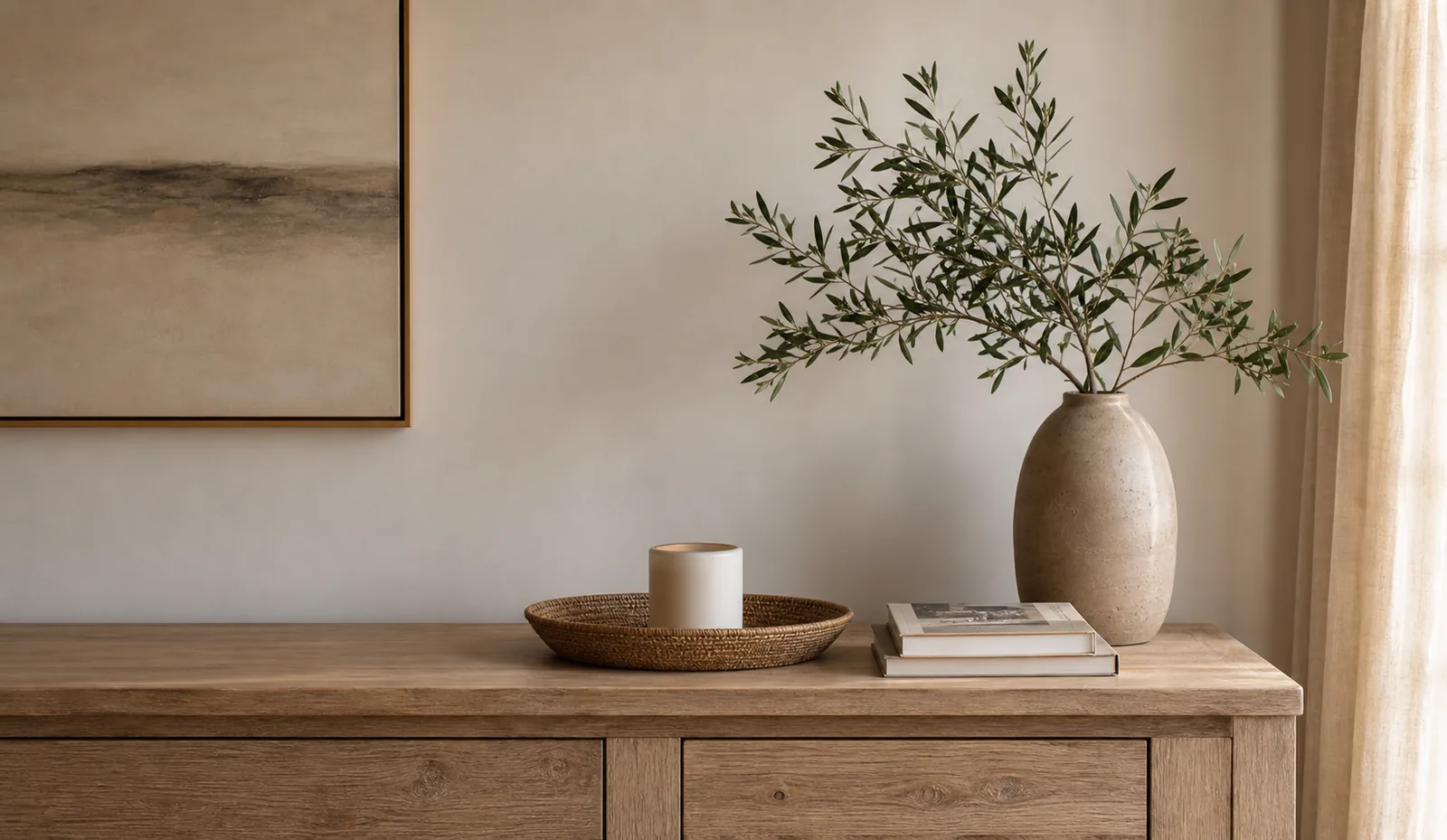
Decor Clutter Is Usually Trying to Help
Most decor clutter did not arrive with bad intentions. The extra candle was supposed to make the coffee table feel warm. The small vase was supposed to finish the shelf. The stack of books was supposed to add personality. The basket was supposed to hide the mess.
Then one day the room starts to feel busy, and none of the individual objects looks guilty enough to remove.
That is why I like editing decor by category instead of by mood. If you wait until you feel ruthless, you may never start. If you look at the most common clutter items one group at a time, the decisions get easier.
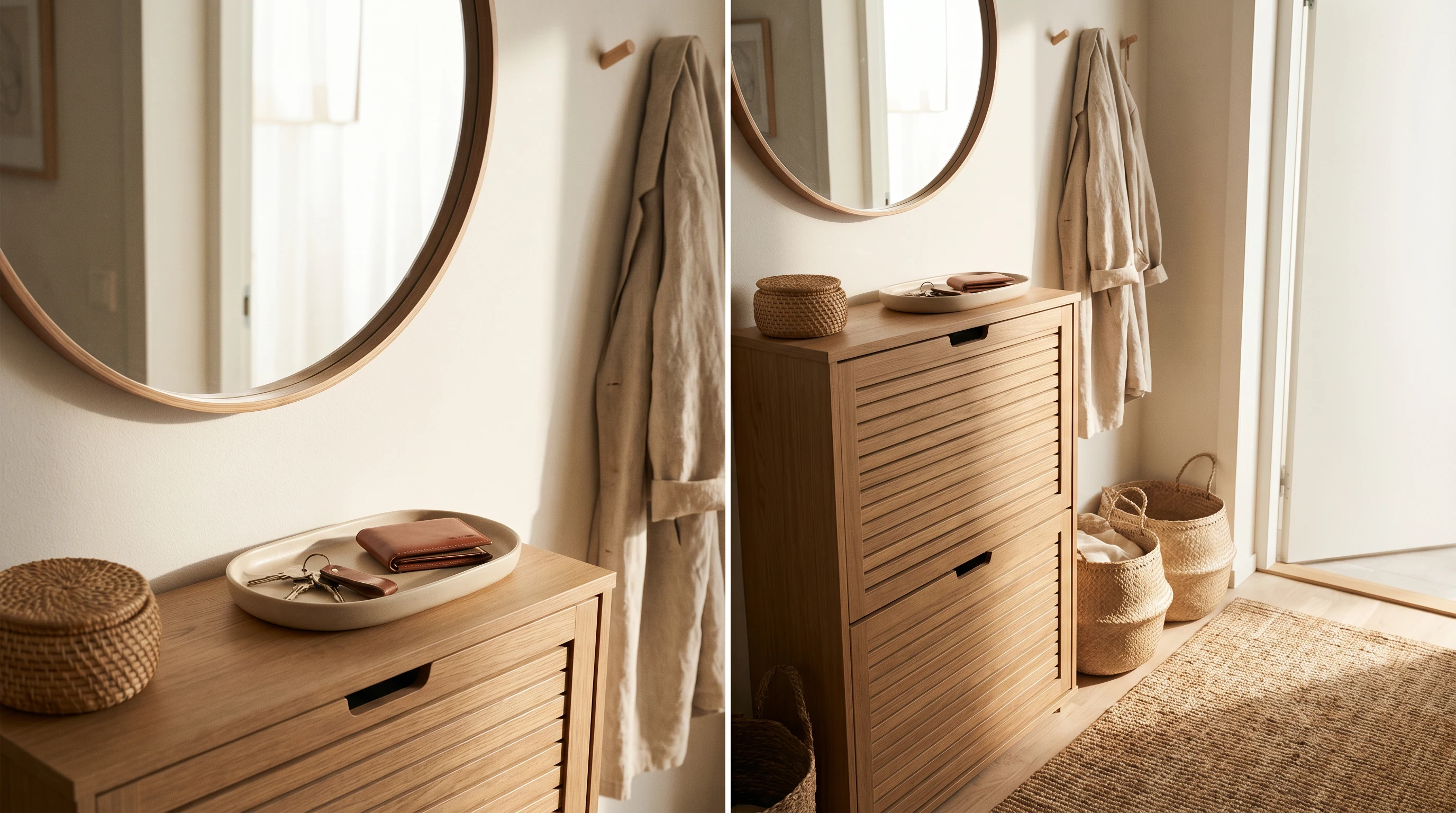
The Extra Candle Problem
Candles are one of the easiest objects to over-collect because they feel useful and decorative at once. The problem is that half-burned candles, unopened candles, and tiny candle jars can make every surface feel interrupted.
Keep the ones you actually use. Store backups out of sight. Let one candle live on a table, not five. A single candle with space around it feels intentional. A cluster of forgotten jars feels like visual static.
Tiny Vases and Small Objects
Small vases, bowls, figurines, and decorative dishes are deceptively hard to edit because they do not take up much space. But visually, they take up a lot. Each one asks the eye to stop.
Gather them all in one place and choose the few that have the strongest shape, material, or memory. The rest can rotate seasonally, move to storage, or leave. A shelf with three confident objects usually looks better than a shelf with twelve polite ones.
Books Used Only as Props
Books can make a home feel layered, but only when they feel connected to the person who lives there. Stacks of books chosen only for color or height can start to feel hollow.
Keep the books you read, reference, or genuinely love seeing. If a book exists only to lift a lamp two inches, find a better solution. A smaller stack of real books has more life than a perfect stack that means nothing.
Baskets With No Assignment
Baskets are useful until they become decorative permission for clutter to spread. Every basket needs a job: blankets, shoes, grocery totes, laundry, pet toys, scarves. If a basket holds random overflow, it is not solving clutter. It is storing indecision.
Empty each basket and name its job. If you cannot name one, the basket may be part of the problem.
Duplicate Trays
Trays can make a surface feel organized, but too many trays create little islands of mess. A coffee table tray, entry tray, nightstand tray, vanity tray, and kitchen tray may all be useful. But when every surface has one, the room can start to feel overly managed.
Use trays where small objects genuinely land. Remove them where they are only pretending to create order.
Pillows That Fight the Furniture
Throw pillows often become clutter because they are bought individually and judged individually. On the sofa, they have to work as a group. Too many colors, textures, shapes, or slogans can make a calm sofa feel restless.
Try removing half of them for a week. If the sofa looks better and functions better, you have your answer.
Editing Is a Makeover
The fastest room refresh may not involve buying anything. Edit candles, tiny objects, prop books, jobless baskets, duplicate trays, and extra pillows. Then live with the quieter room for a few days.
Once the decor clutter clears, the room can tell you what it actually needs.
You might also like
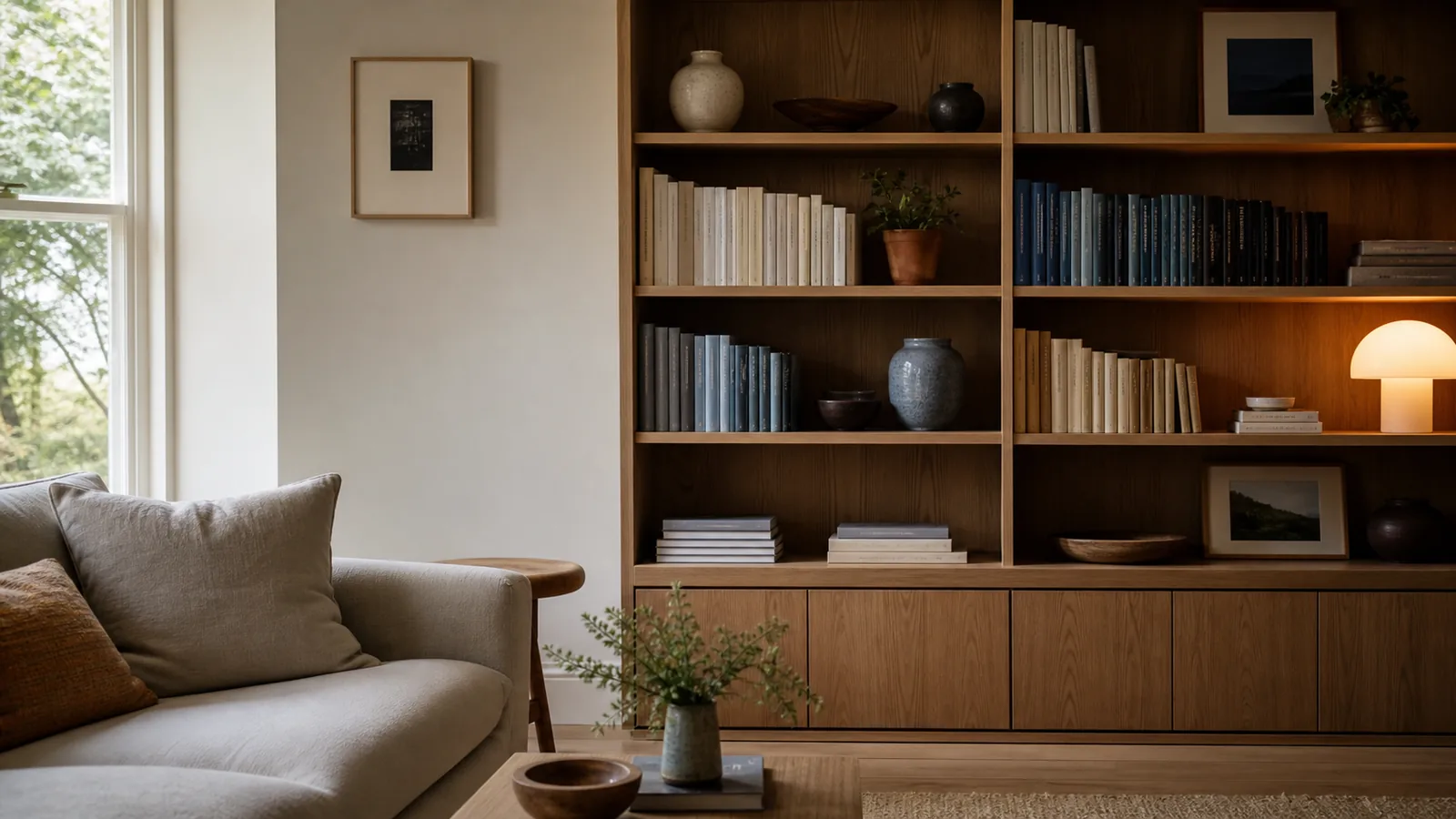
The Bookshelf Styling Reset That Made My Living Room Feel Quieter
A busy bookshelf can make a whole living room feel restless. The reset is less about styling tricks and more about editing rhythm, weight, and breathing room.
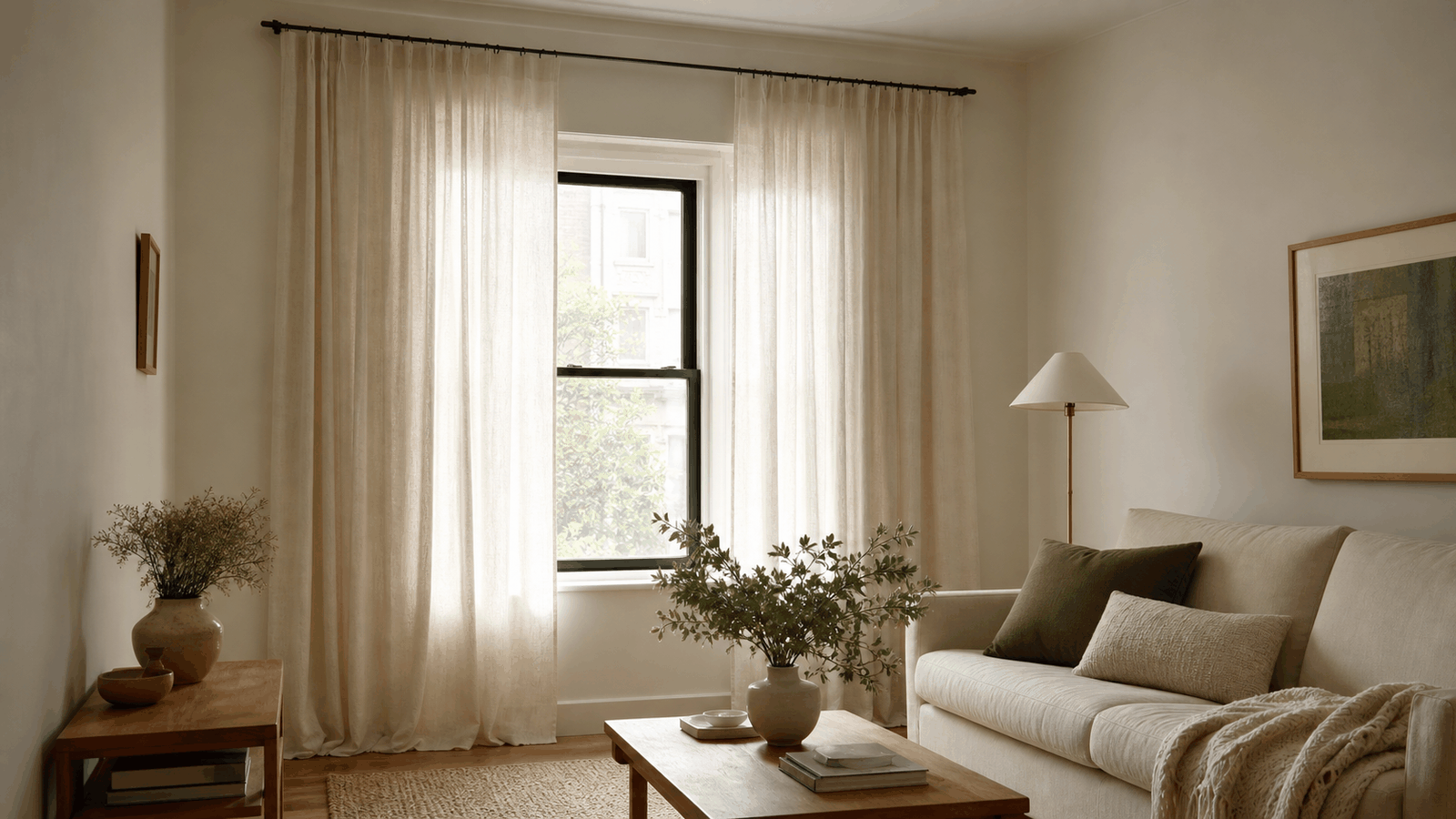
Curtain Ideas That Make a Rental Living Room Feel Taller
Rental living rooms often feel shorter because the curtain rod, fabric, and wall around the window are doing less work than they could.
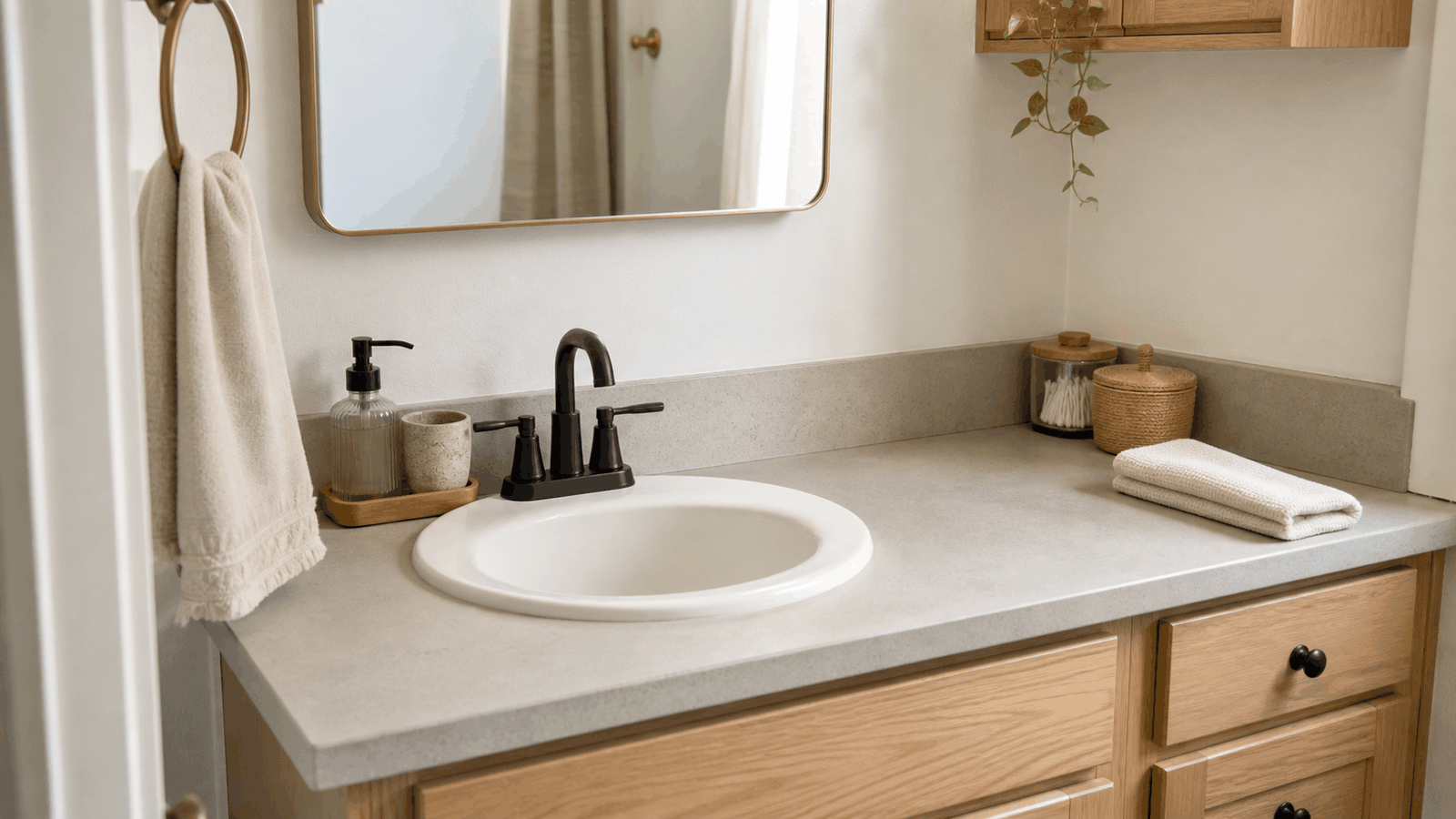
Small Bathroom Counter Organization Ideas That Still Leave Room to Get Ready
A small bathroom counter works better when the daily routine has a clear landing zone and everything else stops competing with the sink.