How to Use Dusty Green Without Making Your Home Look Like a Paint Sample
Beyond the Accent Wall
There is a persistent habit in interior styling of treating color exclusively as paint. When dusty green began appearing in European design fairs a few years ago, the immediate reaction was to roll it onto living room walls and call it a day. The result often feels flat—less like a considered home and more like a paint brand’s showroom display.
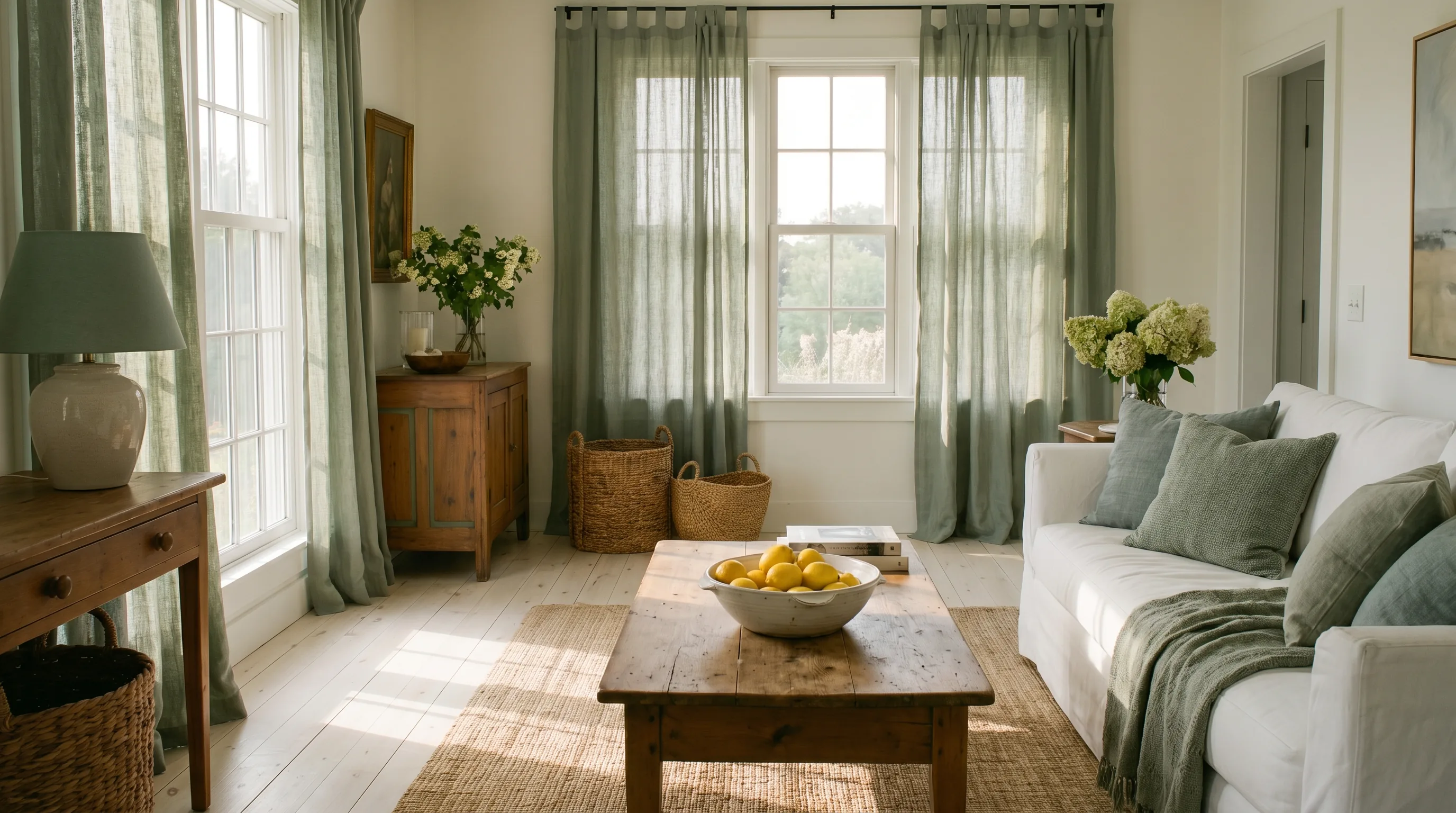
To actually live with this muted, complex shade, you have to stop thinking of it as a flat surface and start treating it as a material. Dusty green—which sits somewhere between sage, olive, and gray—excels when it carries texture. It is a color that needs shadows to feel intentional.
The Case for Green Textiles
Instead of committing to a gallon of matte wall paint, introduce the tone through heavy fabrics. A linen sofa in a desaturated olive anchors a room far better than a stark white one, hiding daily wear while absorbing natural light beautifully. If a major furniture purchase isn’t on the horizon, heavy cotton curtains or a densely woven wool rug offer the same grounding effect.
When shopping for these textiles, pay attention to the weave. A flat cotton will make the green look cheaper and brighter than it is. You want slub linen, velvet, or boucle—materials that catch the light unevenly and give the color depth.
Cabinetry and Hard Surfaces
If you are renovating, dusty green cabinetry has become a reliable alternative to navy or charcoal. It pairs exceptionally well with unlacquered brass hardware, which warms up the gray undertones in the green.
For kitchens, I recommend looking at matte finishes rather than gloss. Glossy green cabinets reflect too much light, diluting the complexity of the color. A matte finish, paired with honed marble or soapstone countertops, creates a kitchen that feels established rather than newly installed.
Layering the Atmosphere
You don’t need a lot of this color to make an impact. Sometimes, the most effective application is the quietest. Consider a single, well-proportioned ceramic lamp in a chalky green glaze sitting on a walnut side table. The contrast between the cool, muted ceramic and the warm wood grain does more for the room’s atmosphere than painting an entire wall.
When selecting complementary colors, avoid stark whites. Opt for plaster tones, warm creams, and muddy browns. Dusty green thrives in an environment that feels slightly earthy and lived-in, not clinical. By treating it as an atmospheric layer rather than a focal point, the color integrates into the architecture of your home instead of fighting against it.
You might also like
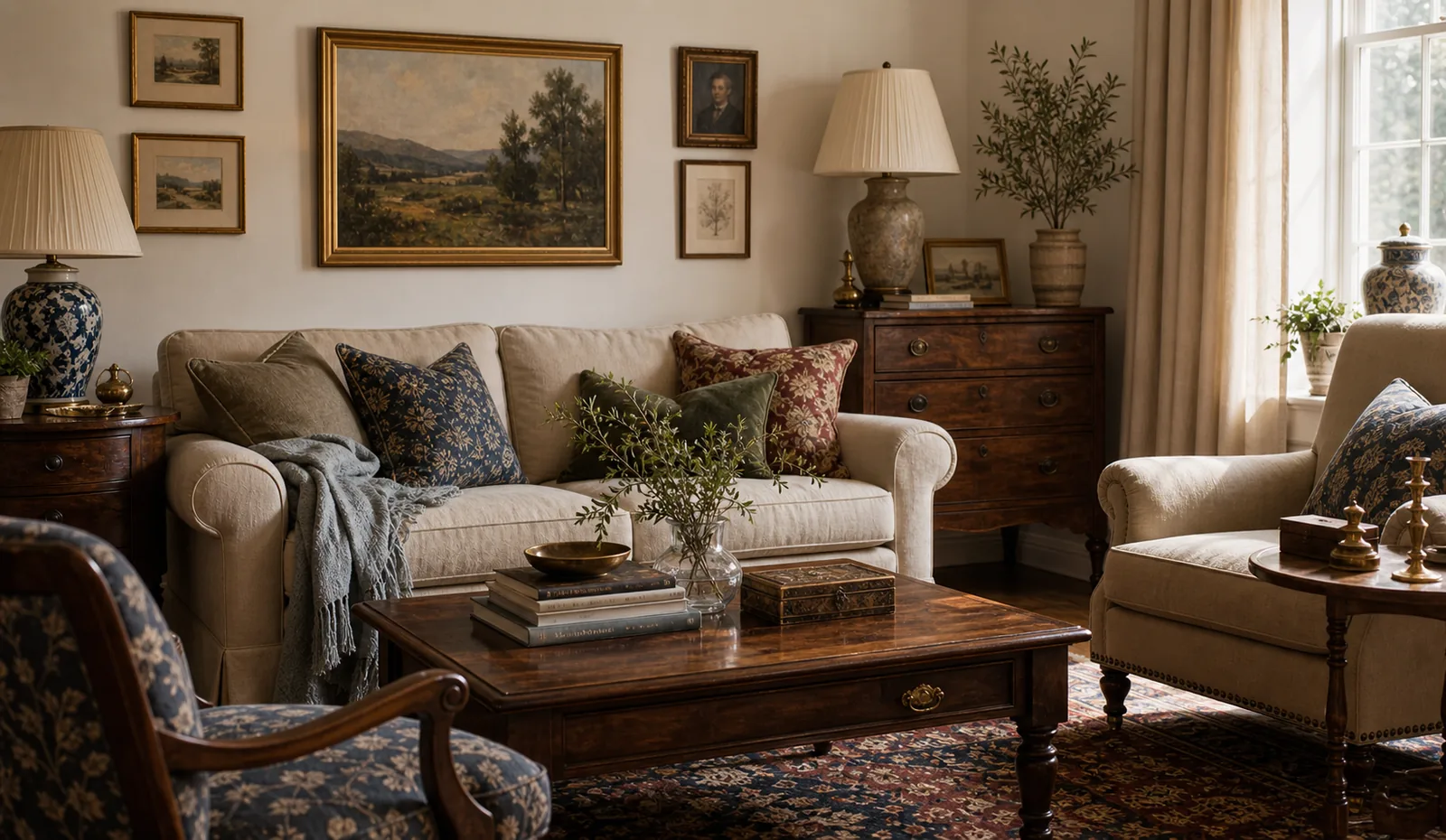
Traditional Home Decor That Feels Collected, Not Stiff
Traditional home decor feels best when it mixes formality with lived-in comfort, giving the room history without making it rigid.
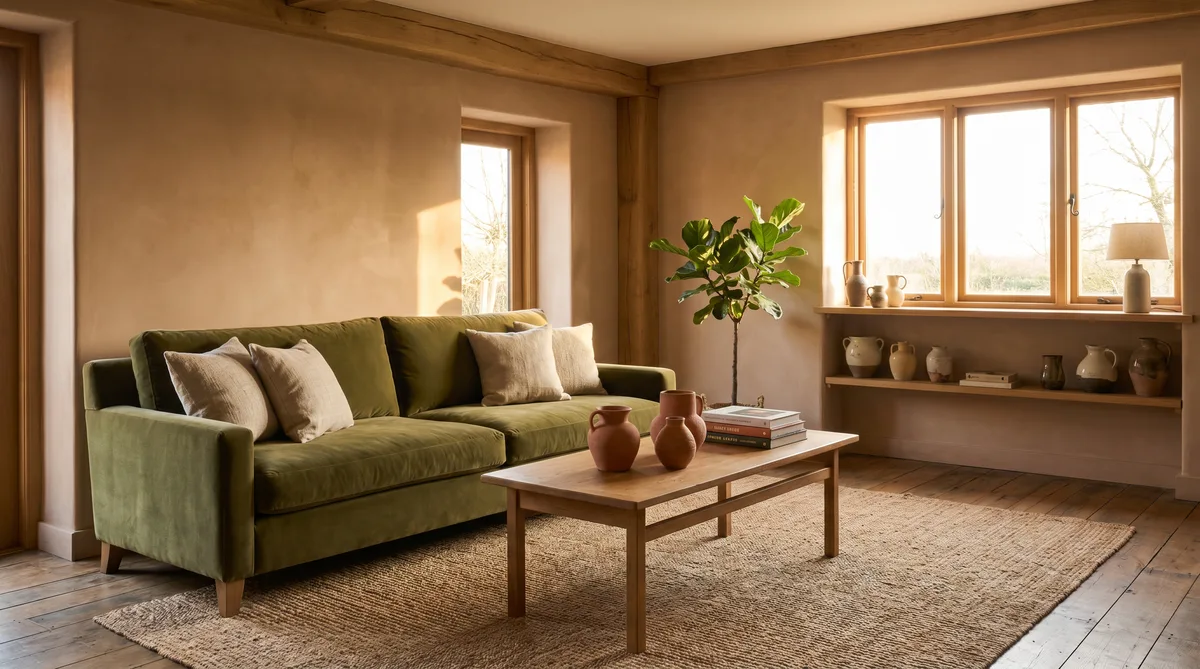
Earth Tones at Home Beyond Just Brown �?A Palette That Actually Feels Alive
Earth tones are trending, but a room full of beige and brown can quickly feel muddy. Here is how to use terracotta, olive, and clay to build a vibrant natural palette.
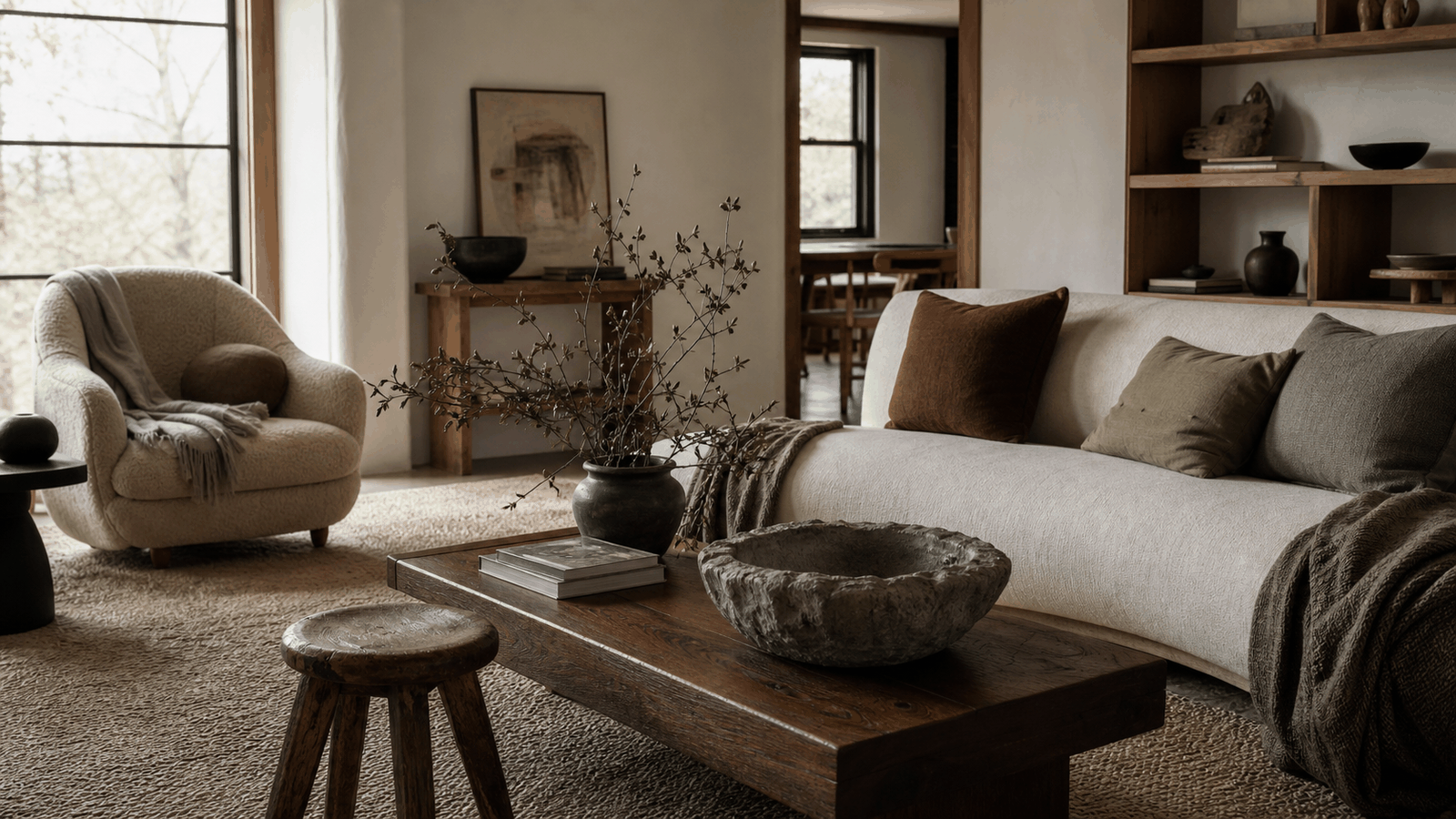
Organic Modern Home Decor Without the Showroom Look
Organic modern style works best when the room keeps its natural texture, useful contrast, and a few imperfect pieces instead of becoming a beige display.