Earth Tones at Home Beyond Just Brown �?A Palette That Actually Feels Alive
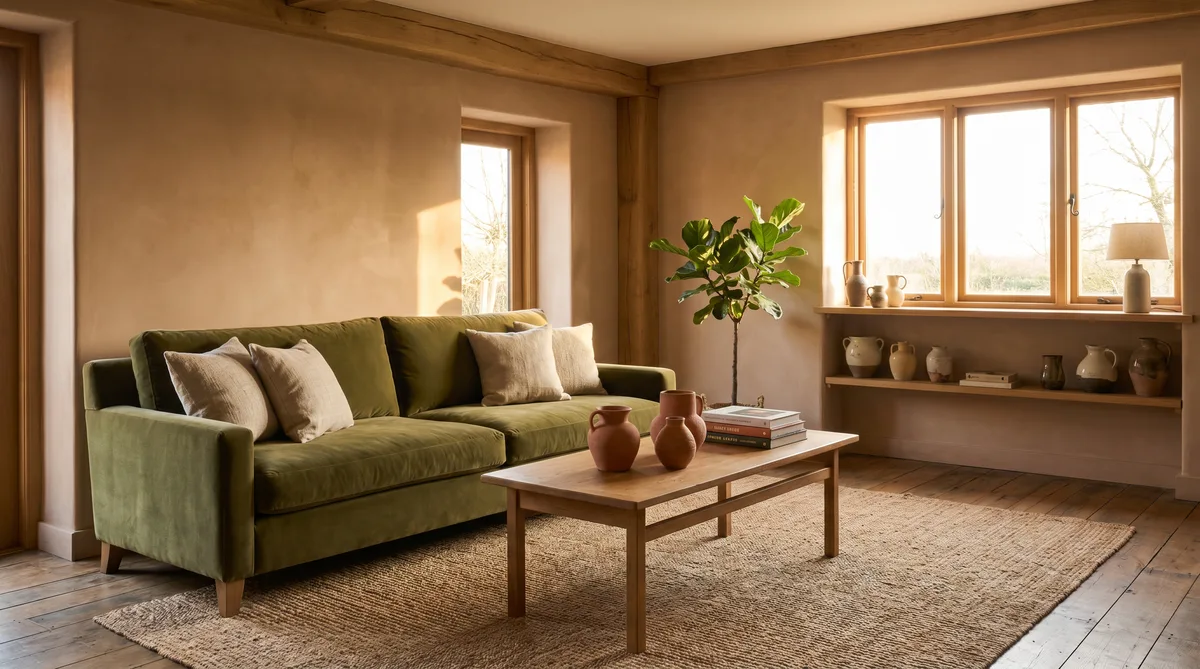
We are collectively moving away from the cool grays that dominated the last decade, embracing warmer, nature-inspired palettes. But “earth tones” is often misinterpreted as just different shades of brown and beige.
When executed poorly, an earth-tone room feels heavy, muddy, and dull. To make these colors sing, you have to look at the whole landscape, not just the dirt.
Terracotta and Clay
Brown absorbs light; terracotta reflects warmth.
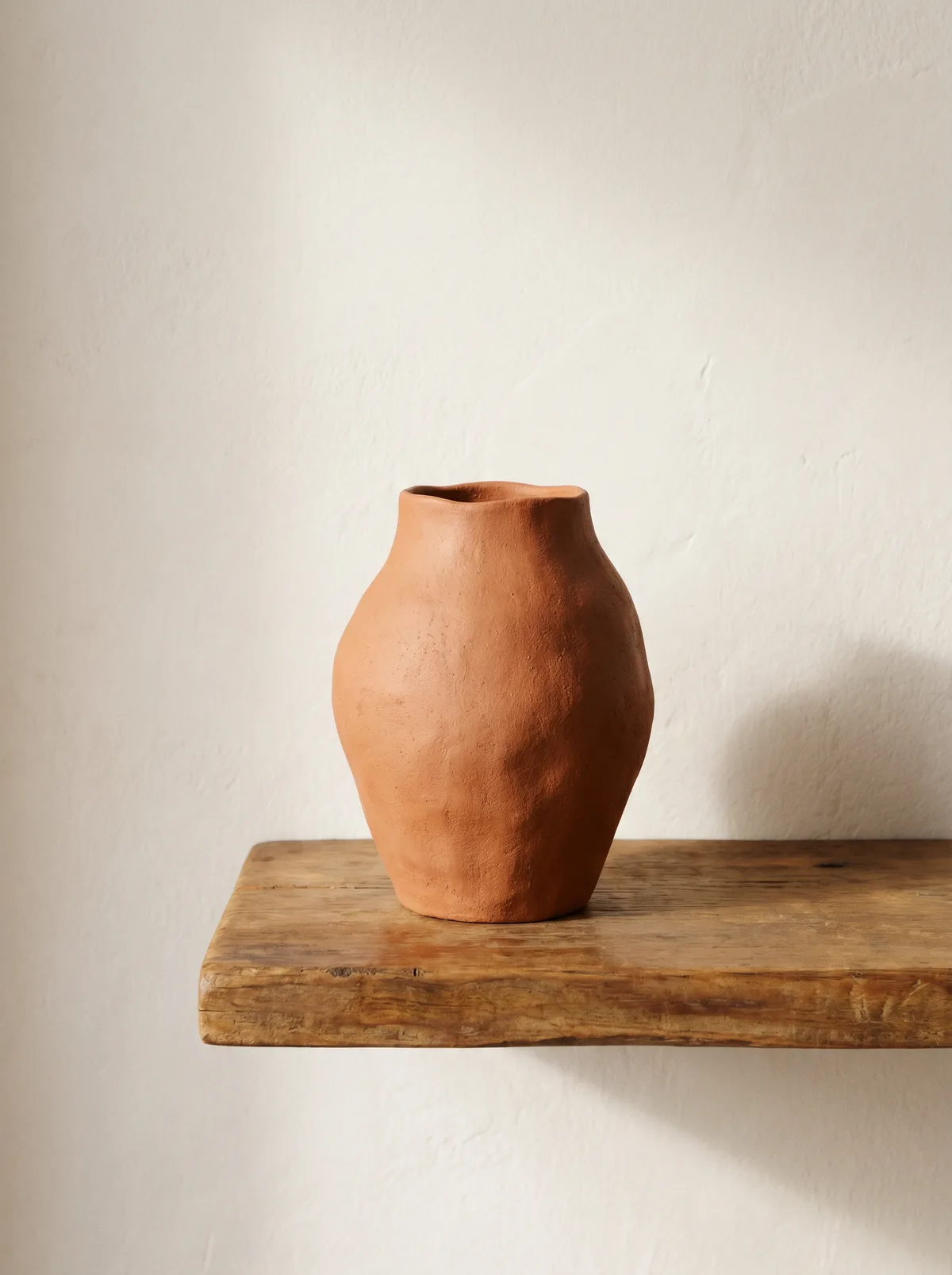
Introducing burnt orange, rust, or clay tones through ceramics or textiles adds a pulse of energy to a neutral room. It provides the warmth of red without the aggression.
The Essential Green
You cannot have earth tones without the leaves.
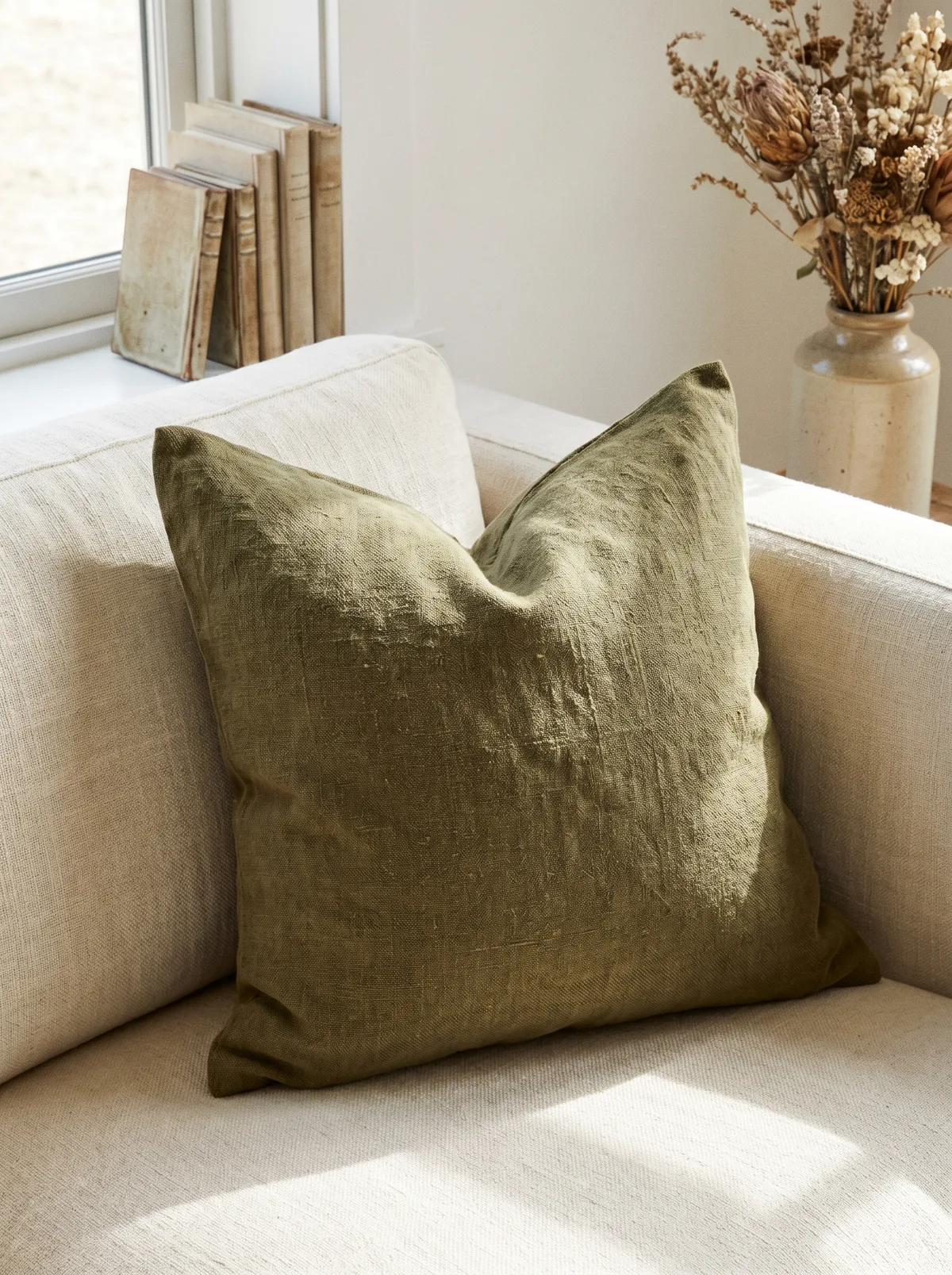
Olive, sage, and moss greens act almost as neutrals in a warm palette. A muted green linen pillow against a cream sofa bridges the gap between the indoors and the view outside the window.
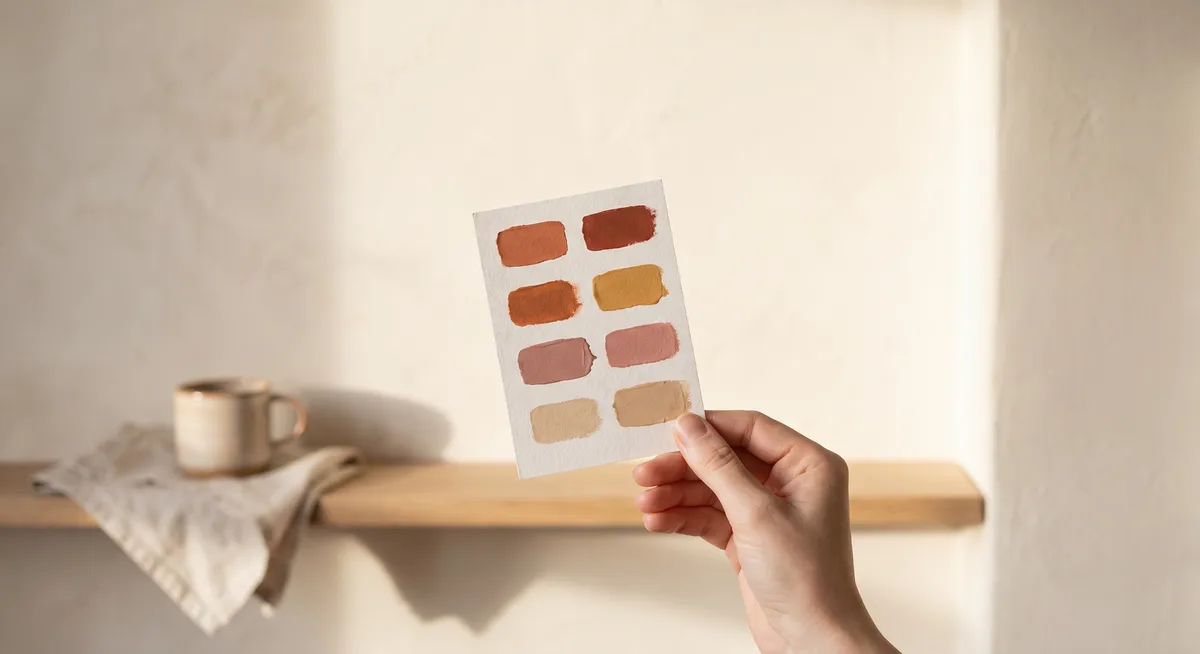
When building an earth-tone room, rely on off-whites and plaster tones for your walls, and let the rich ochres, greens, and terracottas live in the textiles, art, and objects. This keeps the space feeling grounded, but never gloomy.
You might also like
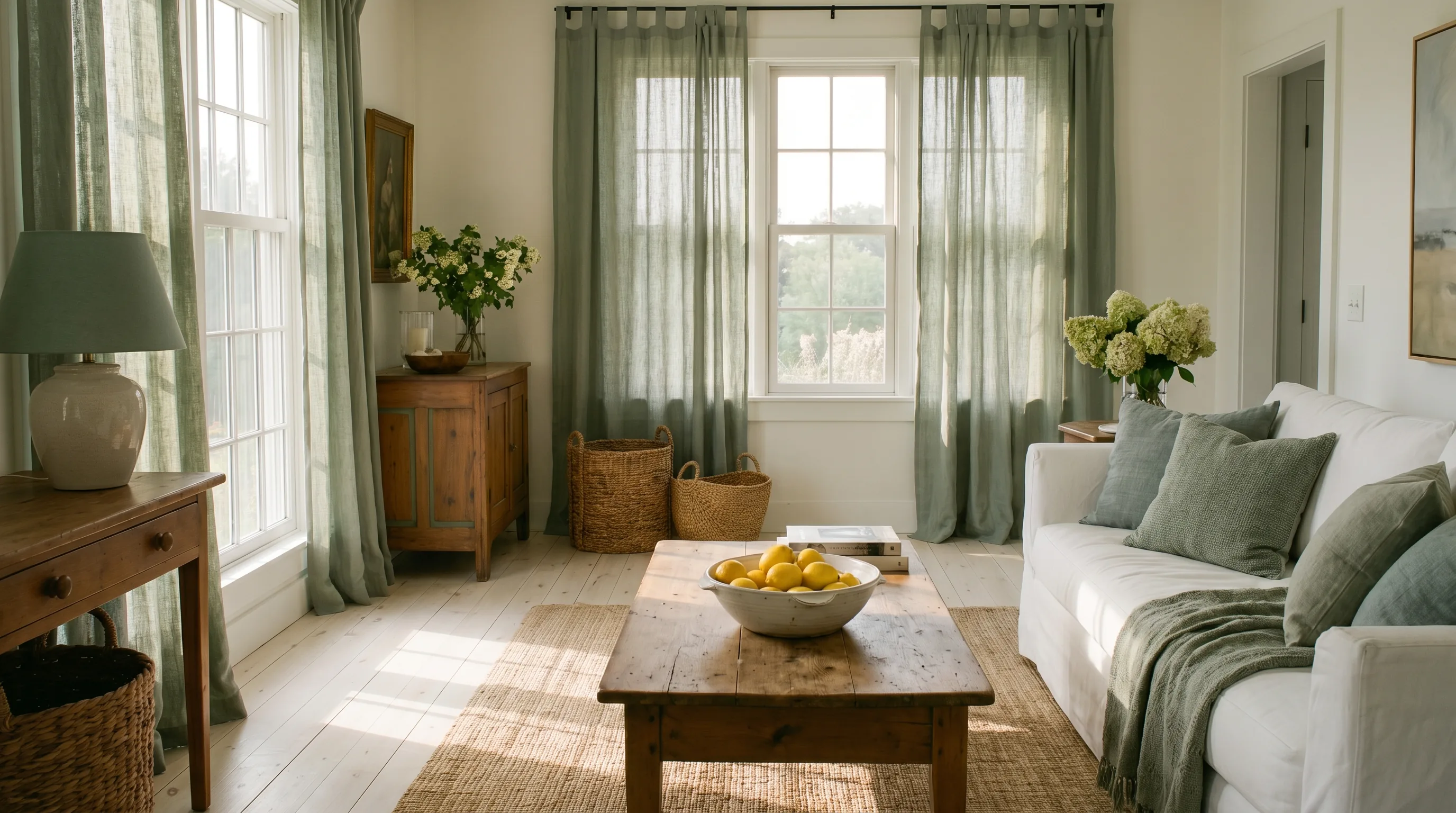
How to Use Dusty Green Without Making Your Home Look Like a Paint Sample
Dusty green is more than a trendy wall color. By treating this muted hue as a material and an atmosphere, you can ground your space without it feeling like a showroom.
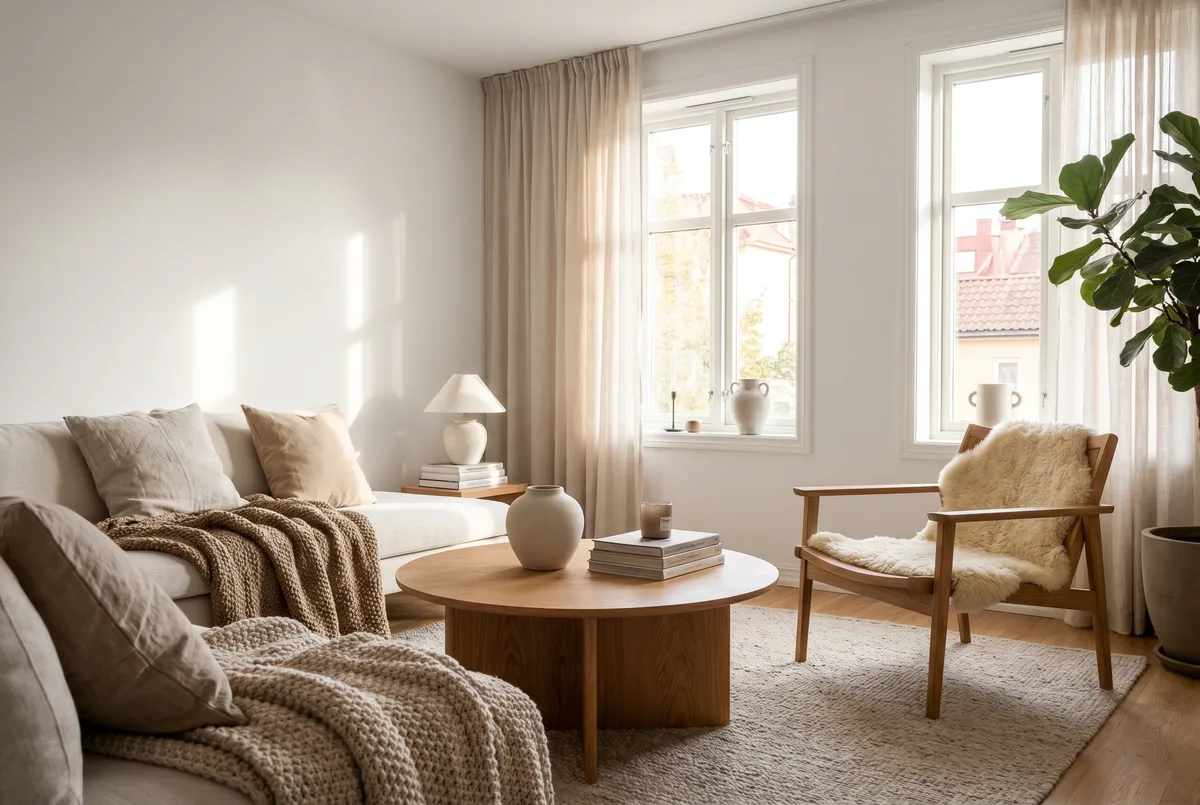
Scandinavian Style Without the Cold �?How to Keep It Warm and Lived-In
Minimalism does not have to mean sterile. Here is how to achieve the clean lines of Scandinavian design while maintaining a warm, inviting atmosphere.
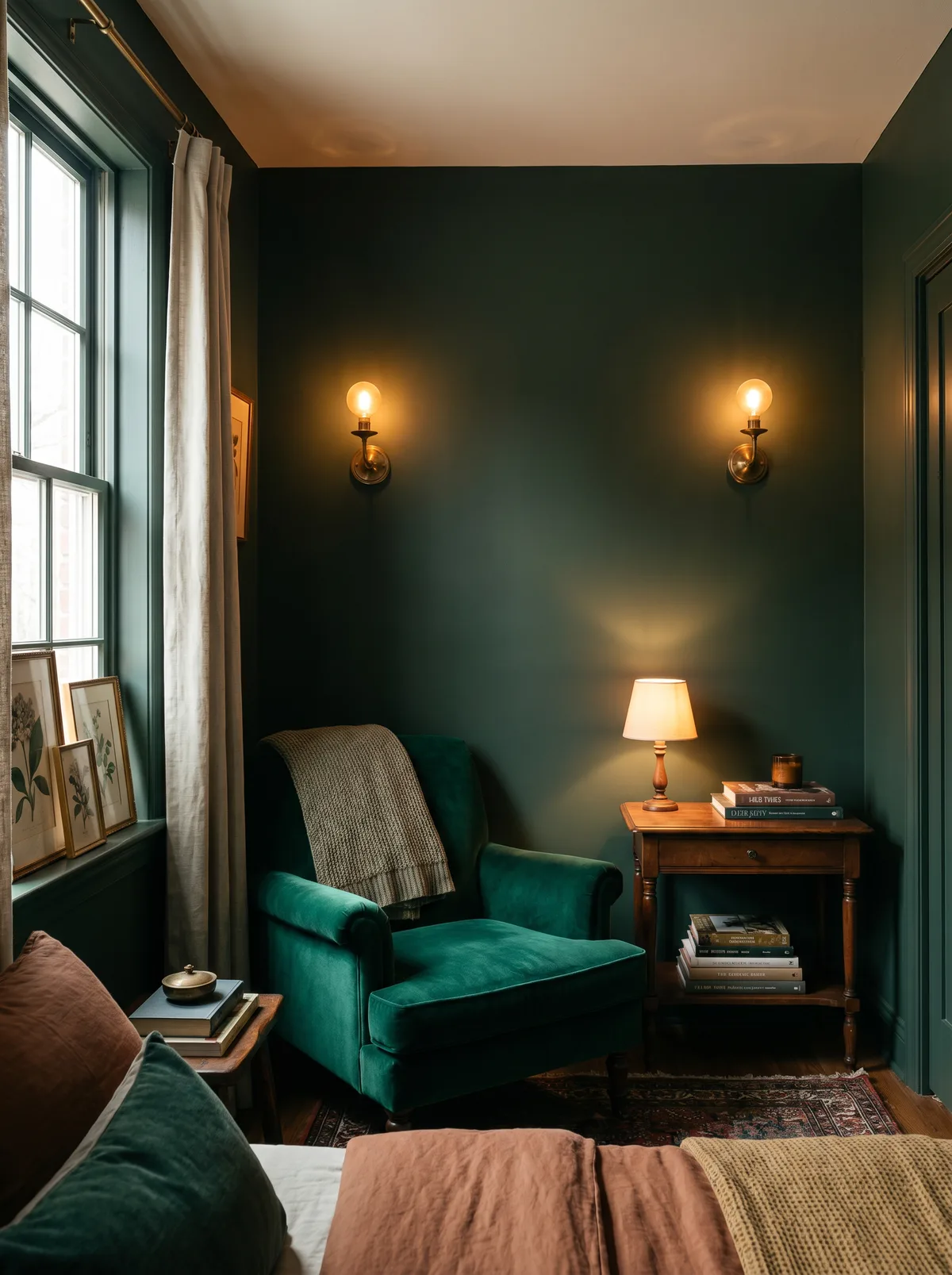
How to Do Dark Walls Without Making a Small Room Feel Like a Cave
Conventional wisdom says small rooms must be painted white. Conventional wisdom is boring. Here is how to use dark, moody paint to make a tiny space feel like a jewel box.