Japandi Style Explained �?How to Blend Scandinavian and Japanese Design at Home
The Art of Imperfect Harmony: An Introduction to Japandi Style
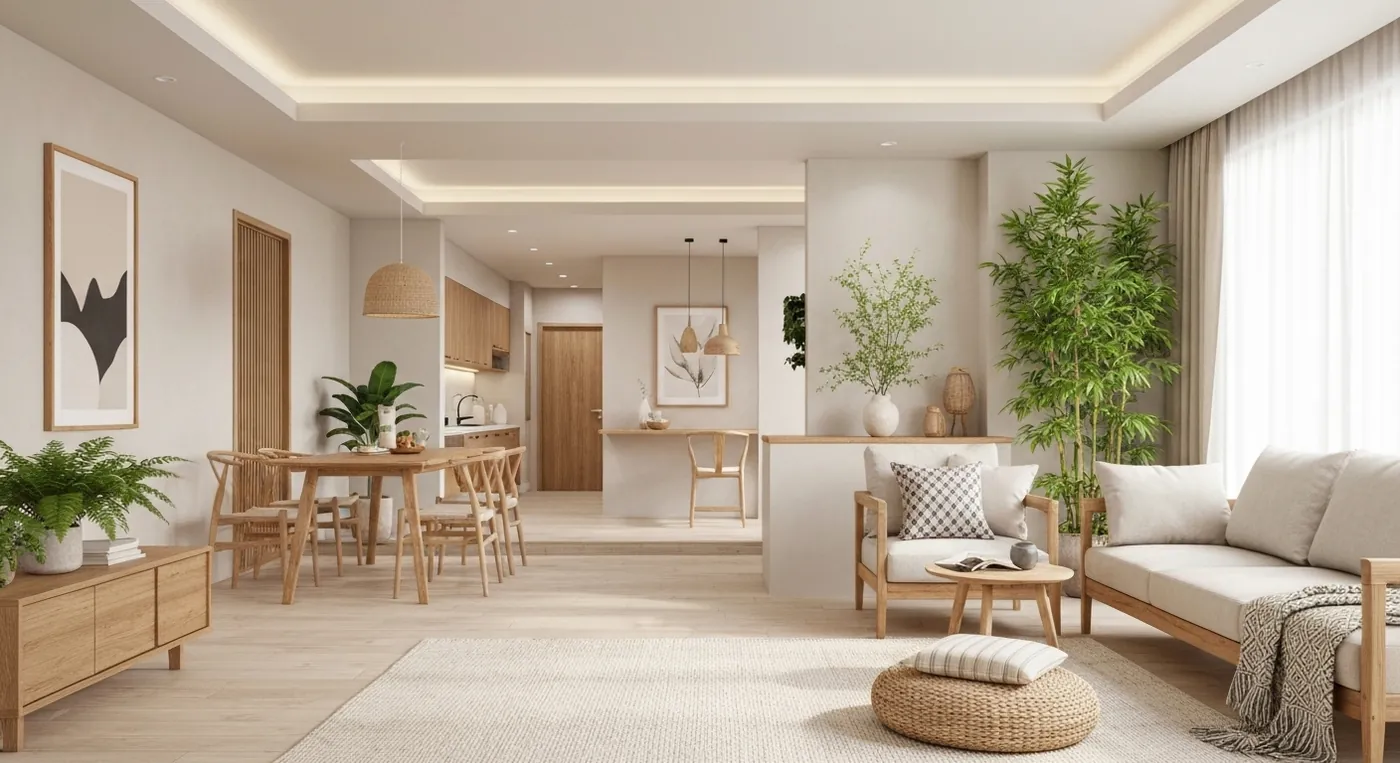
In the world of interior design, trends come and go, but some styles possess a timeless quality that transcends the fleeting fads. Japandi is one such style. A thoughtful fusion of Japanese minimalism and Scandinavian comfort, Japandi is more than just an aesthetic; it’s a philosophy for living. It’s about creating a home that is not only beautiful but also functional, calming, and deeply personal.
At its heart, Japandi design is a marriage of two complementary concepts: the Scandinavian principle of hygge and the Japanese philosophy of wabi-sabi. Hygge, a Danish term, encapsulates a feeling of coziness, contentment, and well-being. It’s the warmth of a flickering candle, the comfort of a soft blanket, and the joy of sharing a meal with loved ones. Wabi-sabi, on the other hand, is the Japanese art of finding beauty in imperfection and simplicity. It celebrates the natural lifecycle of things, the patina of age, and the authenticity of handcrafted objects.
Together, these two philosophies create a design language that is both serene and soulful. Japandi interiors are characterized by clean lines, uncluttered spaces, and a deep connection to nature. They are havens of tranquility in a chaotic world, places where you can retreat, recharge, and find your zen.
The Four Pillars of Japandi Design
To truly understand Japandi style, it’s helpful to think of it as being built on four foundational pillars. These principles will guide you in creating a home that is both stylish and sustainable, modern and timeless.
1. Minimalism & Functionality
The mantra of Japandi design is “less is more.” This isn’t about sterile, empty spaces, but rather about intentionality. Every object in a Japandi home has a purpose and a place. Clutter is eliminated, not just for the sake of tidiness, but to create a sense of calm and order. This minimalist approach extends to furniture, which is chosen for its clean lines, simple forms, and functional design. Think low-profile sofas, uncluttered surfaces, and storage solutions that are both beautiful and practical.
2. Natural Light & Open Spaces
Japandi homes are bathed in natural light. Large, unadorned windows are a key feature, allowing sunlight to flood the space and create a sense of airiness. Sheer, lightweight curtains are often used to provide privacy without blocking the light. To further enhance the feeling of spaciousness, Japandi design often incorporates open-plan living, where the kitchen, dining, and living areas flow seamlessly into one another. Mirrors are also used strategically to reflect light and create the illusion of a larger space.
3. Neutral & Earthy Color Palette
The Japandi color palette is drawn from the natural world. It’s a harmonious blend of warm and cool neutrals, such as beige, cream, tan, and gray. These soothing hues create a sense of tranquility and provide a backdrop for the natural materials and textures that are so central to the style. Accent colors are used sparingly and are also inspired by nature: muted greens, soft blues, and earthy browns. The key is to create a color scheme that is calming and cohesive, without being boring. A key feature of Japandi is the use of both light and dark wood tones to create contrast and visual interest.
4. Sustainability & Craftsmanship
In a world of fast furniture and disposable decor, Japandi design offers a more sustainable approach. The focus is on high-quality, well-crafted furniture that is built to last. Natural materials are paramount: wood (especially oak, walnut, and bamboo), rattan, linen, cotton, and wool are all staples of the Japandi home. There is also a deep appreciation for artisanal and handcrafted objects. Ceramics, terracotta, stone, and glass are used to add texture, character, and a sense of authenticity to the space. By choosing pieces that are both beautiful and durable, you can create a home that is not only stylish but also kind to the planet.
Japandi vs. Scandinavian: A Tale of Two Styles
While Japandi design owes a significant debt to its Scandinavian heritage, the two styles are not interchangeable. Understanding their key differences will help you to create a more authentic and nuanced Japandi interior. The following table highlights some of the most important distinctions:
| Feature | Japandi | Scandinavian |
|---|---|---|
| Color Palette | A sophisticated mix of warm and cool neutrals, often with darker, earthy accent tones for contrast and depth. | Primarily a cool and light color palette, with an emphasis on white, gray, and other pale hues to maximize light. |
| Use of Nature | A strong and direct connection to the natural world is central. This is expressed through the use of raw materials, large plants, and a general feeling of bringing the outdoors in. | While nature is still an important influence, the focus is more on creating a cozy and inviting atmosphere, with less emphasis on the raw, untamed elements of the natural world. |
| Wood Tones | A key feature of Japandi is the use of both light and dark wood tones. This contrast adds visual interest and a sense of drama to the space. | Scandinavian design, on the other hand, tends to favor light-colored woods such as birch, ash, and pine, which contribute to the bright and airy feel of the interiors. |
| Overall Vibe | The overall feeling is one of serenity, elegance, and understated luxury. It’s a style that is both calming and sophisticated. | The emphasis is on creating a space that is cozy, comfortable, and inviting. The vibe is more relaxed and informal than that of Japandi. |
How to Bring Japandi Style into Your Home: A Room-by-Room Guide
Now that you have a solid understanding of the principles of Japandi design, it’s time to start thinking about how you can apply them to your own home. This room-by-room guide will provide you with some practical tips and inspiration to get you started.
Living Room
The living room is the heart of the home, and it’s the perfect place to showcase your Japandi style. The key is to create a space that is both comfortable and uncluttered, a place where you can relax and entertain in equal measure.
- Furniture: Start with a low-profile sofa with clean lines and a neutral-colored fabric. A minimalist coffee table, such as a Noguchi-inspired design, will provide a focal point without overwhelming the space. A statement armchair in a contrasting color or texture can add a touch of personality.
- Decor: Less is more when it comes to Japandi decor. A few carefully chosen pieces will have a much greater impact than a cluttered collection of knick-knacks. Think textured throws and cushions in natural materials, a few well-placed plants (a bonsai tree or a fiddle leaf fig would be perfect), and some handmade pottery.
- Lighting: Lighting is key to creating the right atmosphere. Paper lanterns will cast a soft, diffused glow, while a minimalist floor lamp can provide more focused light for reading.
Bedroom
The bedroom should be a sanctuary, a place where you can escape the stresses of the day and recharge your batteries. The Japandi style is perfectly suited to creating a calm and restful bedroom environment.
- Furniture: A low-slat bed frame in a natural wood finish is the perfect centerpiece for a Japandi bedroom. Simple, unadorned nightstands will provide a place for a lamp and a book, without adding to the visual clutter.
- Bedding: Natural linen or cotton bedding in a neutral color palette will create a sense of calm and comfort. Layer different textures to add visual interest.
- Storage: Wicker baskets are a great way to store extra blankets and pillows, while a minimalist wardrobe will provide ample storage for your clothes without dominating the room.
Kitchen & Dining
The kitchen and dining area is a place for gathering and nourishment. The Japandi style can help you to create a space that is both functional and beautiful, a place where you can enjoy preparing and sharing meals with family and friends.
- Furniture: A simple wooden dining table and chairs are the cornerstone of a Japandi dining room. The iconic Wishbone chair, with its elegant curves and natural materials, is a perfect choice.
- Tableware: Ceramic plates and bowls in earthy tones will add a touch of rustic charm to your table. Minimalist glassware and simple, unadorned cutlery will complete the look.
- Decor: A single branch in a vase or a simple bowl of fruit is all you need to add a touch of natural beauty to your dining area.
Our Picks: Your Japandi Starter Kit
To help you begin your Japandi journey, we’ve curated a selection of furniture and decor that perfectly embodies the style’s principles of quality, simplicity, and natural beauty. These pieces are investments that will bring a sense of calm and sophistication to your home for years to come.
Furniture
- The Bed: Castlery Dawson Bed
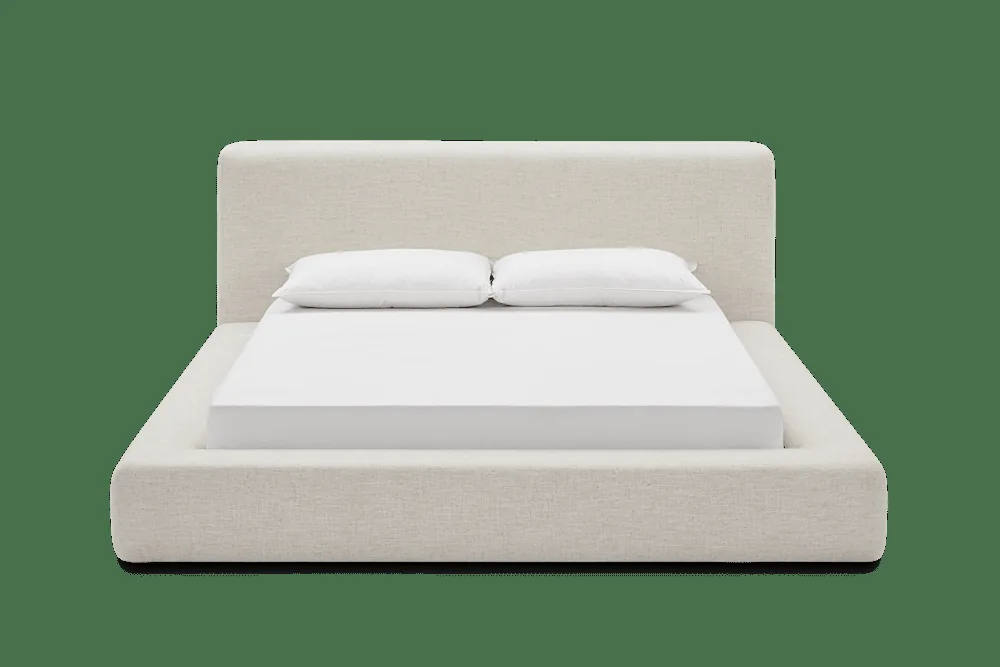
A quintessential piece for a Japandi bedroom, the Dawson Bed from Castlery features a low-profile platform and a clean, minimalist design that promotes a sense of tranquility. Its solid wood frame ensures durability, making it a timeless centerpiece.

*   **Price:** Around $1,299
*   **Best for:** Creating a serene and uncluttered bedroom sanctuary.
* [Check price on Castlery](https://www.castlery.com/us/products/dawson-bed)- The Dining Table: Castlery Vincent Dining Table
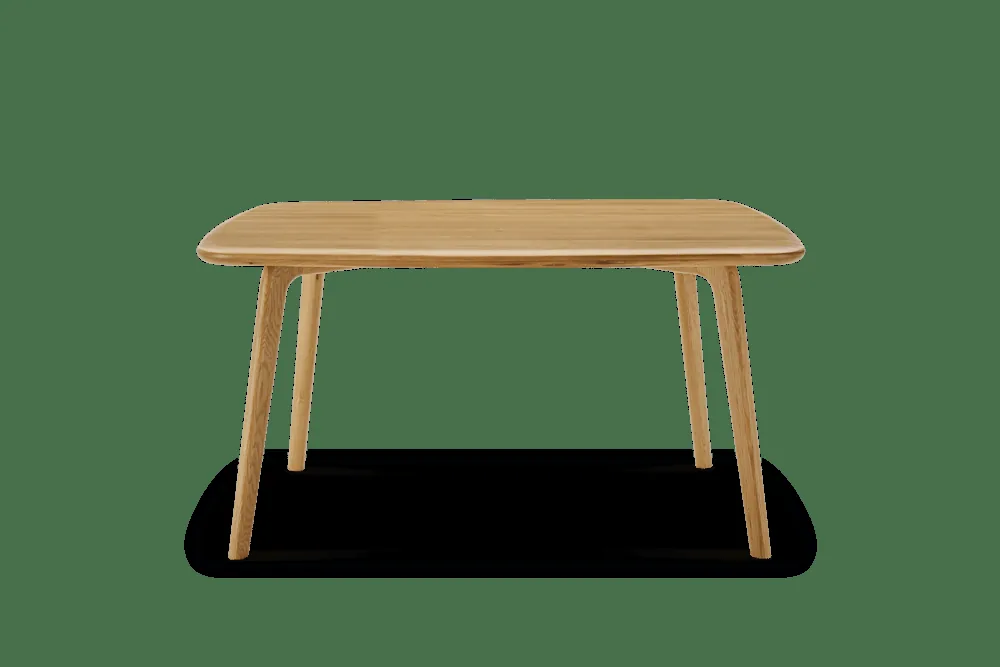
Crafted from solid oak, the Vincent Dining Table is a beautiful example of Japandi craftsmanship. Its slim tabletop and clean lines create an elegant and understated focal point for your dining area, perfect for both everyday meals and special gatherings.

*   **Price:** Around $799
*   **Best for:** Anchoring your dining space with a piece that is both functional and beautiful.
* [Check price on Castlery](https://www.castlery.com/us/products/vincent-dining-table-oak)- The Coffee Table: Akari Noguchi Coffee Table Replica
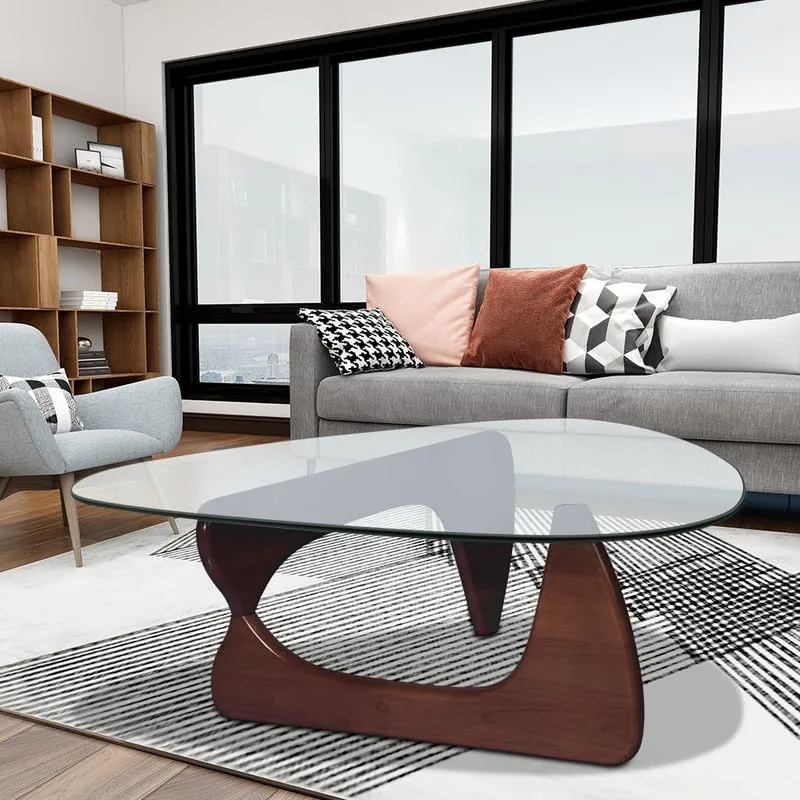
An icon of mid-century modern design, the Noguchi coffee table’s organic shape and blend of wood and glass make it a natural fit for a Japandi living room. It is both a functional surface and a sculptural work of art.

*   **Price:** $300 - $500
*   **Best for:** Adding a touch of iconic design and sculptural beauty to your living room.
* [Check price on Amazon](https://www.amazon.com/s?k=noguchi+table+replica)- The Chair: Hans Wegner Wishbone Chair Replica

The Wishbone Chair is a masterpiece of Danish design. Its graceful curves, woven seat, and natural wood frame epitomize the elegance and comfort of the Japandi aesthetic. It works beautifully as a dining chair or a standalone accent piece.

*   **Price:** $200 - $400
*   **Best for:** Adding a touch of timeless elegance and ergonomic comfort to any room.
*   [Check price on Amazon](https://www.amazon.com/s?k=wishbone+chair+replica)
Decor
- The Bedding: MUJI Linen Bedding

Experience the simple luxury of natural linen with MUJI's bedding collection. Available in a range of soft, neutral colors, these sheets are breathable, comfortable, and get softer with every wash, perfectly embodying the wabi-sabi principle of appreciating the beauty of age.

*   **Price:** $100 - $200
*   **Best for:** A comfortable, breathable, and effortlessly stylish bed.
* [Check price on MUJI](https://www.muji.us/collections/bedding)- The Greenery: The Sill Plants
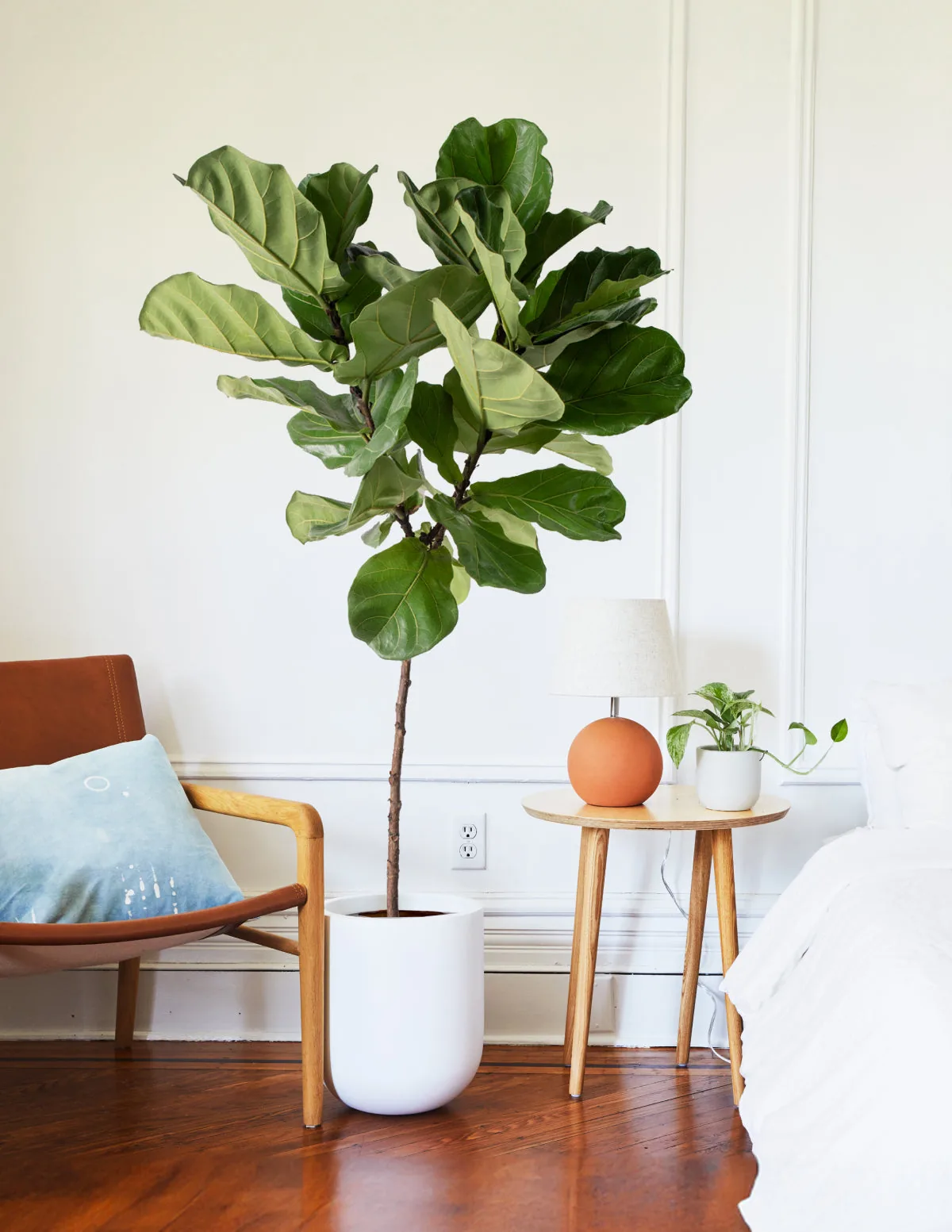
Bring the outdoors in with a curated selection of houseplants from The Sill. From a statement-making Fiddle Leaf Fig to a delicate Bonsai, adding greenery is one of the easiest ways to infuse your home with the natural vitality of Japandi style.

*   **Price:** $50 - $150
*   **Best for:** Purifying the air and adding a touch of natural beauty to your space.
* [Check price on The Sill](https://www.thesill.com/)- The Tableware: Heath Ceramics

Elevate your everyday meals with handcrafted ceramics from Heath. Their pieces are known for their simple, organic forms and beautiful glazes. Each piece is unique, celebrating the wabi-sabi ideal of imperfect beauty.

*   **Price:** $30 - $100 per piece
*   **Best for:** Adding an artisanal touch to your dining experience.
*   [Check price on Heath Ceramics](https://www.heathceramics.com/)
Conclusion: Finding Your Zen
Japandi is more than just a design trend; it’s a mindful approach to creating a home that nurtures your well-being. By blending the cozy comfort of Scandinavian hygge with the simple, imperfect beauty of Japanese wabi-sabi, you can create a space that is both a stylish sanctuary and a reflection of your personal values. It’s about choosing quality over quantity, embracing natural materials, and finding joy in the simple, everyday moments.
As you embark on your own Japandi journey, remember that the goal is not to achieve perfection, but to create a home that feels authentic and personal to you. Let the principles of minimalism, functionality, and sustainability guide your choices, but don’t be afraid to infuse your own personality and style into the mix. The result will be a home that is not only beautiful and calming but also a true expression of who you are.
You might also like
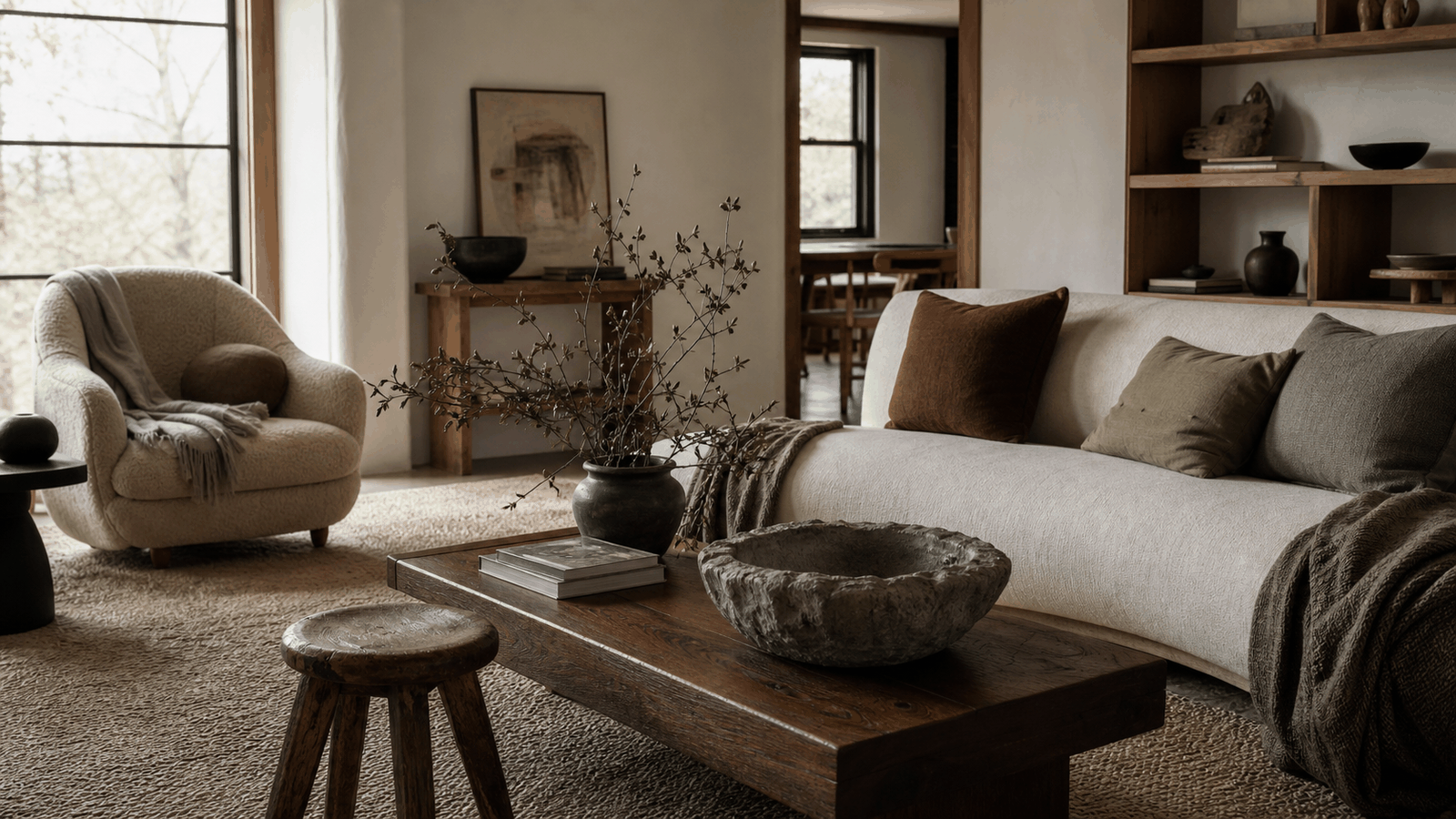
Organic Modern Home Decor Without the Showroom Look
Organic modern style works best when the room keeps its natural texture, useful contrast, and a few imperfect pieces instead of becoming a beige display.
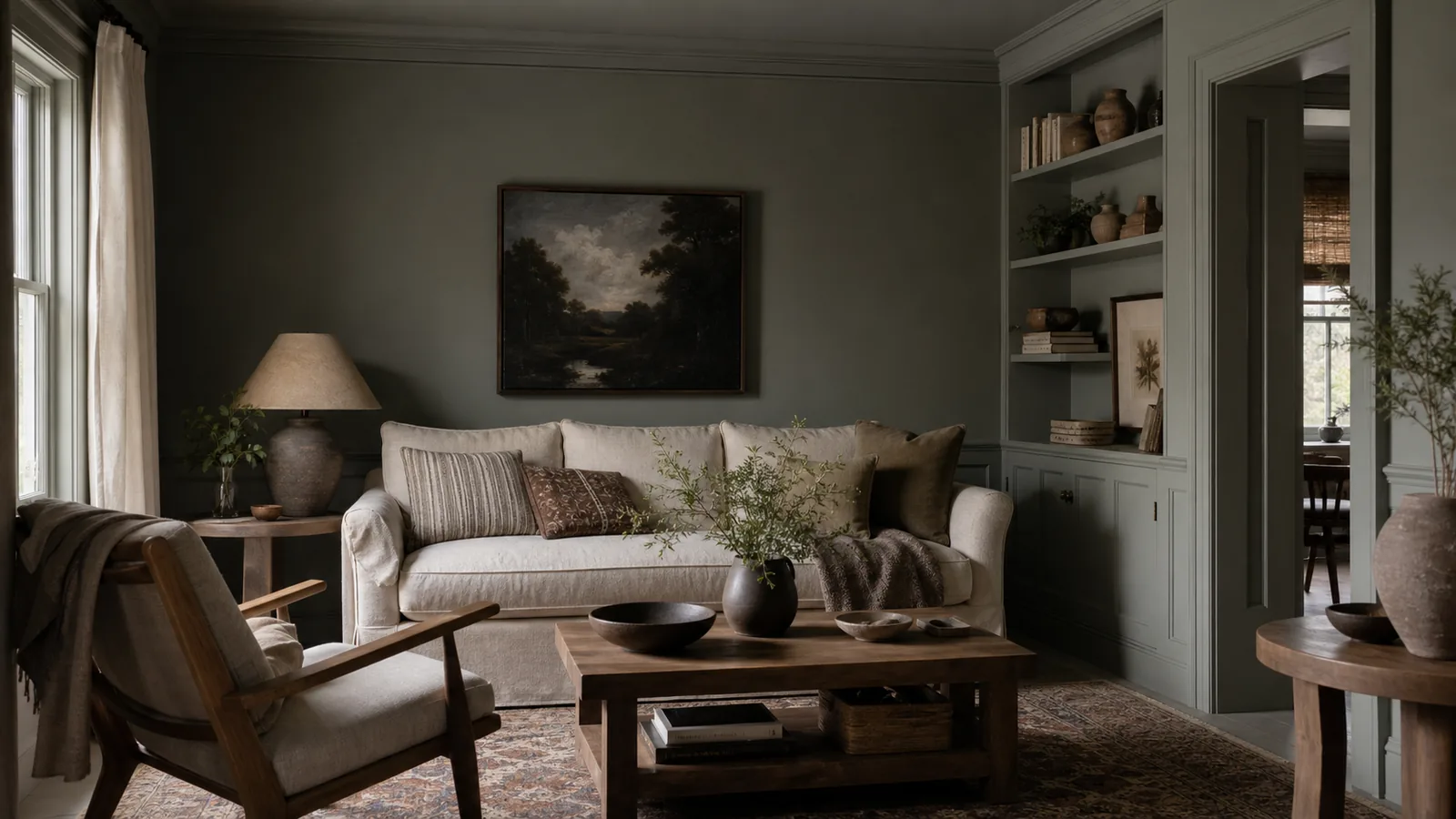
Color Drenching at Home Without Making the Room Feel Flat
Color drenching works best when it creates depth, not just coverage. The room still needs shadow, texture, contrast, and a few places where the eye can rest.
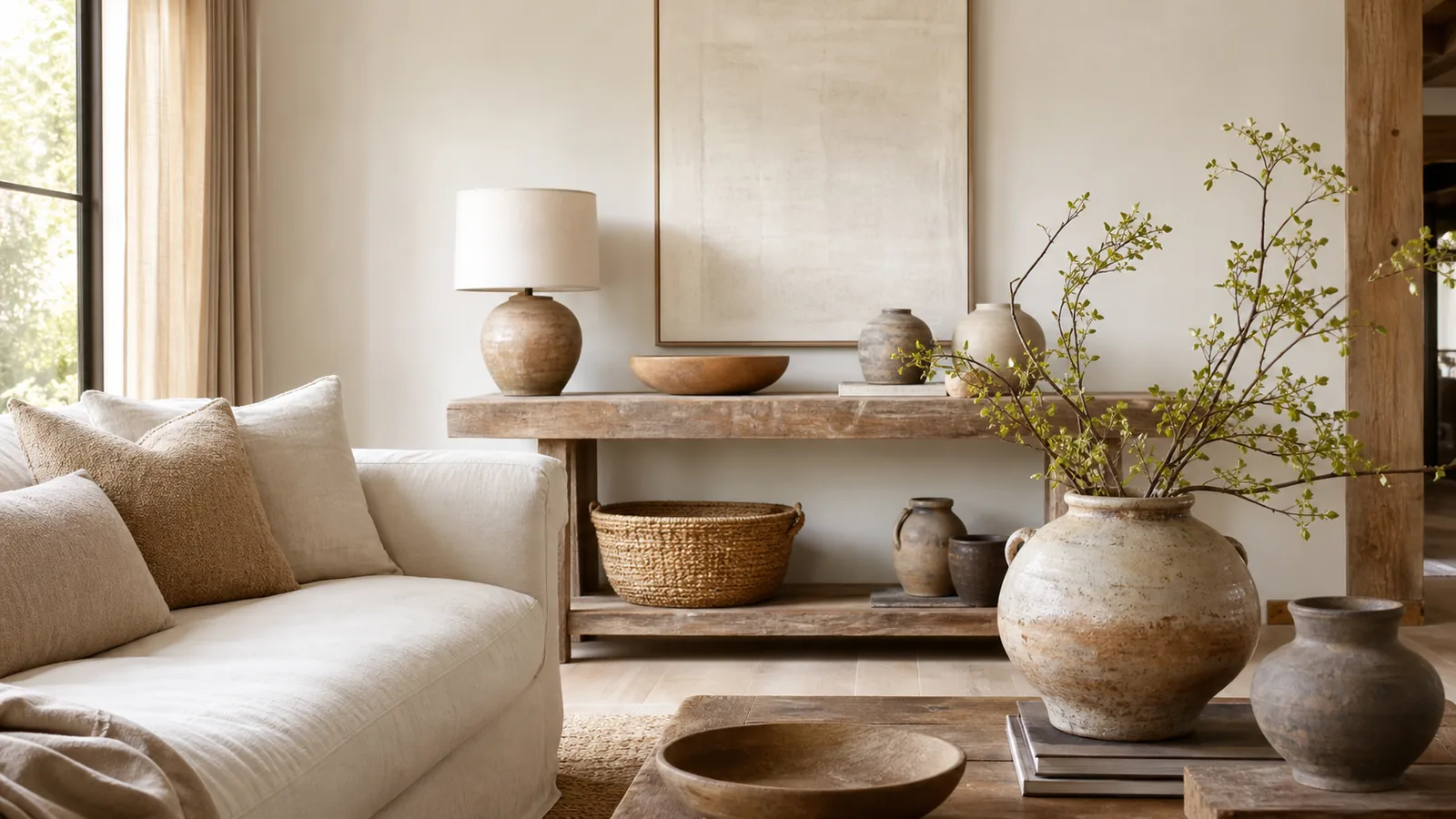
Rustic Home Decorations That Add Warmth Without Making a Room Feel Heavy
Rustic home decorations work best when they add texture, usefulness, and age without filling every surface or darkening the whole room.