The New Traditional Living Room Only Works If You Let One Piece Be a Little Wrong
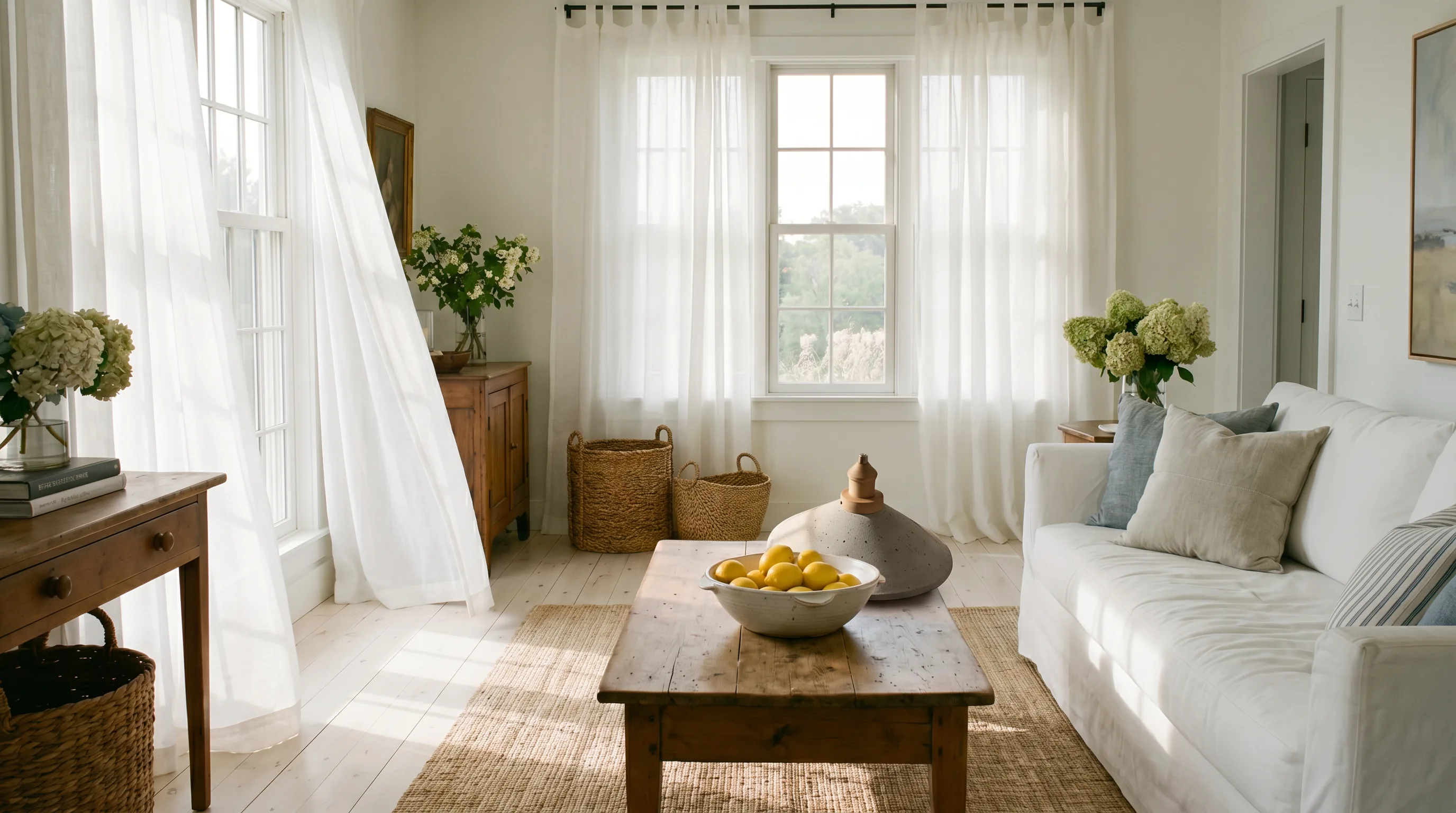
The Problem with Perfection
There is a distinct moment when a traditional living room crosses the line from well-appointed to suffocating. It usually happens right after the matching silk throw pillows arrive to coordinate with the custom drapery. When every wood tone aligns, every fabric references another, and every silhouette belongs to the same historical period, the room stops being a place to read the Sunday paper and becomes a stage set waiting for actors who never arrive.
The most compelling classic interiors—the ones that feel inherited rather than installed—always harbor a secret. They contain at least one piece that is objectively, stubbornly wrong.
The Theory of the Tension Piece
Designers often refer to this as the tension piece. It is the element that disrupts the relentless good taste of a room, forcing the eye to pause and re-evaluate the space. Without it, a traditional room reads as flat.
Consider a space anchored by a pristine George Smith roll-arm sofa and flanked by mahogany end tables. If you drop a matched pair of wingback chairs opposite the sofa, the room closes in on itself. But replace those wingbacks with a brutalist steel stool, a 1970s Italian leather sling chair, or a slightly battered mid-century credenza, and suddenly the roll-arm sofa looks less like a prop and more like a deliberate choice.
The “wrong” piece acts as a palate cleanser. It gives the traditional elements room to breathe.
How to Get It Wrong, Correctly
Introducing friction into a room requires a bit of calculation. You cannot simply drag a plastic lawn chair into a formal parlor and call it tension. The off-note piece needs to possess its own structural integrity or material weight.
Scale and Silhouette
If your room is dominated by heavy, upholstered pieces with skirts and soft curves, the disruptive element should be skeletal and sharp. A vintage Wassily Chair or a minimal wrought-iron side table cuts through the visual bulk of traditional upholstery.
Material Contrast
Classic rooms rely heavily on polished woods, brass, and woven textiles. To break this up, introduce materials that feel industrial or distinctly modern. A chunk of unpolished travertine used as a plinth, a highly reflective chrome floor lamp, or a piece of heavily textured, brutalist ceramic can immediately loosen up a rigid furniture plan.
The Era Clash
The easiest way to introduce an off-note is through a jarring shift in timeline. A room full of 19th-century antiques practically begs for a piece of stark, 1980s post-modernism. The friction between a highly ornate gilded mirror and a matte black, geometric console table creates a dialogue that matched periods simply cannot achieve.
Sourcing the Disruption
Finding the right tension piece often means looking outside your usual sourcing channels. If you buy your foundational upholstery from heritage brands, do not buy your accent pieces there.
Instead, scour local estate sales for heavily patinated modernism, or look to contemporary industrial designers. A machined aluminum side table might feel entirely out of place in a showroom setting, but slipped next to a chintz-covered armchair, it becomes the most interesting thing in the room.
The goal is not to abandon traditional design, but to rescue it from its own rigidity. By allowing one piece to break the rules, you give the rest of the room permission to simply be lived in.
You might also like
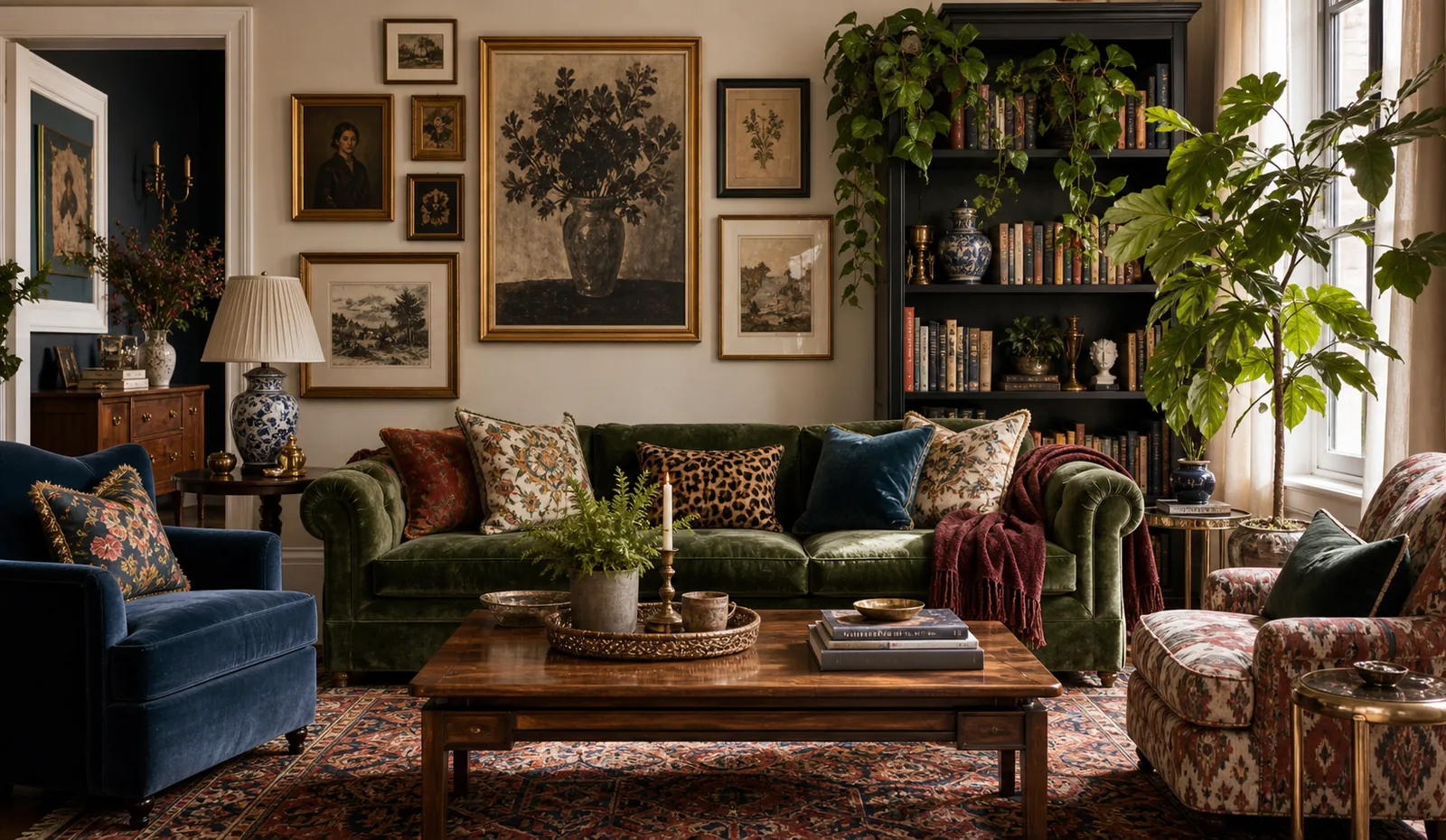
Maximalist Home Decor That Looks Layered Instead of Loud
Maximalist home decor works best when it builds rhythm, repeats a few colors, and gives the eye places to rest.
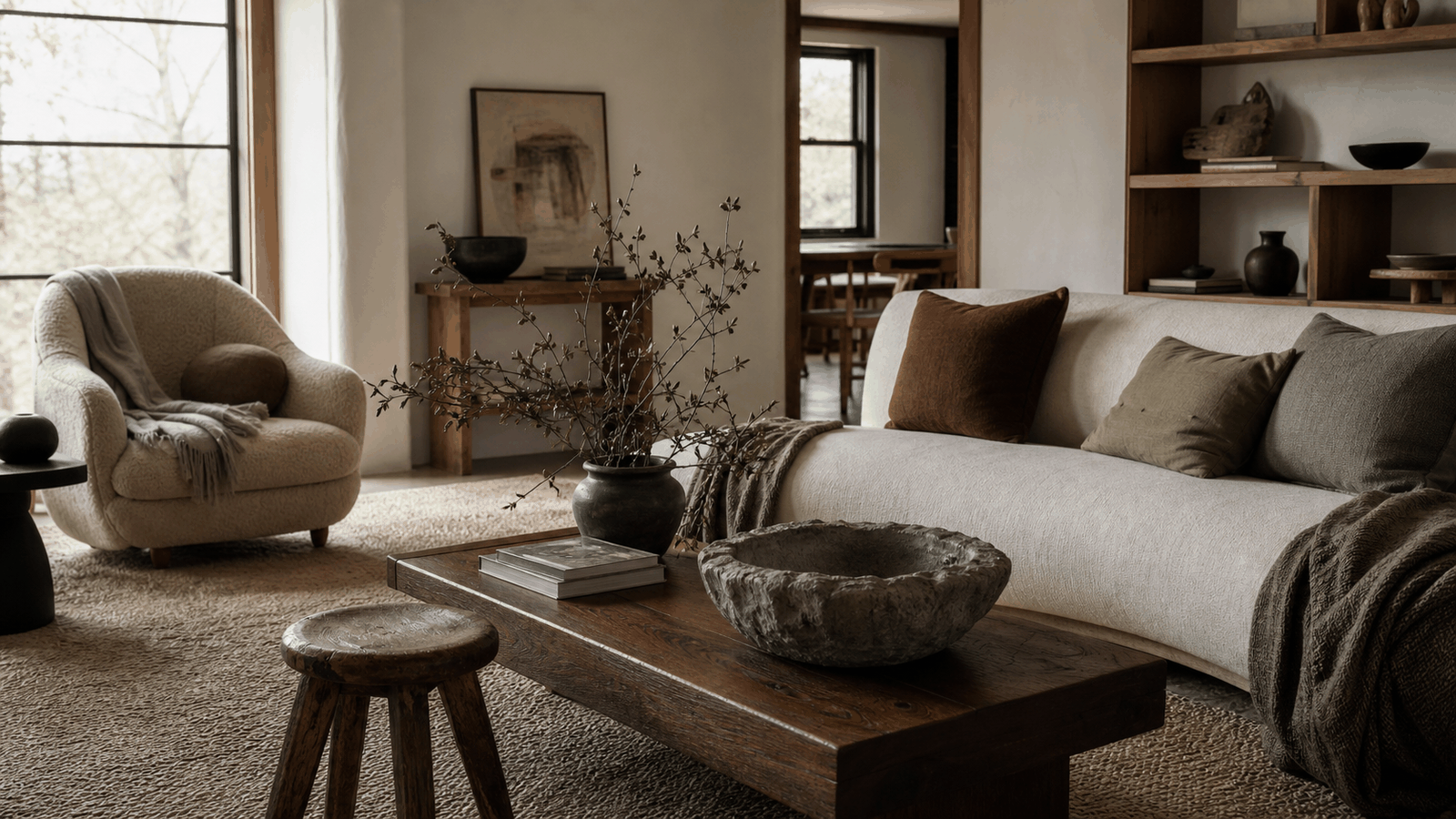
Organic Modern Home Decor Without the Showroom Look
Organic modern style works best when the room keeps its natural texture, useful contrast, and a few imperfect pieces instead of becoming a beige display.
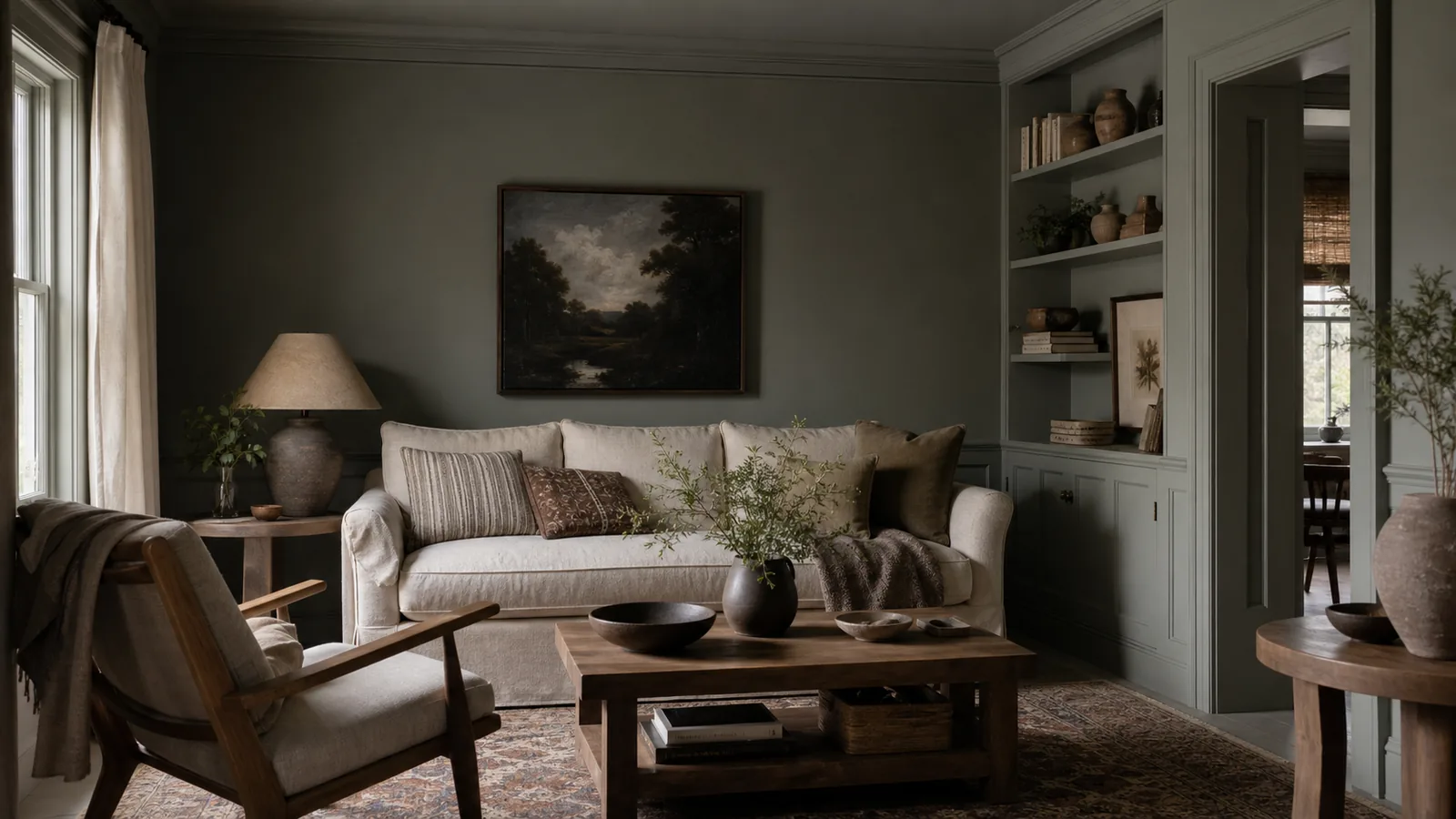
Color Drenching at Home Without Making the Room Feel Flat
Color drenching works best when it creates depth, not just coverage. The room still needs shadow, texture, contrast, and a few places where the eye can rest.