Scandinavian Style Without the Cold �?How to Keep It Warm and Lived-In
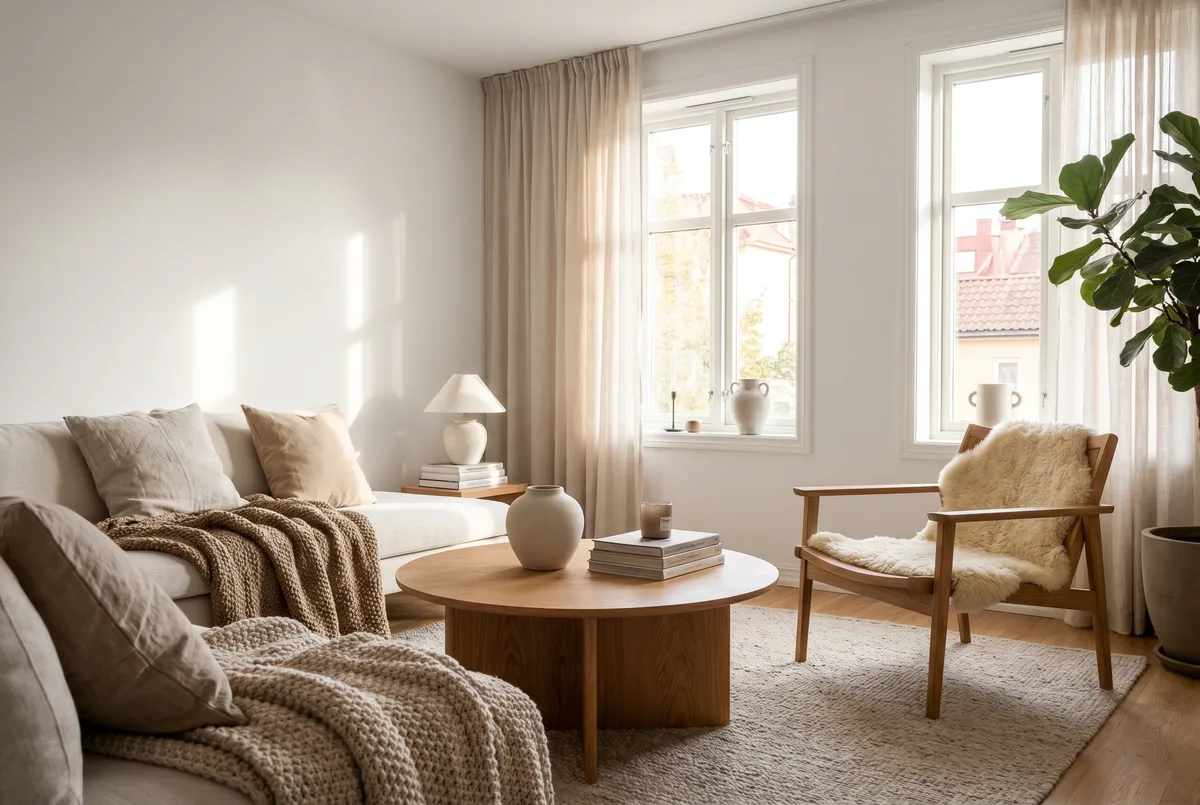
Scandinavian design is famous for its clean lines, white walls, and functional simplicity. But in translation, it often becomes stark and clinical—rooms that look beautiful in a magazine but feel too fragile to actually live in.
True Nordic design is rooted in the concept of ‘hygge’—a deep sense of coziness and comfort during long, dark winters. If your minimalist space feels cold, it is missing texture.
The Power of Sheepskin
In a room with straight lines and smooth surfaces, you need something wild and organic to break the tension.
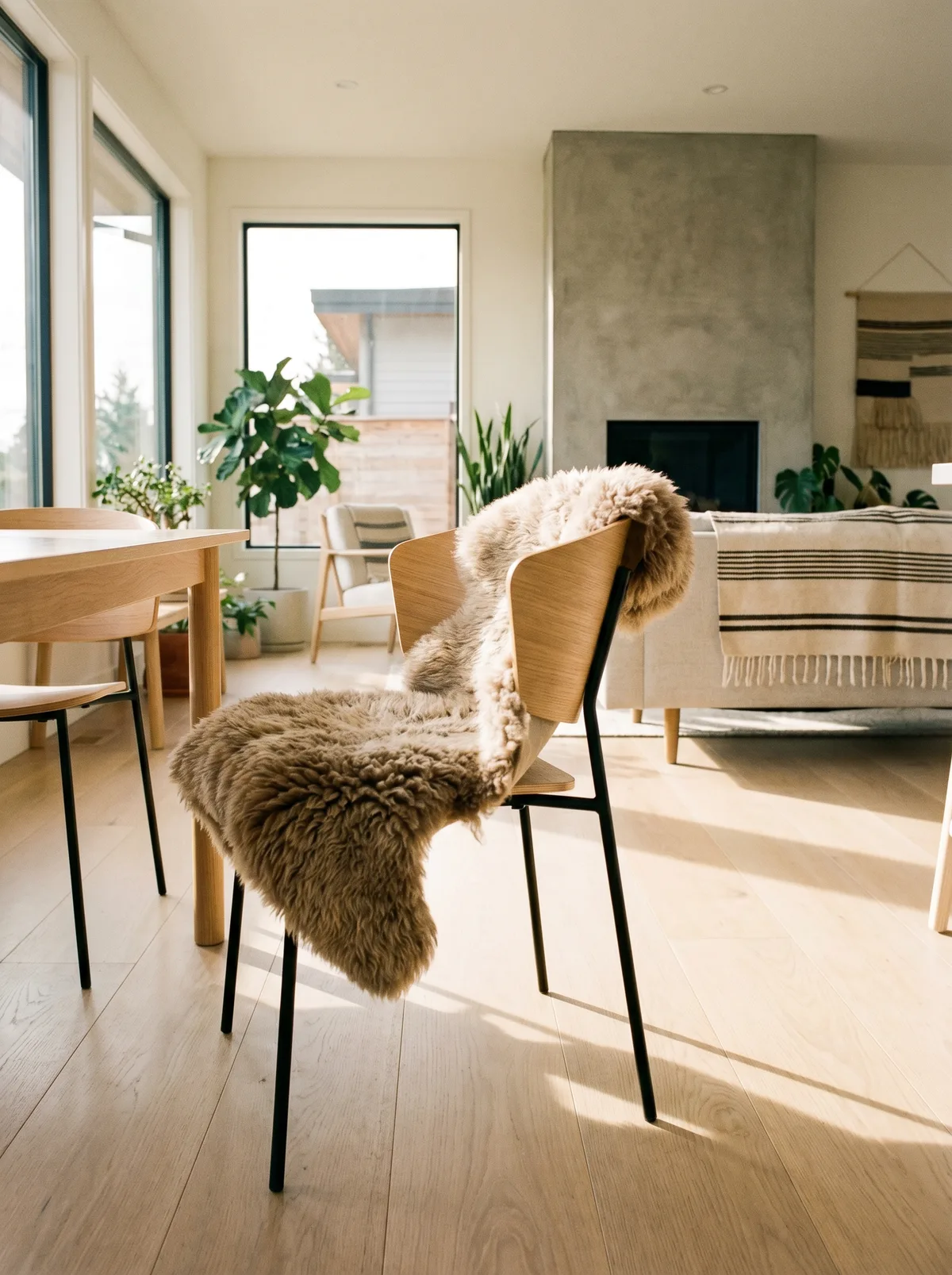
Draping a natural sheepskin over a rigid dining chair or a sleek modern sofa instantly softens the architecture of the furniture. It invites you to sit down rather than just look at it.
Warm Wood Tones
White walls require contrast to prevent them from looking like a hospital corridor.
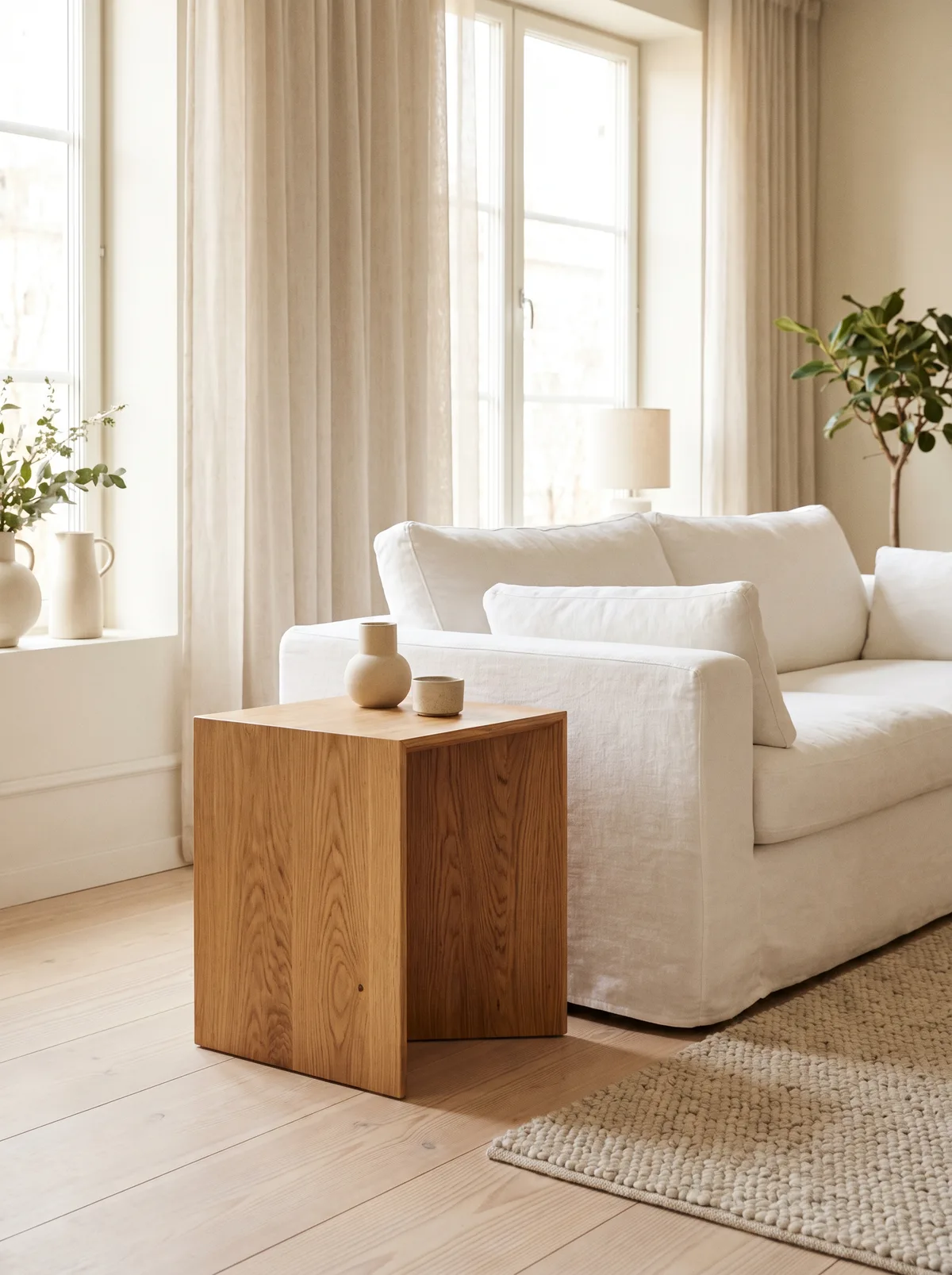
Introduce natural oak, walnut, or teak through small accent pieces like a side table or a wooden bowl. The grain of the wood provides visual warmth and grounds the floating, airy feeling of a white room.
Scandinavian style is not about having nothing; it is about having exactly what you need, and making sure those few things feel incredibly good to use.
You might also like
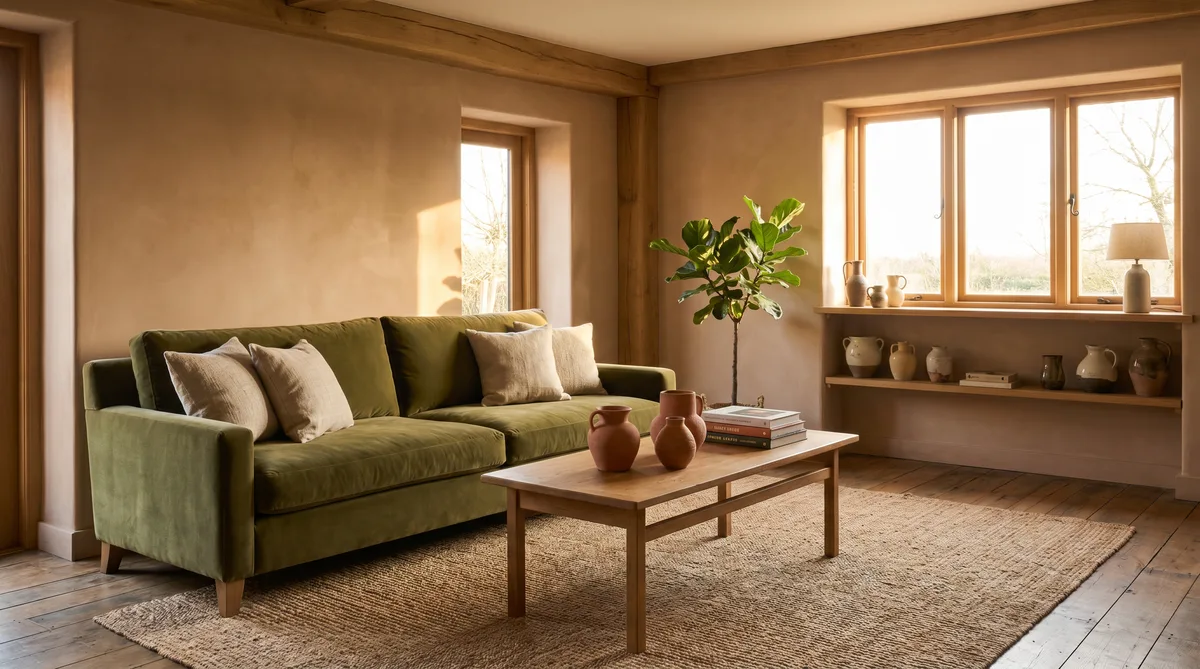
Earth Tones at Home Beyond Just Brown �?A Palette That Actually Feels Alive
Earth tones are trending, but a room full of beige and brown can quickly feel muddy. Here is how to use terracotta, olive, and clay to build a vibrant natural palette.
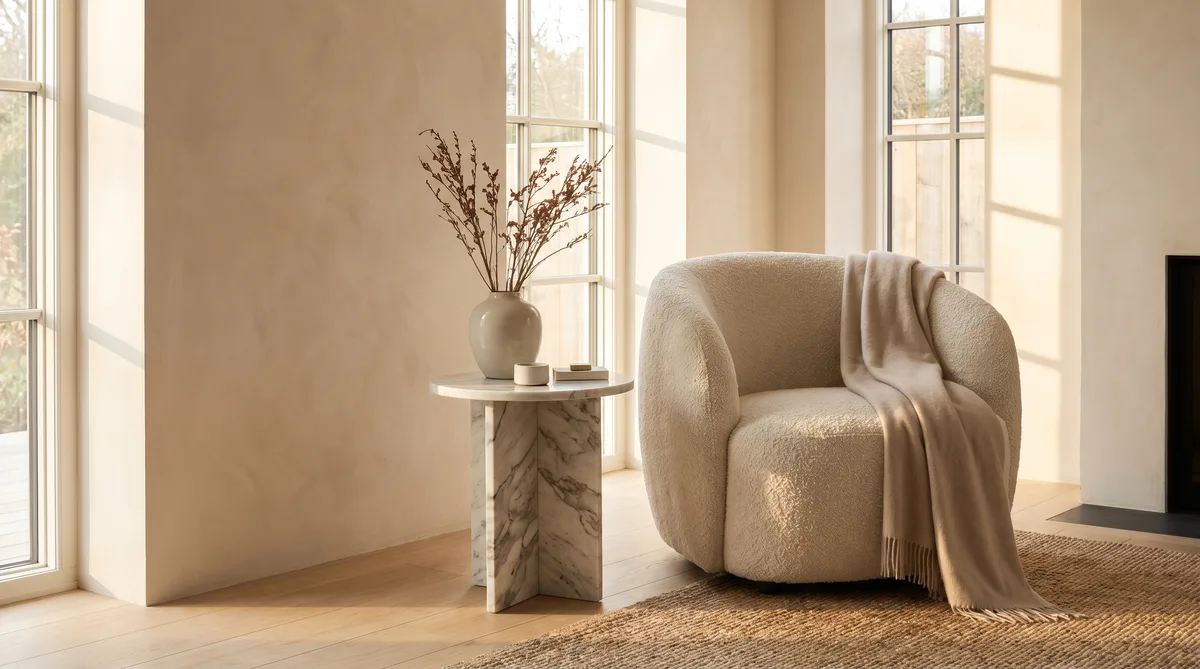
The Quiet Luxury Look at Home �?What It Actually Takes Beyond Beige
The 'quiet luxury' trend is everywhere, but executing it at home requires more than just buying beige furniture. It is about texture, restraint, and the quality of the materials.
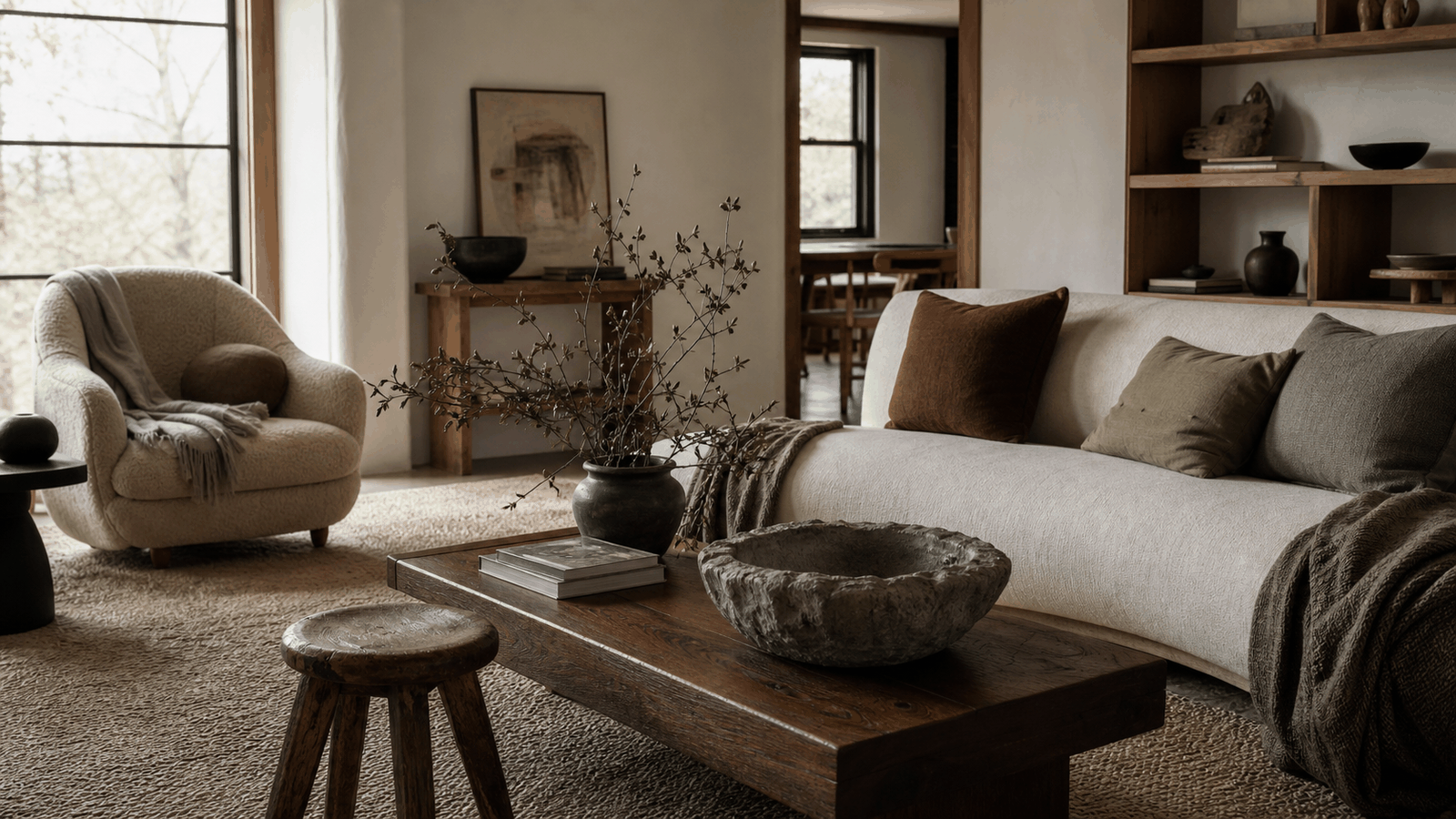
Organic Modern Home Decor Without the Showroom Look
Organic modern style works best when the room keeps its natural texture, useful contrast, and a few imperfect pieces instead of becoming a beige display.