How to Balance Vintage and Modern Pieces Without Making the Room Feel Themed
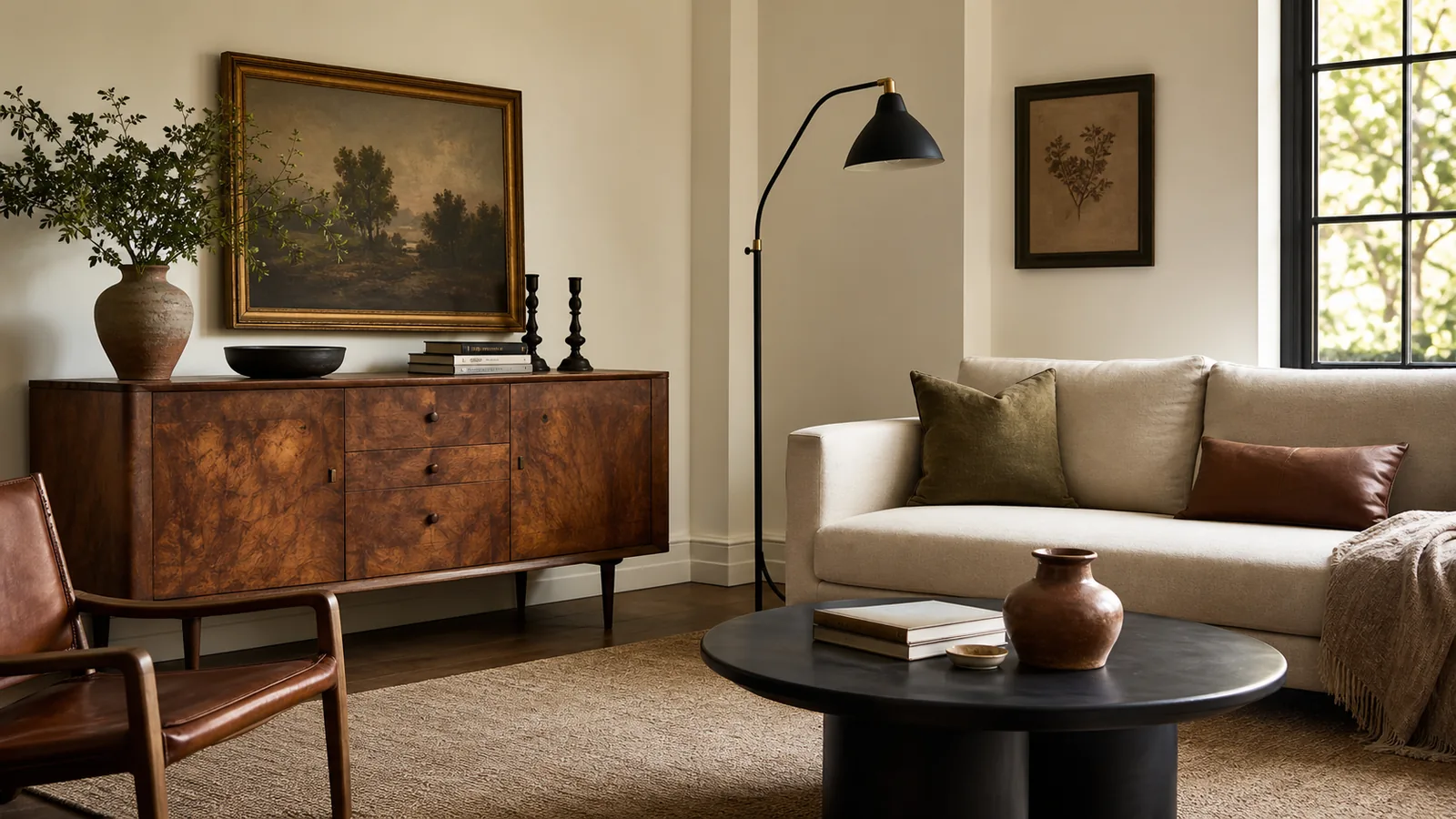
The Best Rooms Do Not Look Bought in One Afternoon
A room with only new pieces can feel strangely flat, even when everything is tasteful. A room with only vintage pieces can tip into costume if the styling gets too loyal to one decade. The magic usually happens in the middle: clean modern lines against an older wood tone, a sleek sofa softened by a timeworn side table, a contemporary lamp sitting on a dresser with real age.
The goal is not to prove that you know how to mix eras. The goal is to make the room feel as if it grew over time.
That sounds effortless, but it helps to have a few rules. Otherwise, the mix can become visually loud fast.
Choose One Dominant Era, Then Interrupt It
The easiest way to avoid a theme is to let one era lead and the other interrupt. If most of the room is modern, add vintage through one substantial piece and a few smaller details. If the room is built around an old dining table or inherited dresser, keep the surrounding pieces simpler and more current.
Equal parts vintage and modern can work, but it is harder. The room may start to feel like a debate. A dominant direction gives the eye somewhere to rest.
For example, a modern apartment with a clean sofa, plain curtains, and a simple rug can handle a vintage coffee table with character. Add a ceramic lamp, an old framed print, or a worn brass tray, and the vintage notes feel intentional without taking over.
Repeat Materials, Not Decades
When old and new pieces fight, it is often because nothing connects them. The connection does not have to be style. It can be material.
Warm wood can connect a vintage sideboard to a modern dining chair. Brass can connect an antique mirror to a new floor lamp. Linen can soften both a modern sofa and a traditional armchair. Black metal can make a contemporary shelf feel at home near an old trunk.
This is more flexible than trying to match period details. You are building a room language, not a museum label.

Keep the Color Palette Steady
Vintage pieces often bring strong personality: dark wood, patina, patterned upholstery, colored glass, old art, aged metal. Modern pieces can bring sharp contrast: bright white, black, chrome, clean silhouettes. A steady palette keeps the mix from splintering.
Try choosing three anchors:
| Anchor | Example |
|---|---|
| Main neutral | warm white, oatmeal, soft gray, mushroom |
| Wood or metal tone | walnut, oak, brass, blackened steel |
| Accent color | olive, oxblood, dusty blue, tobacco, charcoal |
Once those anchors are set, old and new pieces can speak through the same colors even when their shapes differ.
Let One Piece Be Obviously Old
A common mistake is choosing vintage pieces that are so subtle they read as accidental. One clearly old piece gives the room confidence. It might be a carved mirror, a weathered pine table, a Persian-style rug, a marble-topped nightstand, or a framed landscape with a little drama.
That one piece gives the room depth. Everything else can be quieter.
This is especially useful in rentals, where the architecture may not have much character. A vintage anchor can add the sense of age that the walls do not provide.
Amazon can be useful for smaller supporting pieces rather than true vintage furniture. Start with:
Use Modern Pieces for Breathing Room
Vintage texture is beautiful, but too much of it can make a small room feel heavy. Modern pieces give the eye a pause. A simple sofa, a clean-lined bed frame, plain curtains, or a minimal dining chair can make older objects feel fresher.
The contrast is what keeps the room alive. If every piece has turned legs, ornate trim, and visible patina, the vintage charm stops feeling special. If every piece is sleek and new, the room may feel unfinished. The balance is in the conversation between them.
Browse simple modern accent chairs on Amazon
Avoid the Matching Set Trap
The fastest way to make a vintage-modern room feel staged is to buy everything in one finish. Matching wood tones, matching brass, matching frames, matching silhouettes. Real collected rooms have near matches, not perfect ones.
Aim for compatibility instead of sameness. Two woods can work together if one is clearly lighter or darker. Metals can mix if one is dominant and the other appears in small doses. Frames can vary if the art shares a mood or palette.
The Room Should Feel Edited, Not Random
Collected does not mean crowded. The strongest vintage-modern rooms usually have fewer pieces than expected, but each one has a reason to be there. If an object is old but not useful, beautiful, or emotionally meaningful, age alone is not enough.
That edit is what keeps the room from becoming a theme. You are not decorating as “mid-century,” “Parisian,” or “farmhouse.” You are building a home where the new pieces make daily life easier and the old pieces make the room feel human.
You might also like
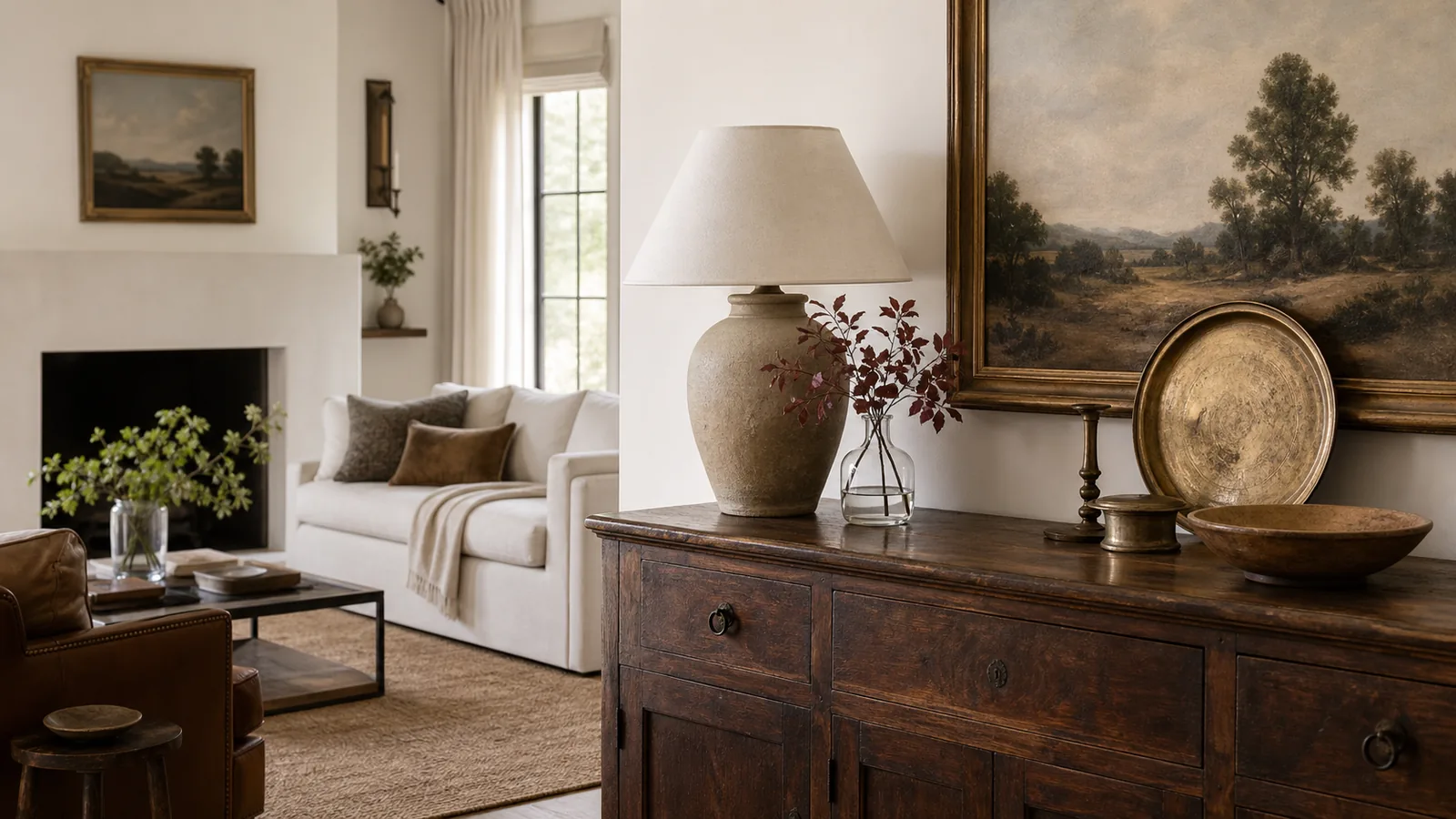
Vintage Home Decorations That Look Collected, Not Random
Vintage home decorations add character when they are edited, useful, and connected by color or material instead of scattered across every surface.
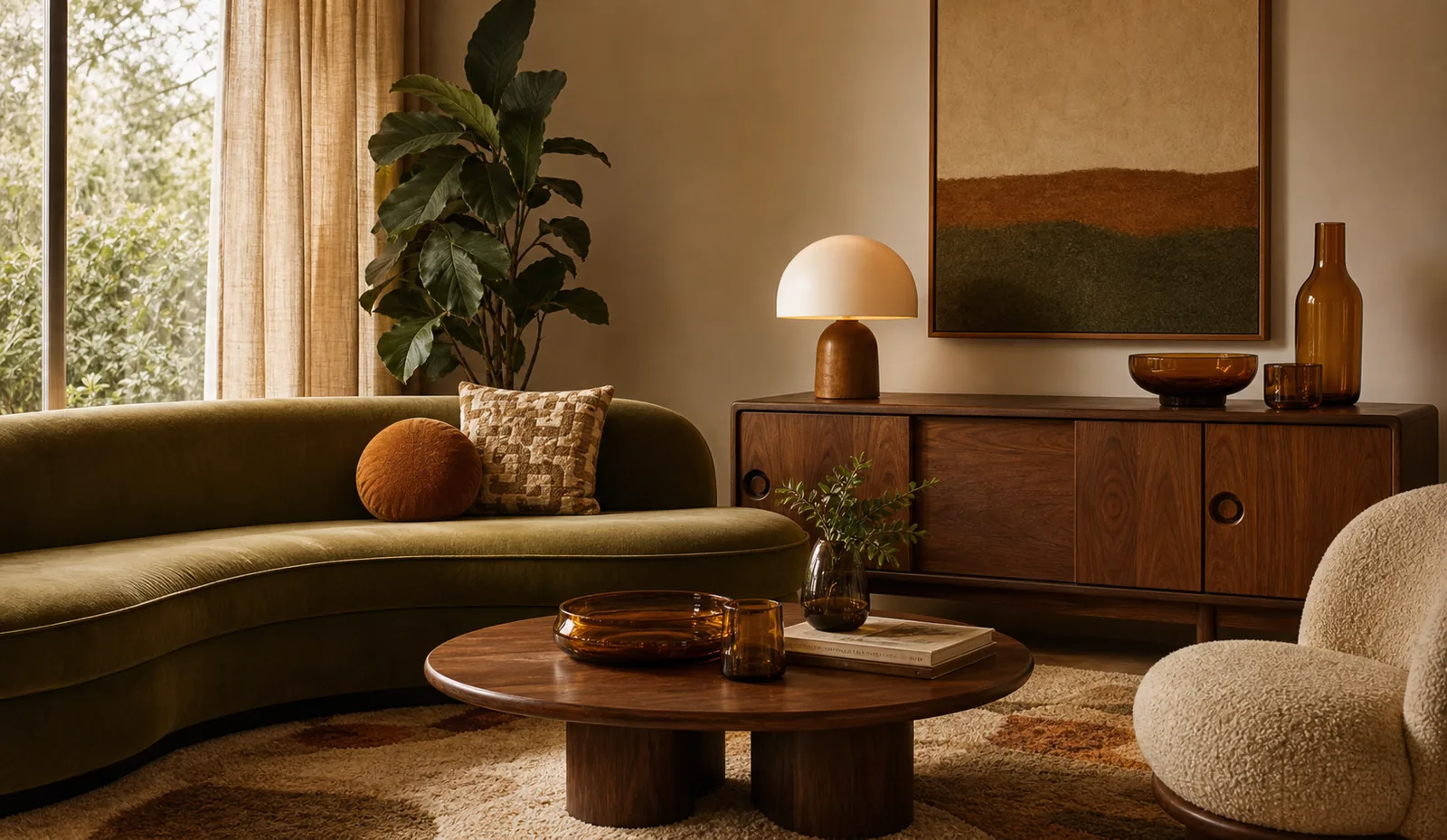
70s Home Decor Ideas That Feel Vintage Without Looking Like a Set
70s home decor can bring warmth, color, and nostalgia without becoming a costume if you keep the shapes simple and the palette grounded.
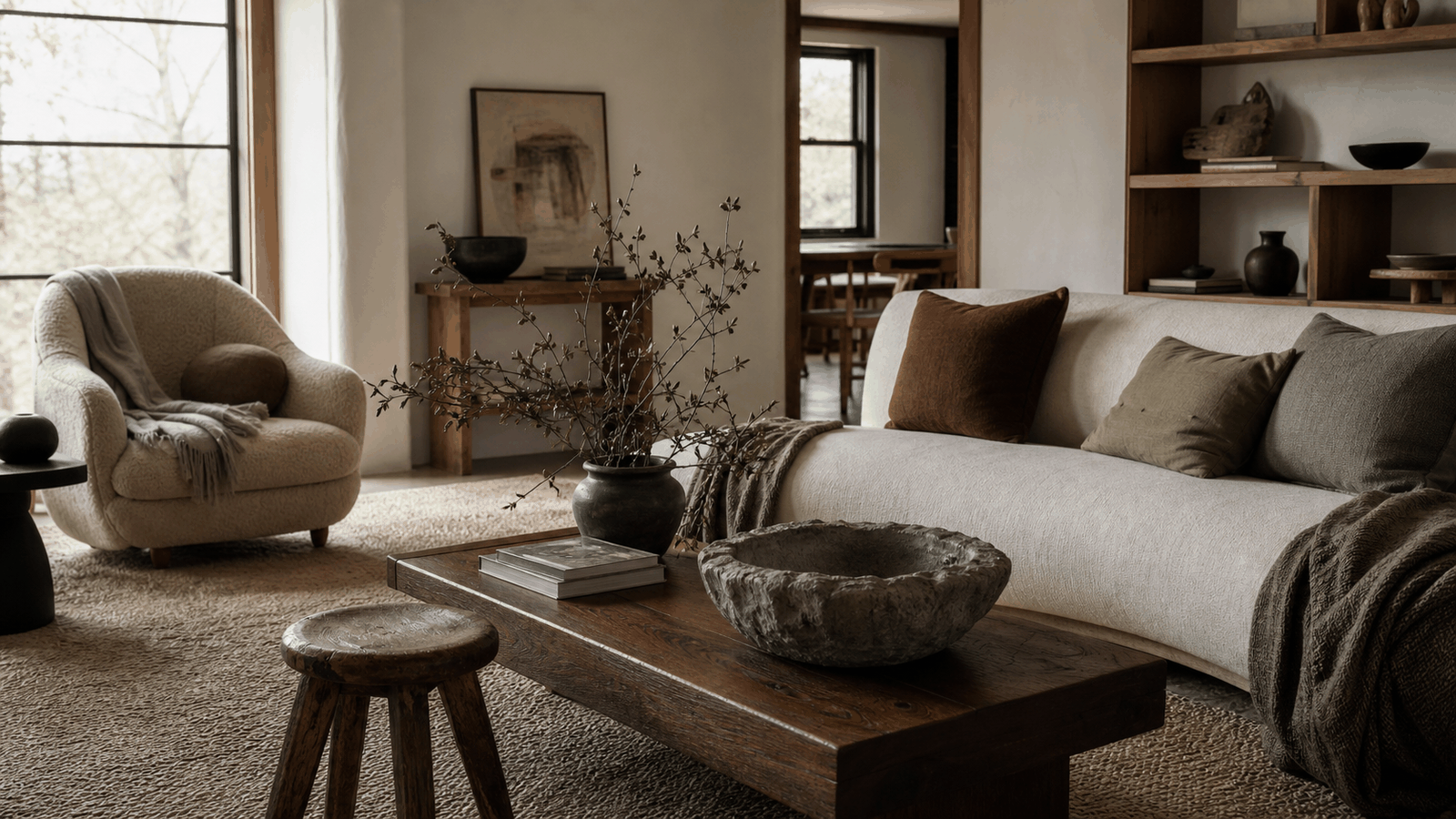
Organic Modern Home Decor Without the Showroom Look
Organic modern style works best when the room keeps its natural texture, useful contrast, and a few imperfect pieces instead of becoming a beige display.