Vintage Home Decorations That Look Collected, Not Random
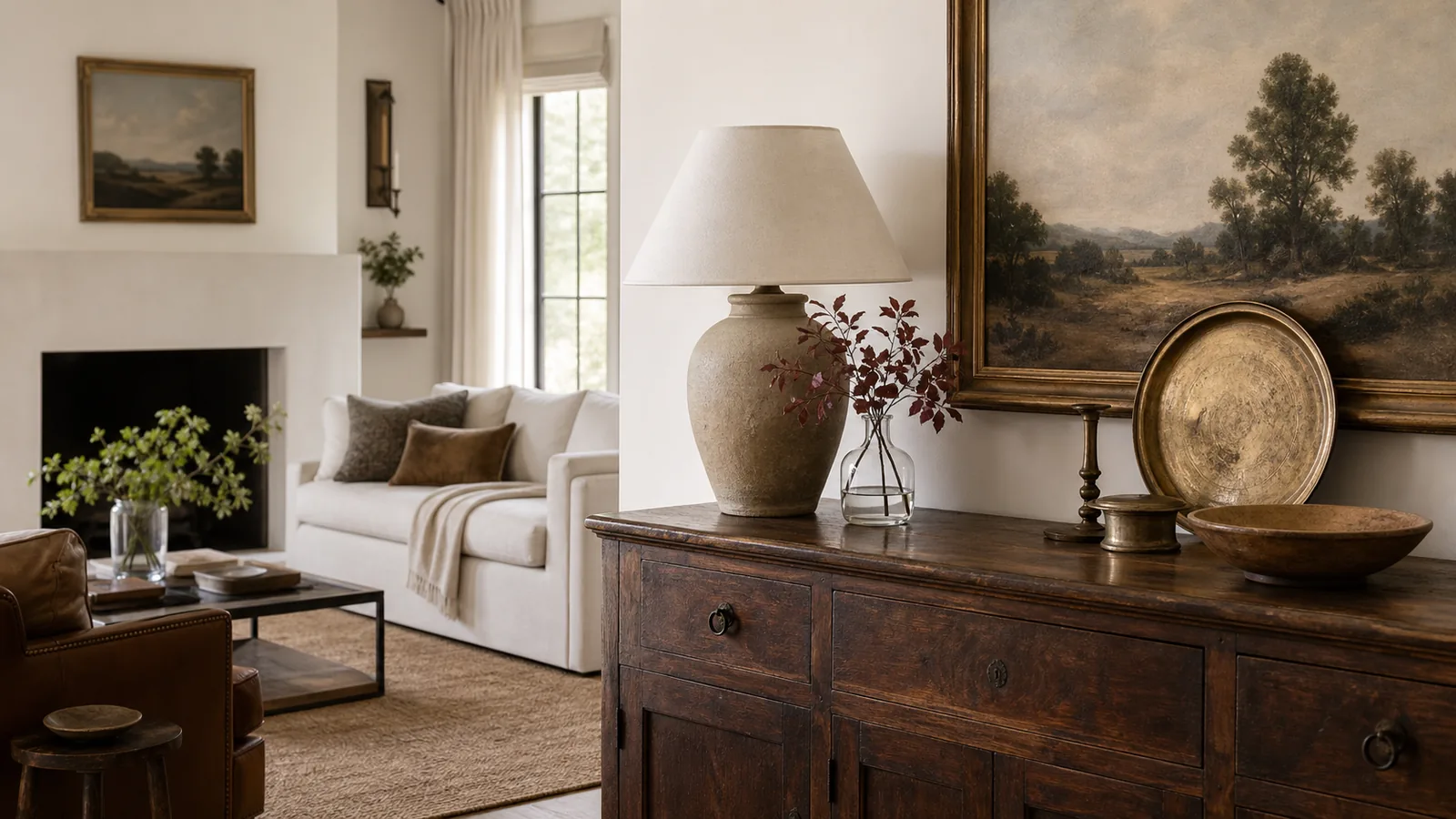
Vintage Works Best When It Has a Point of View
Vintage home decorations can make a room feel layered in a way new objects rarely do. A brass tray with patina, a framed landscape, an old ceramic lamp, a carved box, or a glass dish with a little age can give the room instant depth.
The problem starts when every surface becomes a place to put another old thing. Vintage charm turns random quickly if the objects do not have a relationship to one another.
The goal is not to make the room look old. The goal is to make it feel collected.

Start With One Clear Anchor
Every vintage arrangement needs one piece with enough presence to lead. It might be an antique mirror, a framed painting, a ceramic table lamp, a brass tray, a wooden box, or a weathered vase.
Once the anchor is chosen, the supporting pieces can be quieter. A dramatic old frame does not need six other dramatic objects beside it. A patinated brass tray can hold simple glassware or a candle. A vintage lamp can sit on a modern table and still carry the mood.
One strong old piece gives the arrangement confidence.
Connect Objects by Material
Vintage objects often come from different periods, which is part of their appeal. They can still feel connected if the materials repeat.
Brass can connect a tray to a picture frame. Warm wood can connect an old sideboard to a small box. A cream ceramic vase can soften dark furniture. Smoked glass can echo a moody landscape print.
Material links are more flexible than decade links. They let the room feel layered without turning into a history lesson.
Keep the Color Story Narrow
Vintage decorations bring their own color: amber glass, faded paper, walnut, brass, oxblood, olive, dusty blue, cream, and blackened metal. If every object has a different color story, the room can feel unsettled.
Choose a narrow palette before placing things. For example, warm wood, cream, aged brass, and olive. Or black, walnut, old paper, and soft white. A steady palette makes mixed vintage pieces feel intentional.
The objects do not need to match. They just need to live in the same room language.
Leave Some Surfaces Plain
Collected does not mean covered. Vintage decorations often have visual weight because they carry detail, patina, and irregularity. They need empty space around them.
A sideboard with one lamp, one tray, one framed piece, and one vase can look more collected than a sideboard with twelve small finds. The eye needs a few quiet places to rest.
If the surface looks better after removing two objects, those objects were probably diluting the story.
Mix in Something Clearly Current
Vintage pieces look fresher when they are near something current. A clean sofa, plain linen curtains, a modern black lamp, a simple table, or a contemporary frame can keep the room from feeling frozen in one era.
This is especially useful with smaller decorations. A vintage bowl on a very ornate table may disappear into the theme. The same bowl on a simple surface looks chosen.
Contrast helps vintage objects feel alive.
Be Careful With Faux Age
There is nothing wrong with vintage-inspired pieces, but too much artificial distressing can make a room feel less authentic. If the object is new, it should still have good shape, useful material, or a clear role.
Do not rely on fake wear alone. A simple new ceramic vase may look better than a heavily distressed imitation antique. Vintage style is about depth, not damage.
Collected, Edited, Human
Vintage home decorations work when each object has a reason to stay. Let one piece anchor the arrangement. Connect the rest through material or color. Leave space. Add something modern nearby.
That is what keeps vintage from feeling random. The room should feel as if it has gathered life over time, then edited itself with care.
You might also like
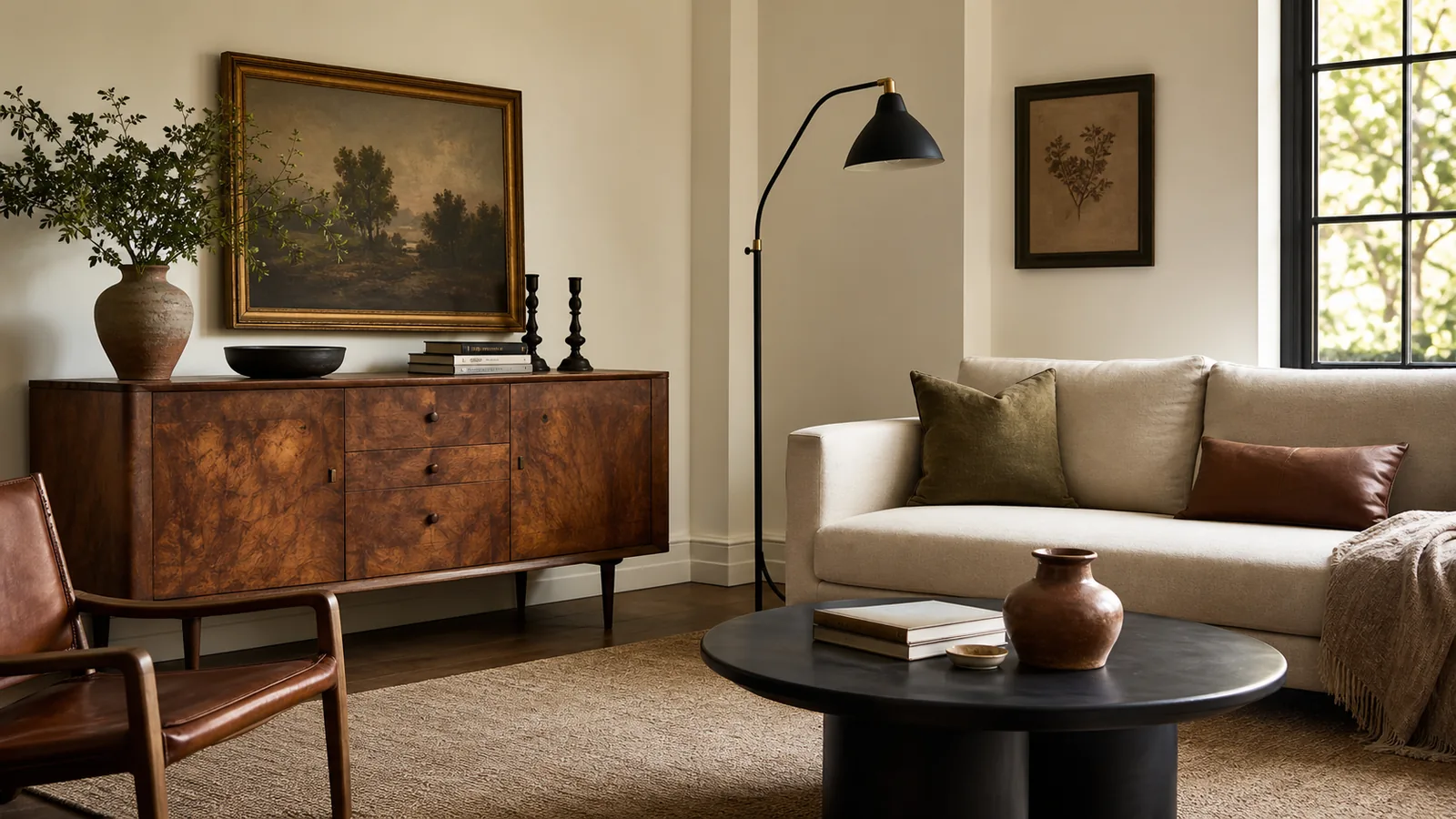
How to Balance Vintage and Modern Pieces Without Making the Room Feel Themed
Mixing old and new furniture works best when the contrast feels collected, not staged. Here is the simple balance that keeps a room from turning into a theme.
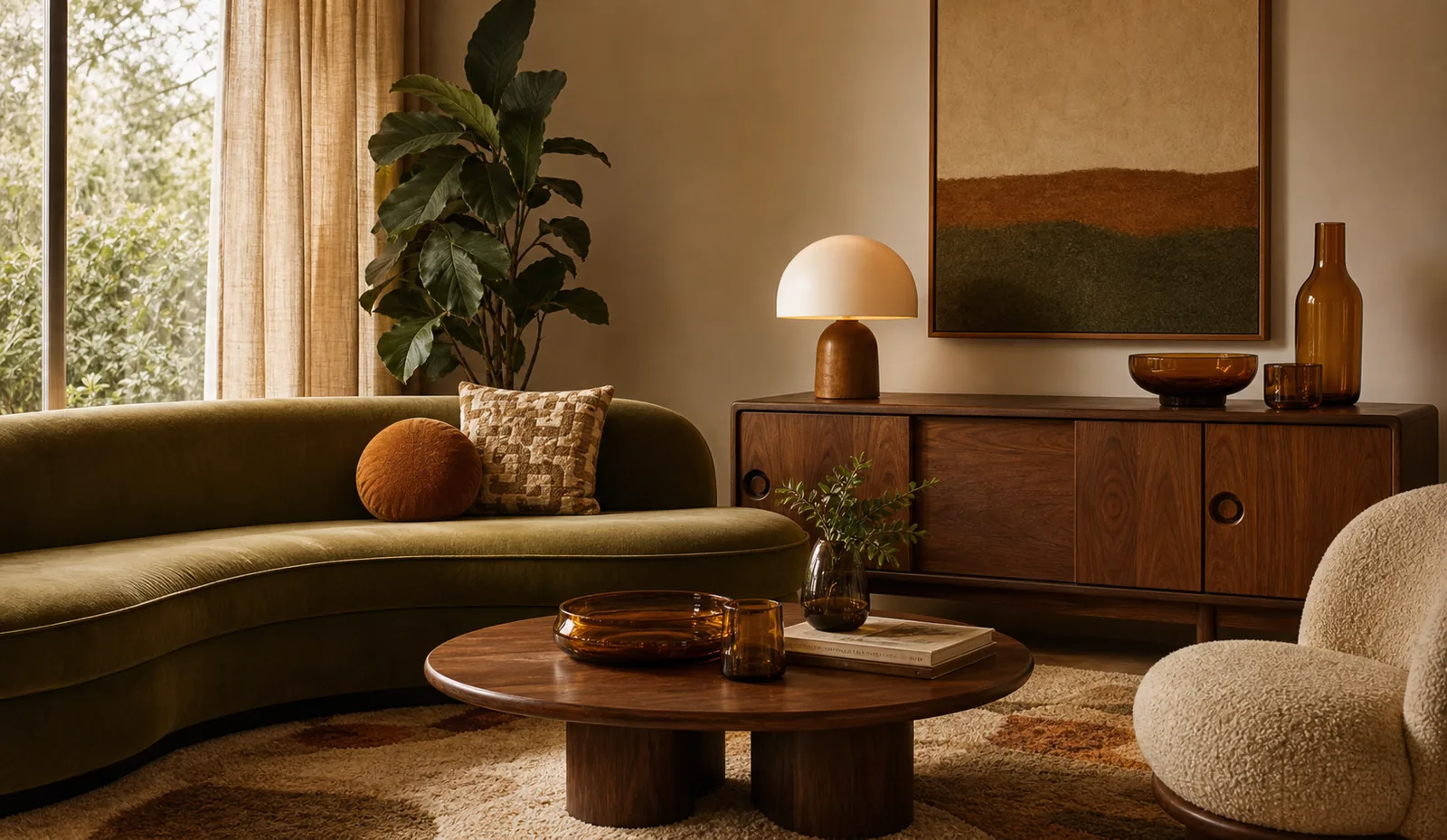
70s Home Decor Ideas That Feel Vintage Without Looking Like a Set
70s home decor can bring warmth, color, and nostalgia without becoming a costume if you keep the shapes simple and the palette grounded.
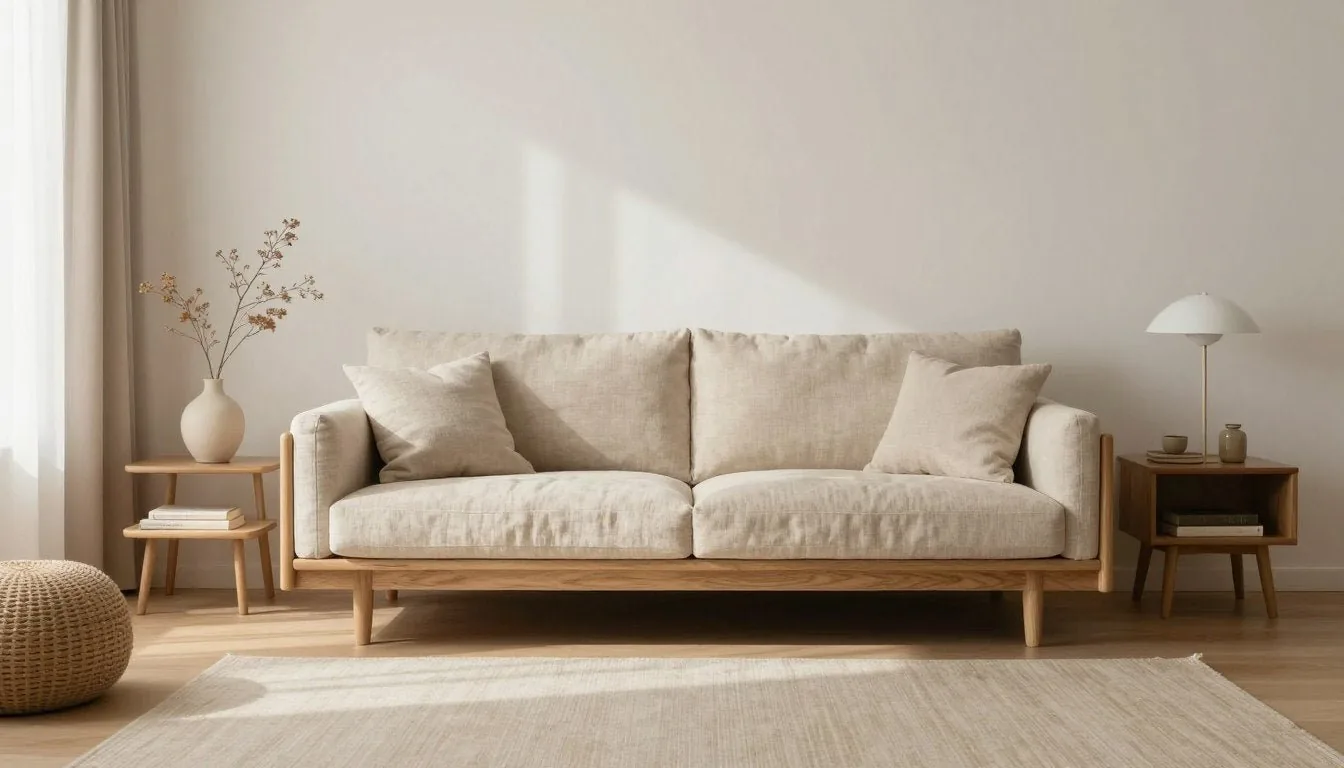
Warm Minimalism, Not Showroom Minimalism: How to Make a Simple Room Feel Lived In
Minimal rooms do not have to feel cold. Here is how warm minimalism uses texture, light, and restraint to make a space feel calm without draining it of personality.