Warm Minimalism, Not Showroom Minimalism: How to Make a Simple Room Feel Lived In
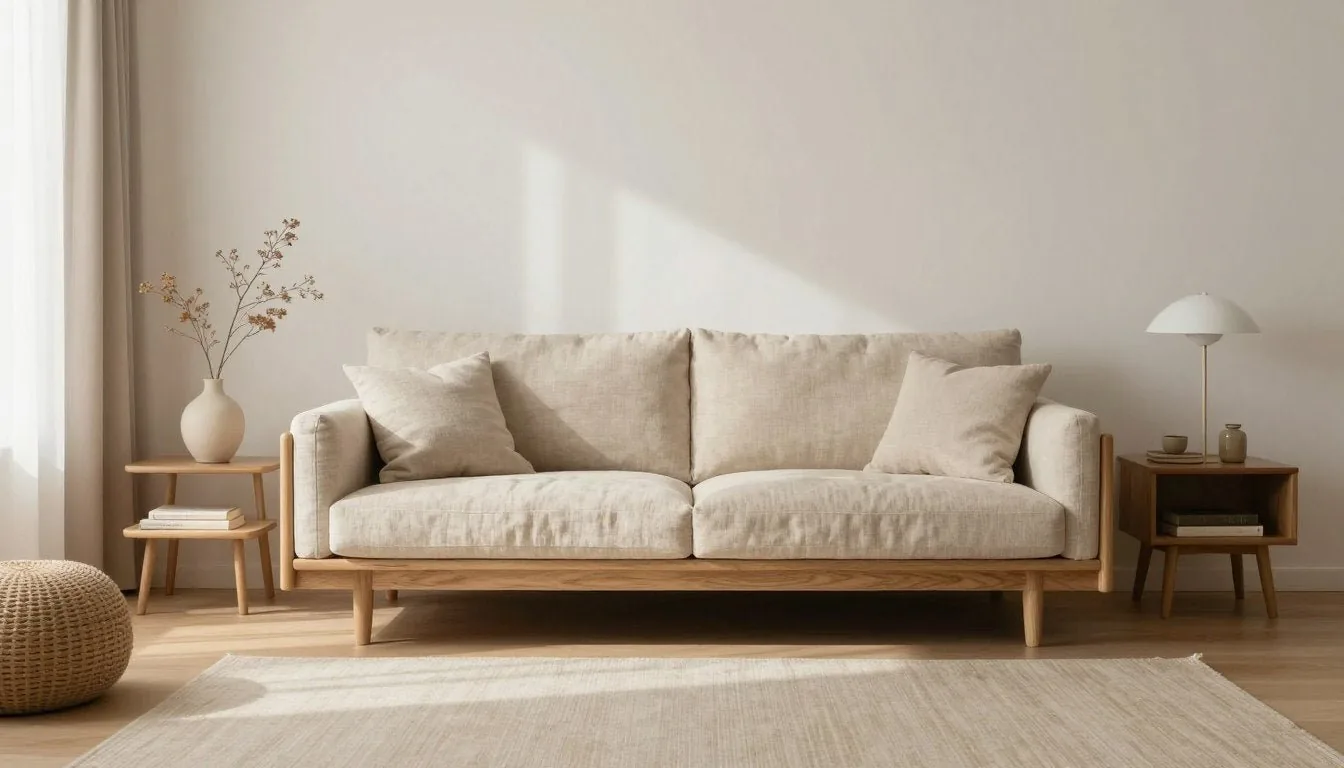
The Problem Was Never Minimalism. It Was the Temperature.
A lot of people say they love minimal interiors until they try to live in one. Then the complaints begin. It feels cold. It feels sparse. It feels like a hotel lobby, or worse, like a furniture showroom where nobody is allowed to sit down.
I understand the reaction. For years, “minimalism” was flattened into a very specific image: white walls, pale oak, one ceramic vase, and not a paperback in sight. It photographed beautifully and often felt strangely joyless in real life. The issue, though, was not simplicity itself. The issue was that many rooms had been stripped of warmth along with clutter.
Warm minimalism is a more forgiving version of the same instinct. It still values space, quiet, and careful editing. But it also leaves room for softness, history, and comfort. It asks a better question than “How little can I keep?” The better question is “What helps this room feel calm and human?”
Start with Materials Before Color
People often assume warmth comes from adding more color. Sometimes it does. More often, it comes from material. A room with plastery walls, washed linen curtains, a wool rug, matte wood, and a slightly imperfect ceramic lamp will feel warmer than a room painted beige from corner to corner but filled with flat, synthetic surfaces.
This is why warm minimalism tends to age better than trendier versions of pared-back design. It depends less on a formula and more on texture you can actually feel. The grain of wood. The slub of linen. The weight of cotton. The softness of worn leather. Those details keep a quiet room from feeling empty.
Keep the Palette Narrow, but Not Lifeless
A restrained color palette still helps. The difference is that warm minimalism leans toward shades with a little depth in them: oat instead of stark white, clay instead of blush, mushroom instead of gray, olive instead of bright green. These colors do not shout, but they have a pulse.
One useful rule is to let the large surfaces stay quiet and let the warmth gather in the supporting elements. Walls can be soft and neutral. Then bring in deeper notes through wood tones, lampshades, books, woven baskets, or a rust-colored cushion that looks even better when the light gets low in the evening.
A Minimal Room Still Needs Evidence of Life
This, to me, is the point people miss most often. A room should not look like it has been edited so thoroughly that no one could possibly live there. Warm minimalism works because it leaves behind the right traces: a stack of books you are actually reading, a bowl by the door, a throw blanket on the chair that gets cold in the afternoon, a side table with enough room for a glass of water and nowhere near enough room for clutter to multiply.
Minimal does not mean anonymous. In fact, the fewer things you choose to keep visible, the more each one matters.
Three Places Where Warmth Changes Everything
Light
Overhead lighting rarely carries a room on its own. Warm minimal spaces almost always rely on layers: a floor lamp in one corner, a table lamp near a sofa, a shaded sconce if the room allows it. When the light lands at different heights, the room feels softer and more dimensional.
Textiles
If a room feels flat, textiles are usually the fastest fix. Curtains with weight, a rug with actual texture, bedding that wrinkles a little, cushions that are not perfectly matched. These are the details that make a pared-back room feel inviting rather than controlled.
Wood and age
Newness can be the enemy of warmth. Not always, but often. A single older wooden stool, a vintage frame, or a side table with a bit of patina can stop a room from feeling overly polished. Warm minimalism benefits from at least one object that looks like it has had a life before this room.
The Difference in Practice
| If a room feels like this | Try this instead |
|---|---|
| Too white and echoey | Add a rug, softer bulbs, and curtains with texture |
| Clean but impersonal | Bring in books, a bowl, or one meaningful object with age |
| Neutral but flat | Mix finishes: wood, linen, ceramic, wool |
| Sparse in a tense way | Remove less, and choose better-looking essentials |
What I like about this approach is that it does not demand perfection. It gives you permission to want a calm room without pretending you have no habits, no sentiment, and no need for comfort. A warm minimal home can survive an unfolded blanket, yesterday’s magazine, and the mug you forgot on the side table. In fact, it usually looks better because of them.
Simplicity Works Best When It Makes Daily Life Easier
The version of minimalism worth keeping is the one that reduces friction. Fewer but better things. Clearer surfaces. Enough storage that your room can recover quickly after an ordinary day. Once minimalism starts feeling like performance, it has stopped serving the home.
That is why I keep coming back to warmth. It is not just a look. It is a way of checking whether a room still welcomes the people living in it. If the answer is no, the room may be simple, but it is not successful.
A Good Room Should Lower Your Shoulders
The best warm minimal interiors do something subtle to the body. You walk in and your shoulders drop a little. The room is not crowded, but it is not aloof either. It gives your eyes somewhere to rest and your hands something natural to touch.
That balance is harder to achieve than copying a trend board, but it is also far more durable. And once you have lived in a room that feels both simple and alive, it becomes very hard to settle for anything colder.
You might also like
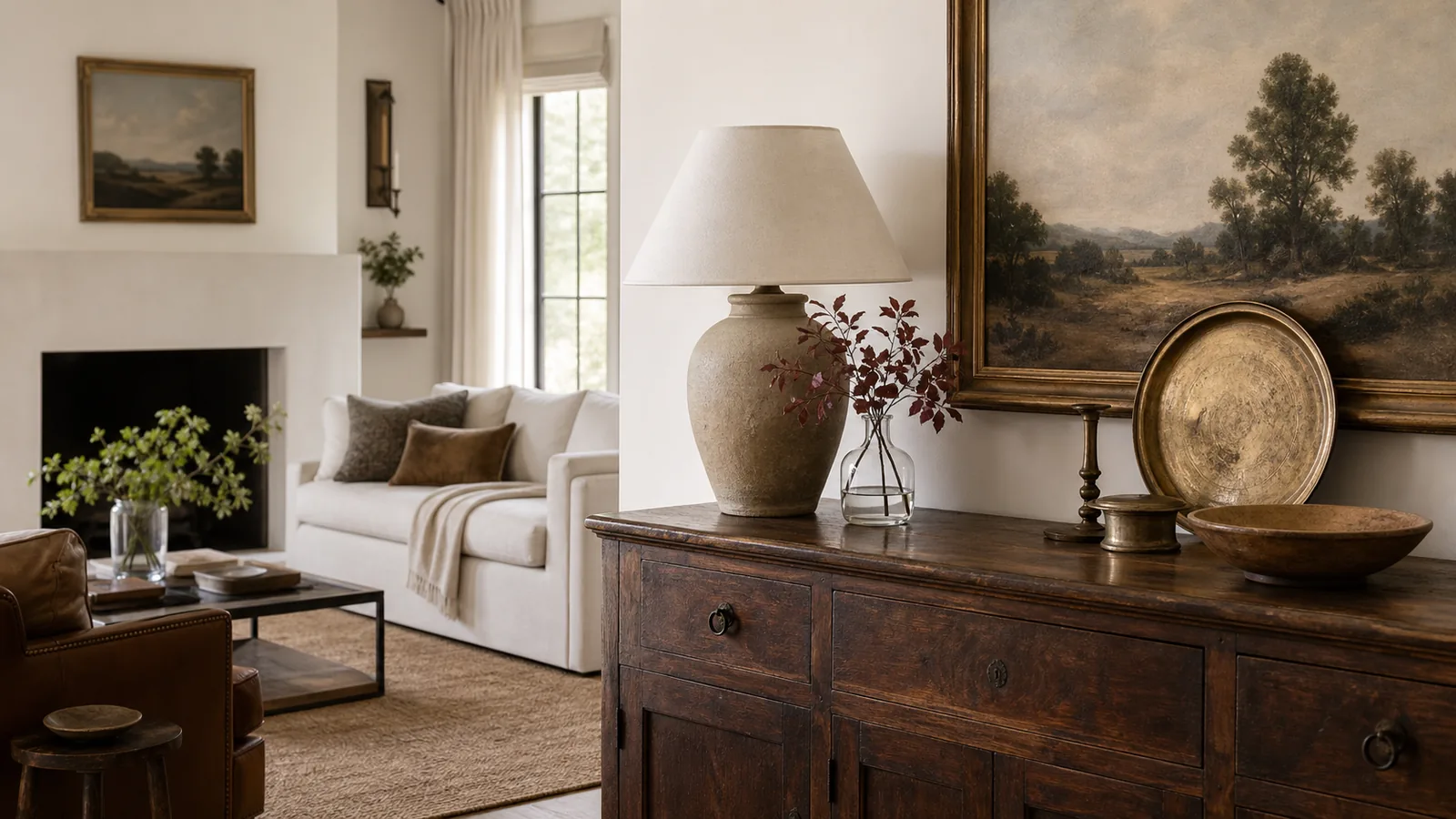
Vintage Home Decorations That Look Collected, Not Random
Vintage home decorations add character when they are edited, useful, and connected by color or material instead of scattered across every surface.
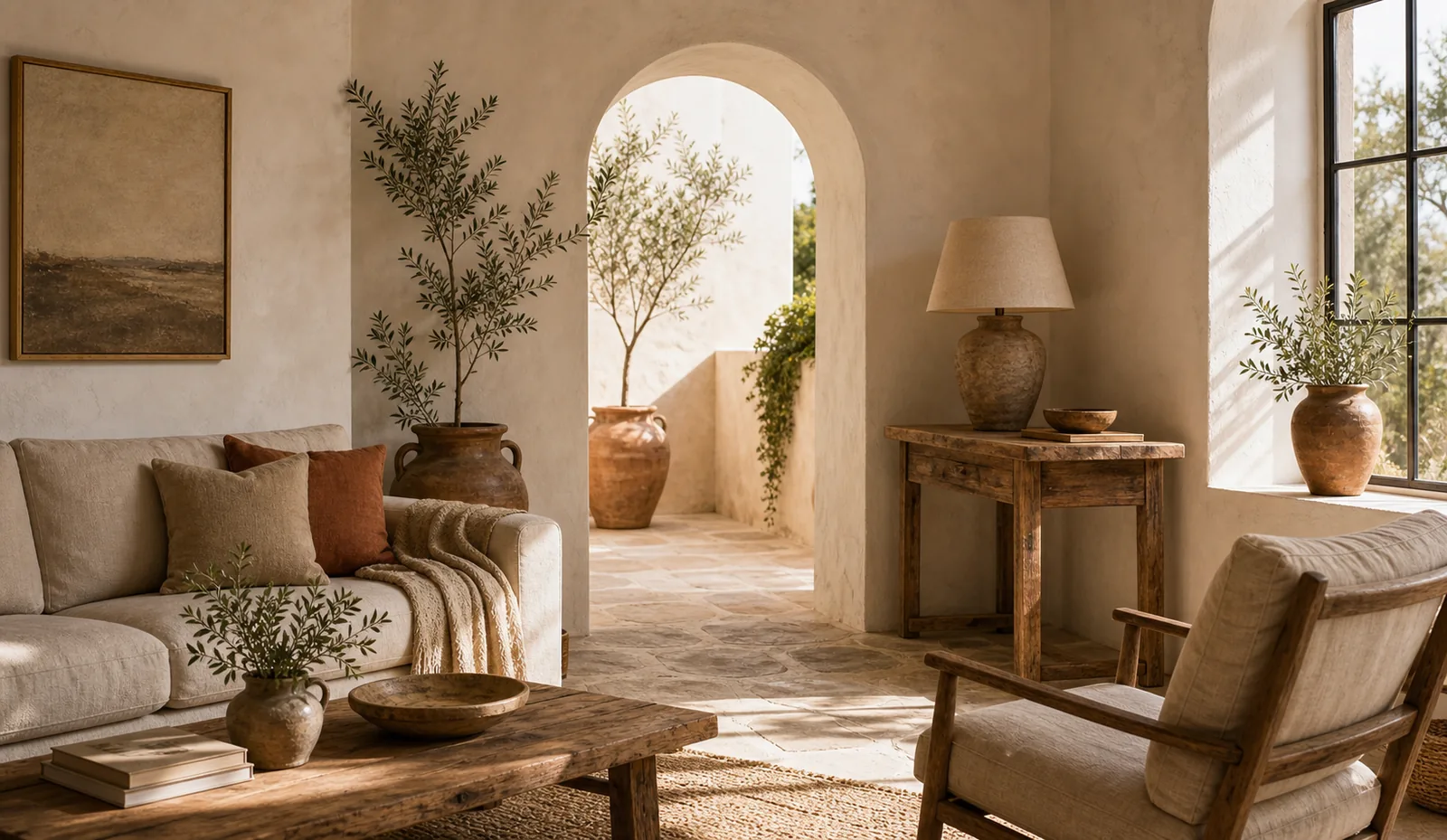
Mediterranean Home Decor Ideas for Warmth, Texture, and Light
Mediterranean home decor is at its best when it focuses on warmth, plaster-like softness, natural texture, and generous light.
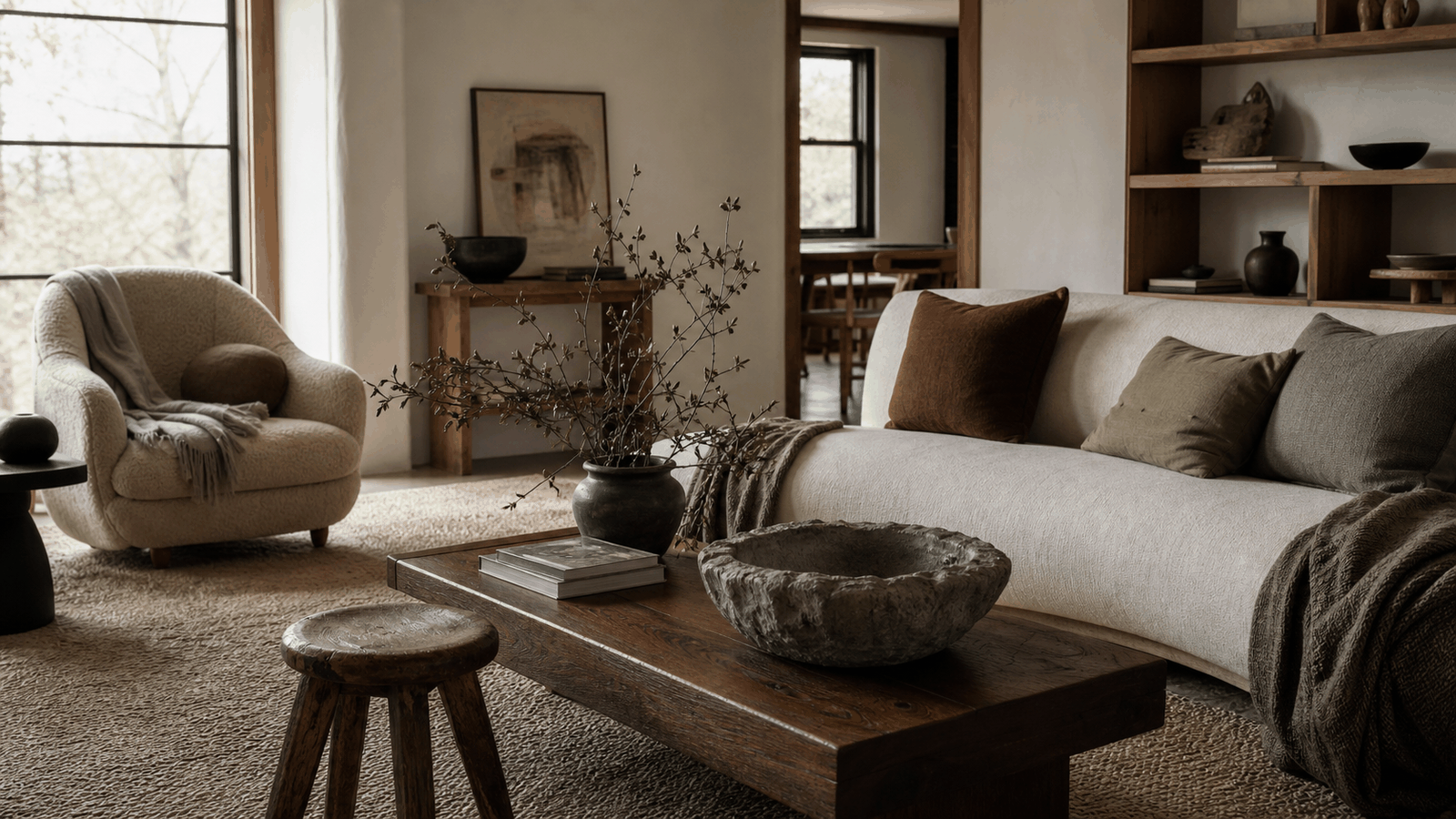
Organic Modern Home Decor Without the Showroom Look
Organic modern style works best when the room keeps its natural texture, useful contrast, and a few imperfect pieces instead of becoming a beige display.