Whimsical Home Decor for Personality Without Clutter
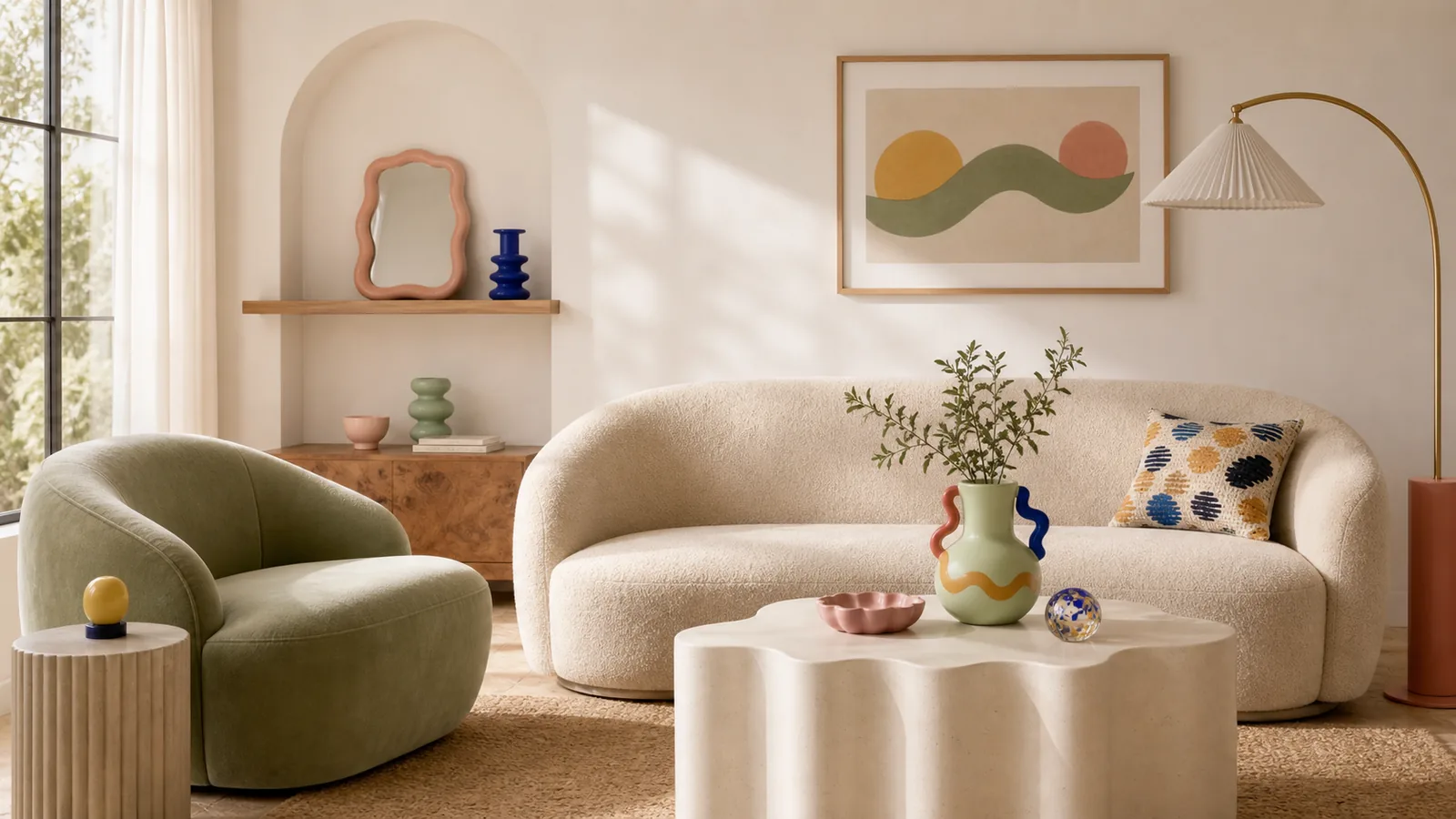
Whimsy Needs a Calm Background
Whimsical home decor works best when the room has enough calm around it. A playful lamp, wavy mirror, striped vase, odd little sculpture, or unexpected color can feel charming when it has space. The same object can feel chaotic when it is surrounded by too many other surprises.
The point is personality, not visual noise. Whimsy should make the room feel more like you, not less restful to live in.
Start by giving the playful pieces a steady background.
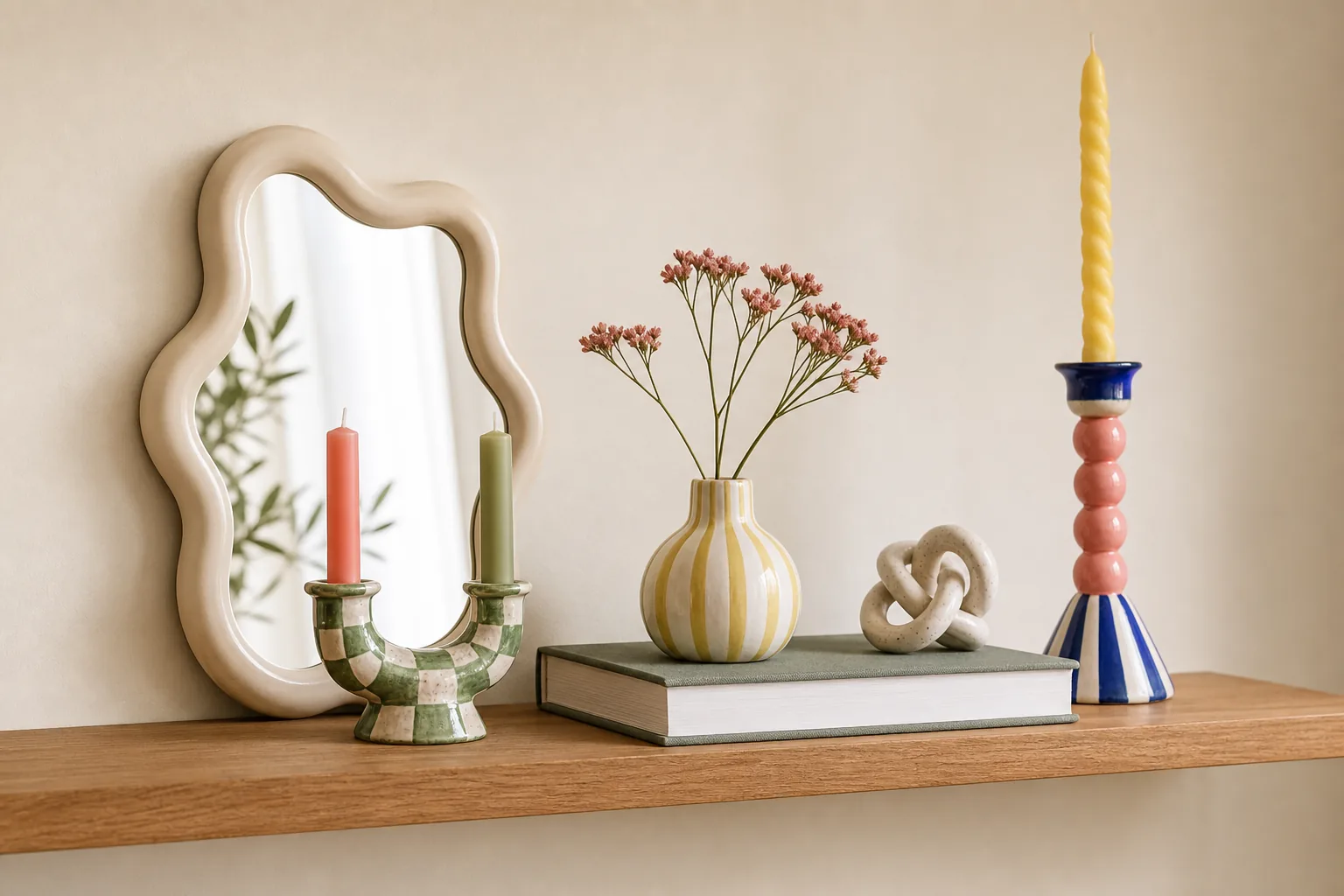
Choose One Kind of Surprise
A whimsical room can surprise through color, shape, pattern, scale, or object choice. It usually should not do all five at once.
If the room has playful shapes, keep the palette quieter. If the palette is colorful, use simpler silhouettes. If the pattern is bold, let the surrounding objects be plain. One kind of surprise feels intentional. Too many can make the room hard to read.
This does not remove personality. It gives personality somewhere to land.
Use Shape Before Novelty
The most livable whimsical decor often comes from shape, not joke objects. Curved mirrors, scalloped trays, bobbin frames, mushroom lamps, wavy shelves, bulbous vases, and rounded chairs can make a room feel playful without making it feel childish.
Shape has staying power. A funny object may be charming for a week, but a good silhouette can keep working for years.
If you are unsure where to begin, add one curved or irregular shape to a very straightforward area. A wavy mirror over a plain console can change the mood immediately.
Let Color Repeat on Purpose
Playful color feels better when it repeats. A butter yellow candleholder can connect to a small yellow note in art. A coral vase can echo a stripe on a pillow. A cobalt object can return in a book spine or tiny dish.
The repetition does not need to be exact. It only needs to be visible enough that the color feels planned.
Without repetition, whimsical color can look accidental. With repetition, it becomes part of the room.
Keep the Useful Pieces Grown-Up
One way to keep whimsy from becoming clutter is to let the practical pieces stay calm. The sofa, dining table, bed frame, curtains, rug, and storage can be simple while smaller details carry the play.
That balance makes the room easier to live in. You can enjoy a striped vase or unusual lamp without asking every large purchase to be expressive.
It also makes future editing easier. Small whimsical details can rotate as your taste changes.
Give Collections a Limit
Whimsical decor often invites collecting: colorful glass, tiny ceramics, novelty candleholders, odd frames, handmade objects. Collections can be wonderful, but they need limits.
Choose a defined zone and a defined number. One shelf. One tray. Three objects. Five objects. A single color family. A small group reads as intentional. A scattered collection reads as clutter.
The limit makes the collection stronger.
Avoid the Children’s Room Problem
Whimsical does not have to mean juvenile. The difference is usually material. Ceramic, glass, wood, linen, metal, and good paper feel more grown-up than shiny plastic or overly literal novelty pieces.
If the object is playful but the material is good, it can sit comfortably in an adult room. If the material feels disposable, the room may start to feel temporary.
Personality With a Little Discipline
Whimsical home decor is at its best when it has discipline behind it. Choose one kind of surprise. Repeat color. Use shape before novelty. Keep the large pieces calm. Give collections a boundary.
The result is a room that feels personal and lighthearted without becoming busy. Whimsy works when it has the confidence to stop.
You might also like
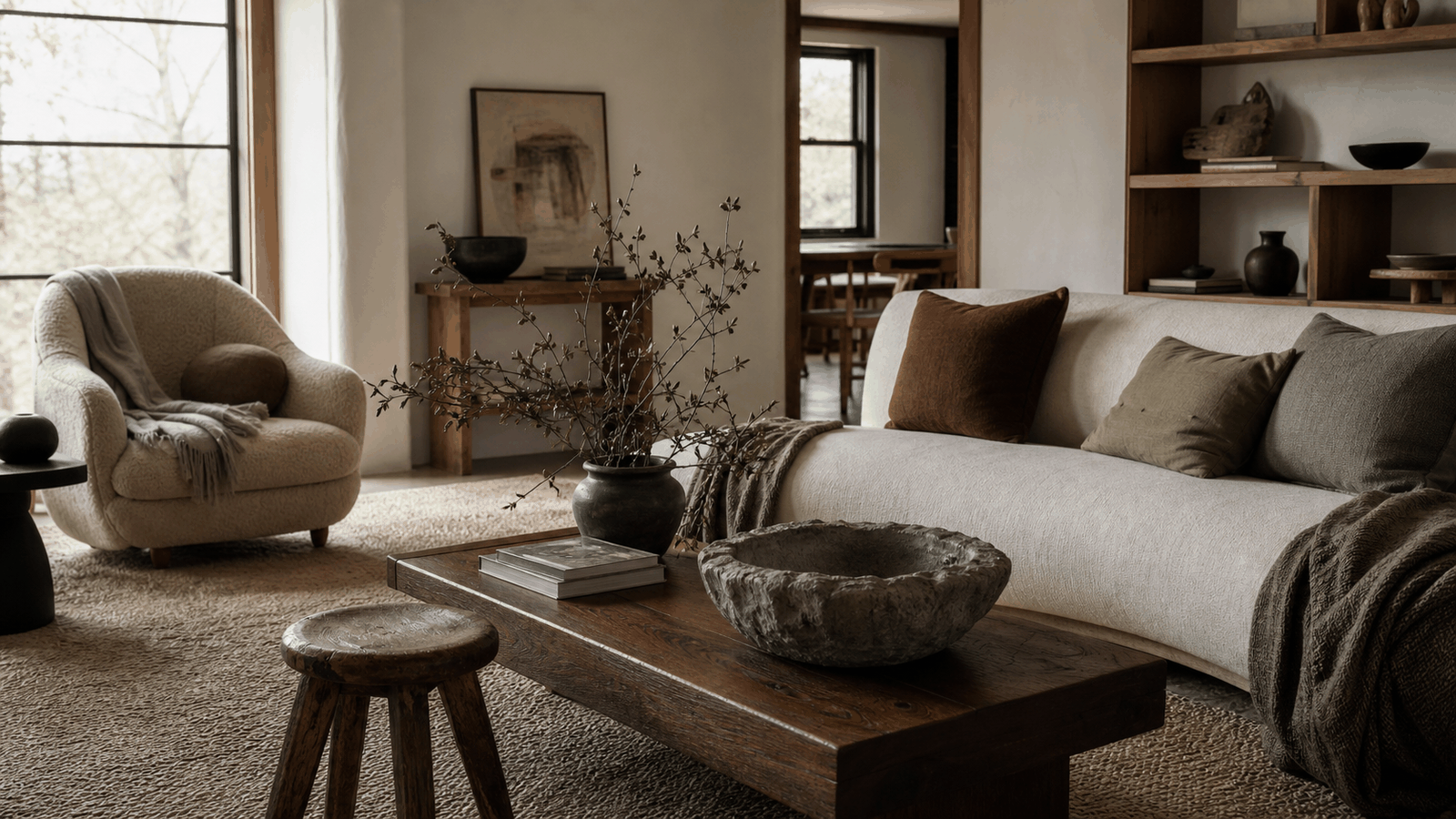
Organic Modern Home Decor Without the Showroom Look
Organic modern style works best when the room keeps its natural texture, useful contrast, and a few imperfect pieces instead of becoming a beige display.
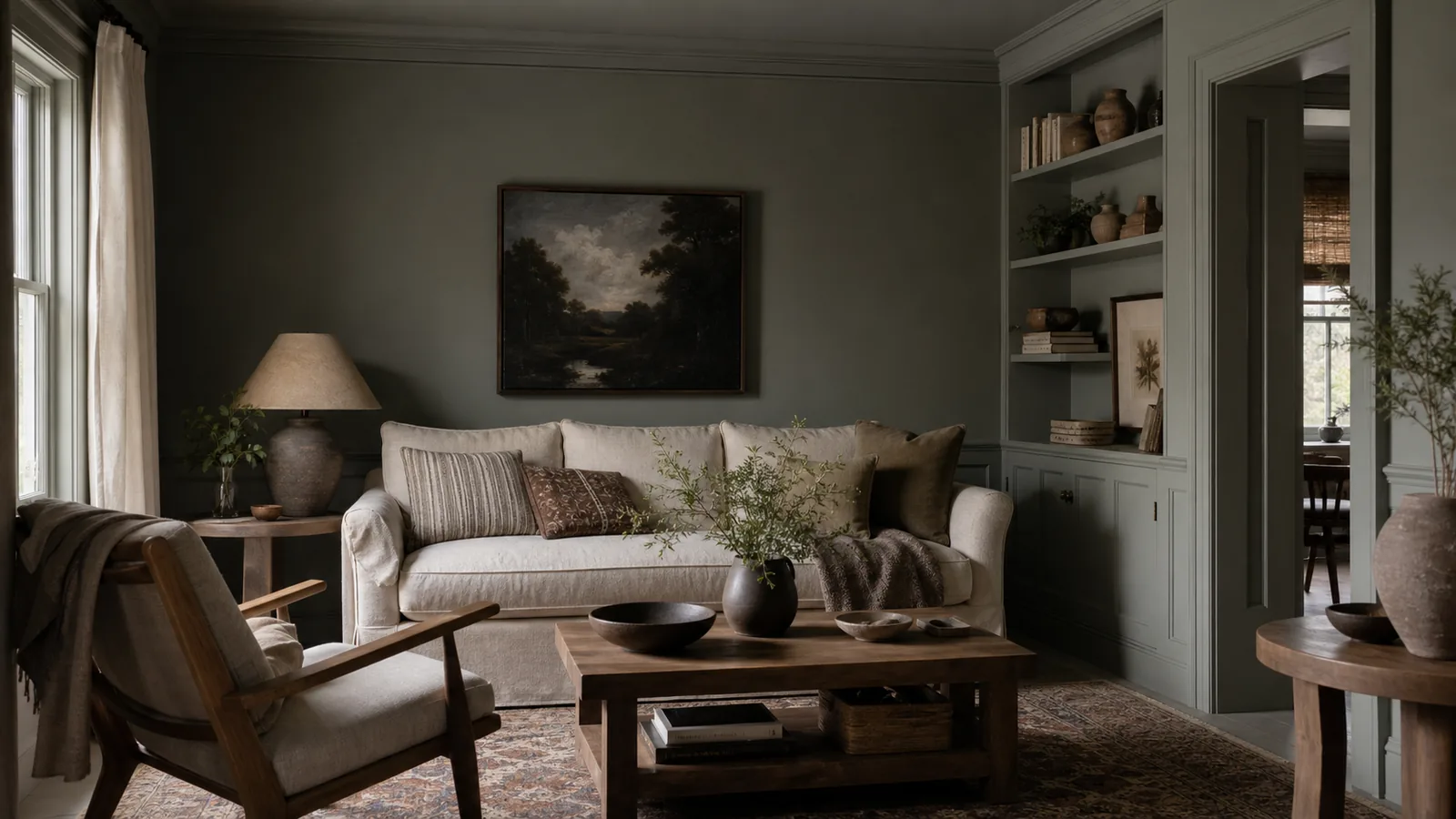
Color Drenching at Home Without Making the Room Feel Flat
Color drenching works best when it creates depth, not just coverage. The room still needs shadow, texture, contrast, and a few places where the eye can rest.
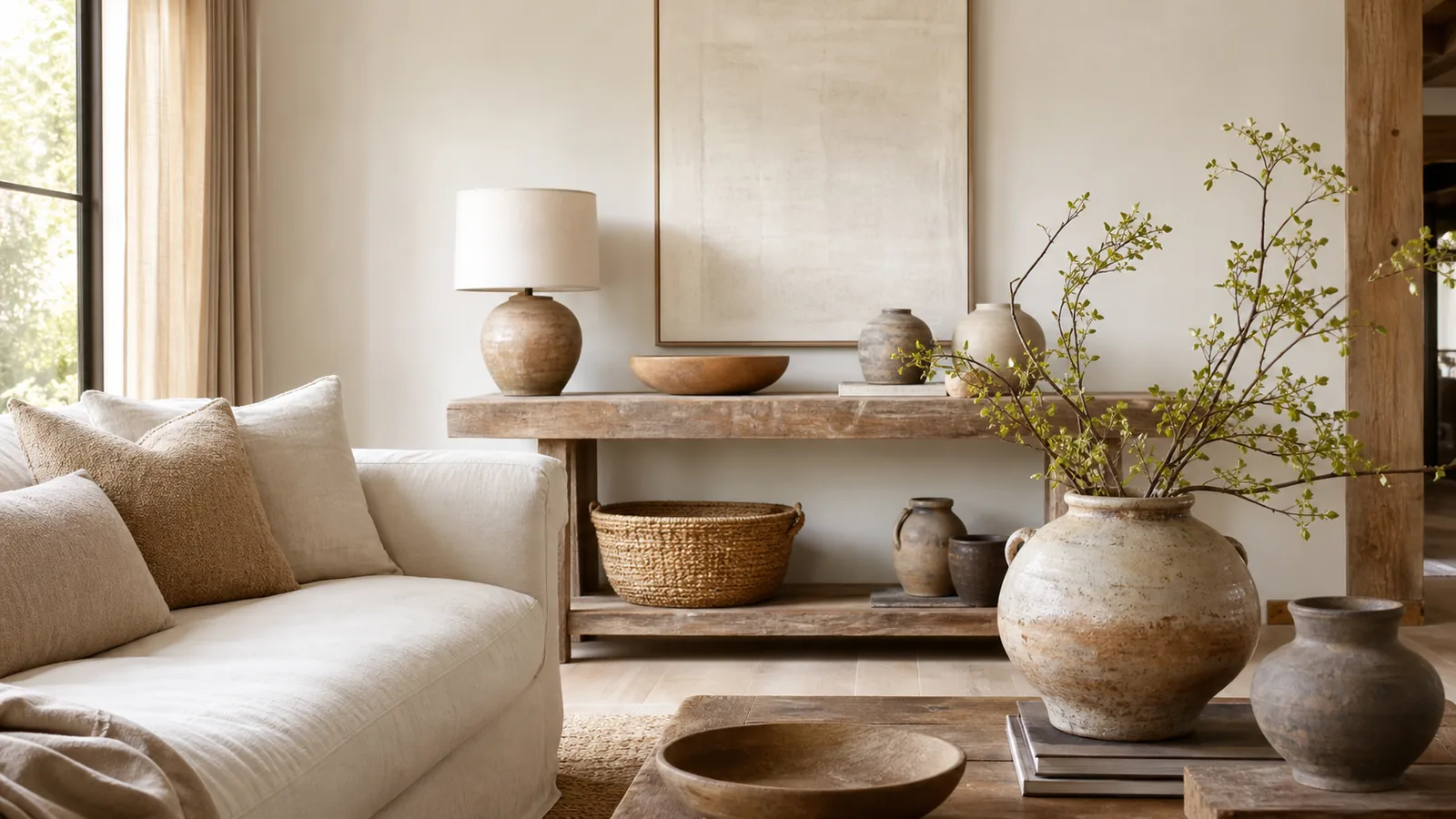
Rustic Home Decorations That Add Warmth Without Making a Room Feel Heavy
Rustic home decorations work best when they add texture, usefulness, and age without filling every surface or darkening the whole room.