Gothic Home Decor for a Moody Room That Still Feels Livable
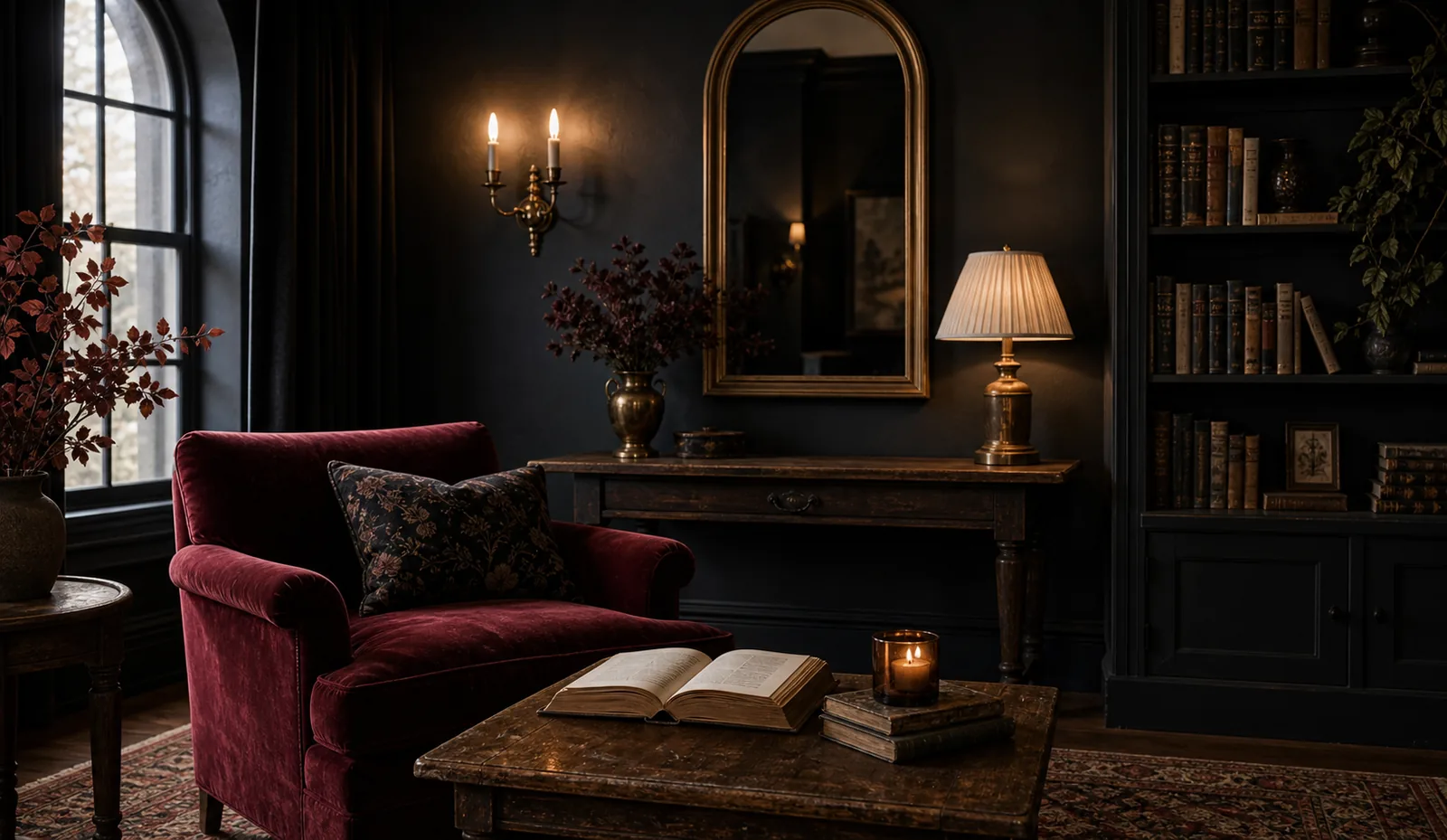
Gothic Style Is About Mood, Not Darkness Alone
Gothic home decor often gets reduced to black paint and dramatic objects, but the most livable version is more nuanced. It is about shadow, old-world shapes, rich materials, and rooms that feel intimate rather than simply dark.
A gothic-inspired space should make you want to sit down with a book, light a lamp, and stay awhile. If the room feels cold, theatrical, or hard to use, the balance is off.
The key is to build depth without losing comfort.
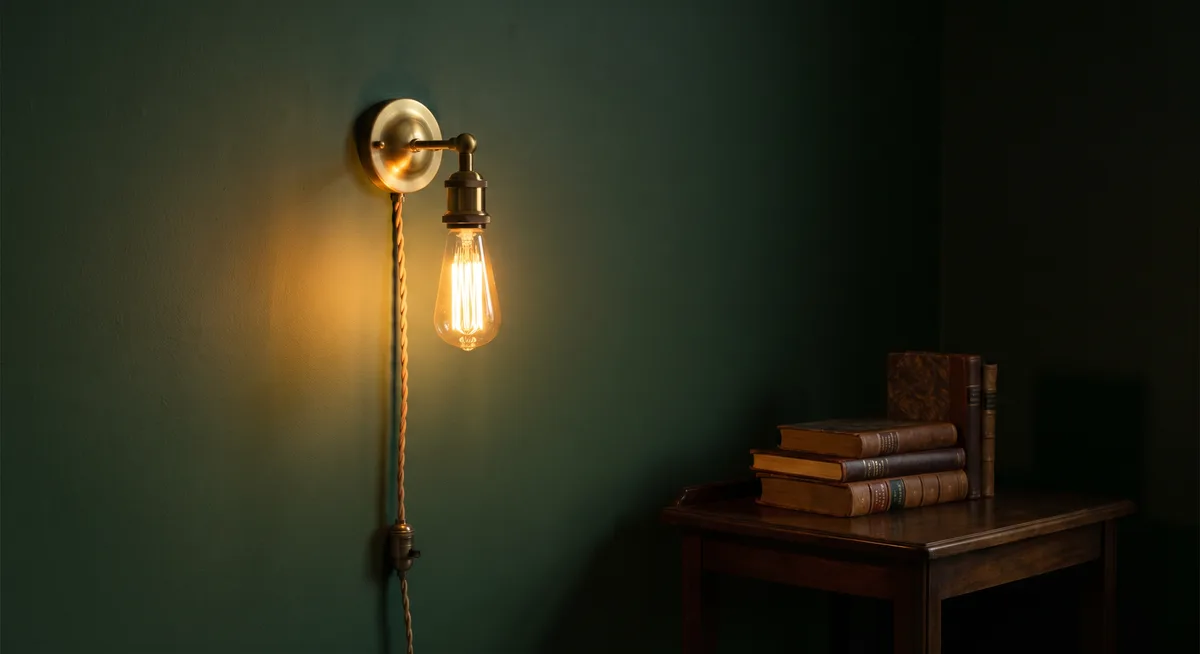
Start With a Deep Base Color
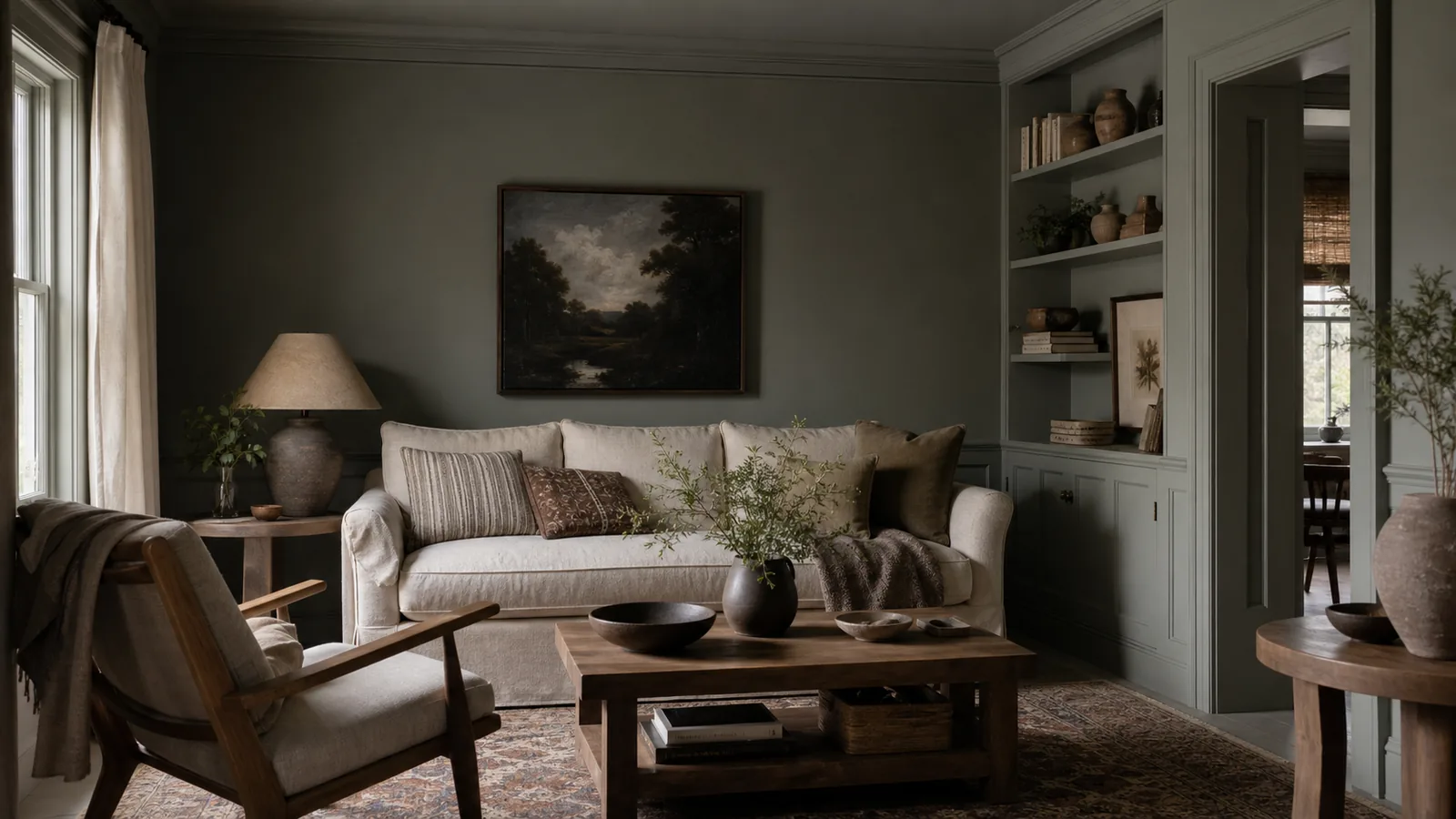
Black is not the only option. Deep green, oxblood, charcoal, aubergine, ink blue, and dark brown can all create a gothic mood with more softness. These colors feel especially strong in rooms with warm light and natural texture.
If painting a whole room feels too intense, use the color on one wall, a bookcase interior, a ceiling, or a smaller nook. Gothic style can live beautifully in a concentrated area.
The finish matters. Matte or eggshell surfaces usually feel richer than high-gloss walls, especially in smaller homes.
Add Weight With Shape
Gothic rooms often rely on silhouettes: arched mirrors, tall candlesticks, carved wood, curved chair backs, framed portraits, pleated lampshades, and narrow tables with legs that feel a little old-fashioned.
You do not need all of these. One or two strong shapes can shift the entire room. An arched mirror above a console, a dark wood cabinet, or a tall lamp with a fabric shade can create the mood without filling the room with props.
Warm Light Is Non-Negotiable
Dark rooms collapse when the lighting is wrong. Overhead light can make a gothic room feel harsh, while too little light makes it impractical. The answer is layered, warm lighting.
Use table lamps, picture lights, sconces, or shaded floor lamps to create pools of light. Let corners stay a little shadowed, but make sure seats, shelves, and surfaces are usable.
A moody room should still help you live your life.
Use Velvet and Wood Carefully
Velvet, dark wood, aged metal, and stone all fit naturally here. The risk is heaviness. If the room has a velvet chair, it may not also need heavy curtains, a dark rug, and a dark sofa.
Balance rich materials with something breathable: linen, pale paper, glass, a lighter floor, or open wall space. This contrast keeps the room from feeling sealed shut.
Skip the Fake Spooky Layer
The most grown-up gothic rooms do not depend on novelty objects. They get their mood from architecture, palette, proportion, and light. If an object only reads as spooky, it may date the room quickly.
Choose pieces that would still look beautiful outside the theme: a carved frame, a heavy ceramic vase, a dark floral textile, a tarnished brass lamp, a stack of old books.
Moody Can Still Be Gentle
Gothic home decor works when drama and comfort meet. Use deep color, old shapes, warm light, and rich materials, then leave enough space for the room to breathe.
The result should feel atmospheric, not oppressive. A little shadow is lovely. A room you cannot relax in has gone too far.
You might also like
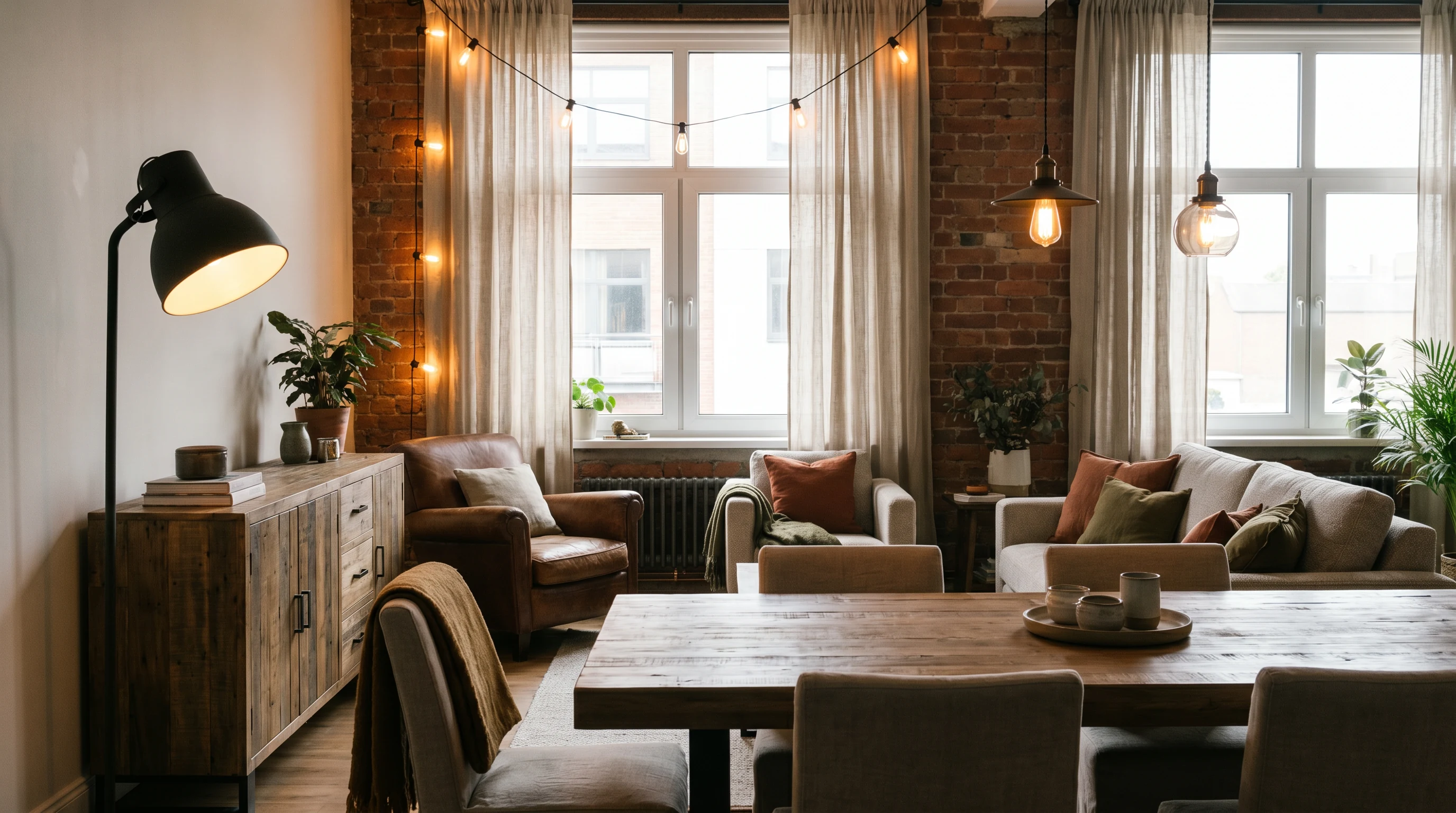
Soft Industrial Style for People Who Want Character Without a Cold Loft Vibe
Industrial rooms do not have to feel like converted warehouses with no softness in sight. Here is how to borrow the structure, contrast, and character of the look without making a home feel severe.
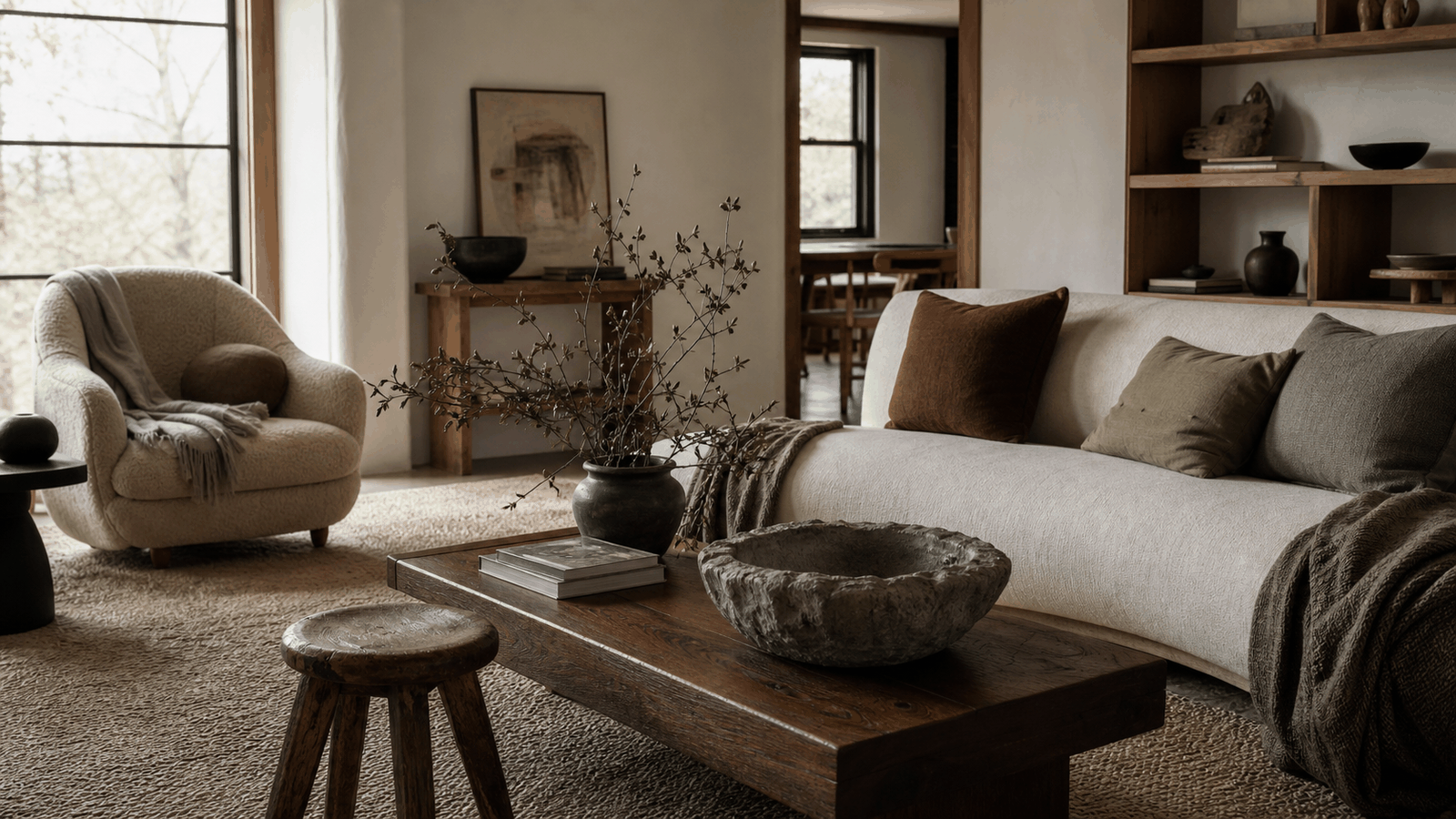
Organic Modern Home Decor Without the Showroom Look
Organic modern style works best when the room keeps its natural texture, useful contrast, and a few imperfect pieces instead of becoming a beige display.
Color Drenching at Home Without Making the Room Feel Flat
Color drenching works best when it creates depth, not just coverage. The room still needs shadow, texture, contrast, and a few places where the eye can rest.