Soft Industrial Style for People Who Want Character Without a Cold Loft Vibe
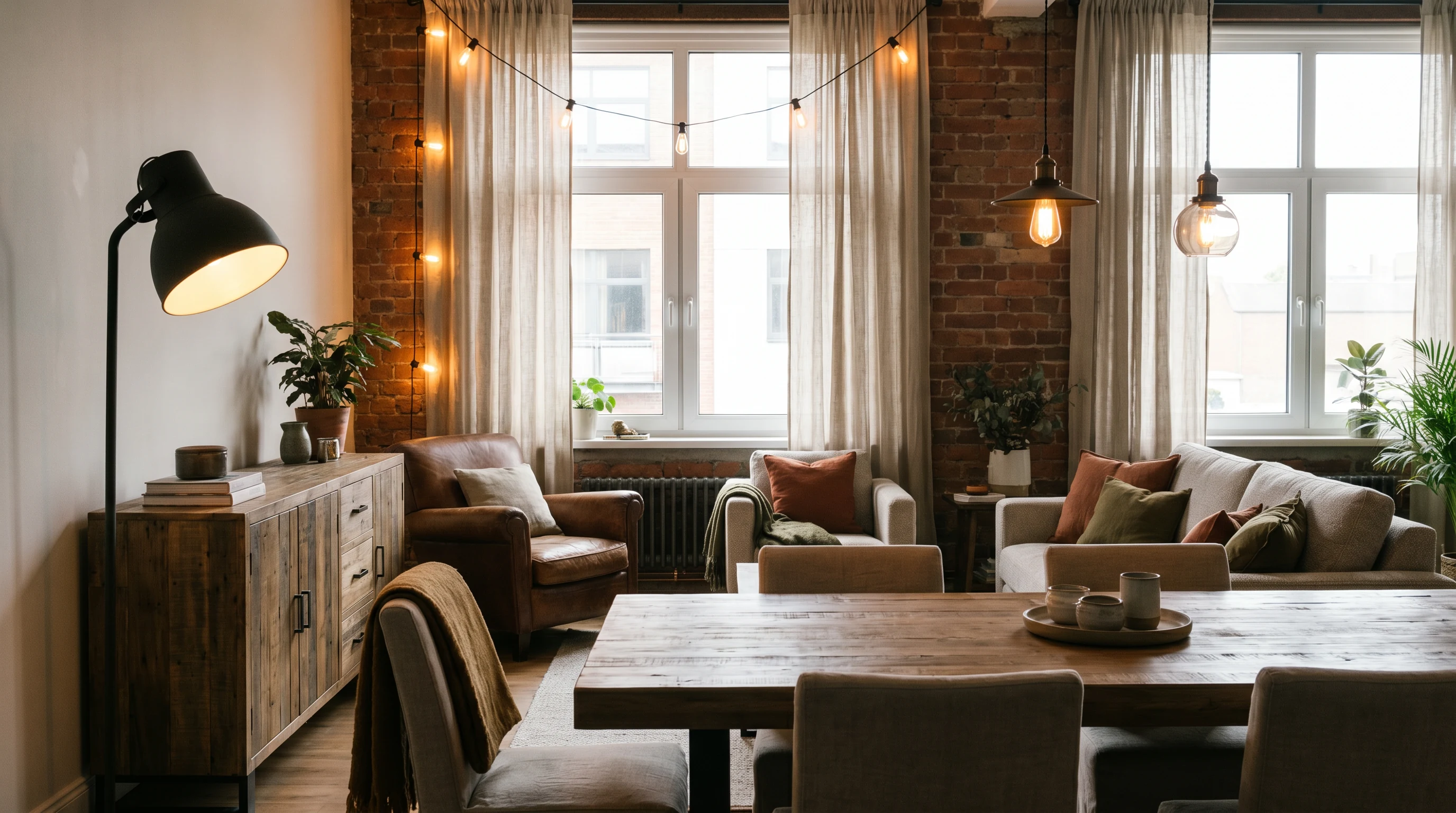
Industrial Style Lost Me When It Started Treating Warmth Like a Weakness
There is a version of industrial design that still makes perfect sense to me: blackened metal, sturdy wood, visible structure, practical lighting, and furniture that feels as if it could survive a move without complaint. Then there is the colder version, the one that behaves as if softness is somehow a failure of nerve. Too much concrete gray. Too few textiles. A room that looks impressive from the doorway and faintly hostile once you sit down.
If you like industrial interiors but do not want to live in a room that feels like a half-finished loft, the answer is not abandoning the style. It is warming the edges.
Let the Contrast Come from Materials, Not Temperature
What makes industrial rooms interesting is contrast. Matte black metal beside worn timber. A clean-lined sofa against a rougher wall. Leather, glass, steel, oak. The problem begins when all of those contrasts are cool, hard, or dark at the same time.
A softer industrial room still keeps the structure, but it balances it with materials that absorb light instead of bouncing it away. Linen curtains. A wool rug. A sofa in oatmeal, tobacco, or deep olive rather than charcoal. Wood tones with some warmth in them. Suddenly the room keeps its character without feeling emotionally unavailable.
Metal Works Best When It Is Not the Only Voice in the Room
One of the easiest ways to lose the plot with industrial style is letting the metal spread too far. A black-framed table, metal shelving, factory-style pendants, steel stools, iron bed, dark hardware, and suddenly the whole room feels outlined.
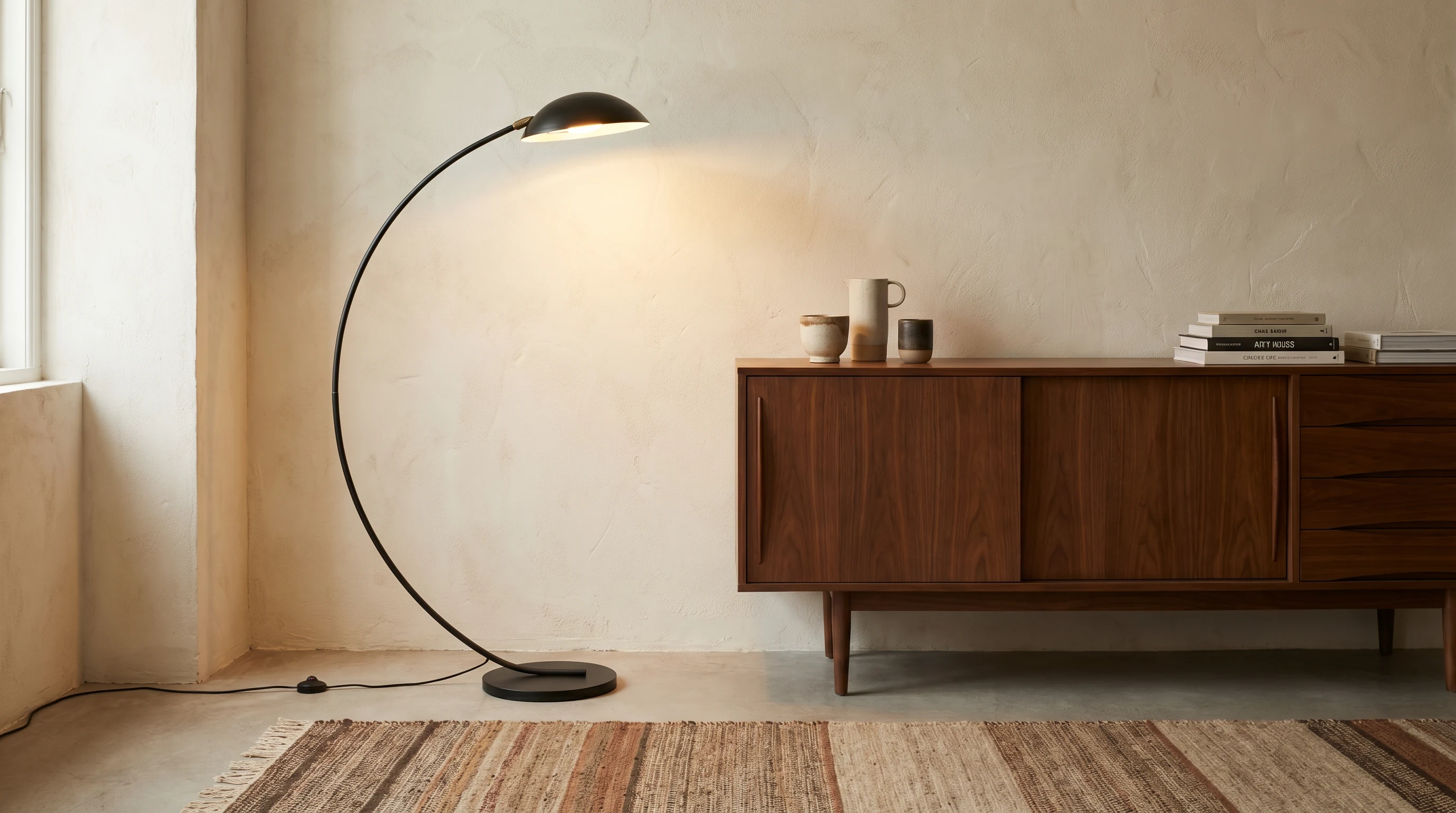
I prefer using metal the way you would use pepper in a recipe: enough to sharpen the room, not enough to dominate every bite. A floor lamp, shelf brackets, a table base, maybe a mirror frame. Then let wood, upholstery, and paper-soft lighting carry the rest.
Soften the Seating Before You Add More Edge
If the sofa and dining chairs already feel comfortable, the industrial elements around them read as character. If the seating feels spare and angular, every additional metal or concrete note pushes the room further into showroom territory.
That is why I like pairing industrial shapes with softer upholstery. A simple sofa with a slightly slouchy linen cover. Dining chairs with black frames but upholstered seats. A bench that looks sturdy without looking punitive. Comfort should arrive before attitude.
Lighting Decides Whether the Room Feels Moody or Mean
Industrial lighting is often beautiful in theory and too exposed in practice. Bare bulbs, cage shades, dark pendants—these can all work, but they need support from warmer sources at lower heights.
A lamp on a sideboard, a shaded table lamp on a desk, even a wall light with a linen shade can shift the whole tone of the room. The goal is mood, not theatrical gloom.
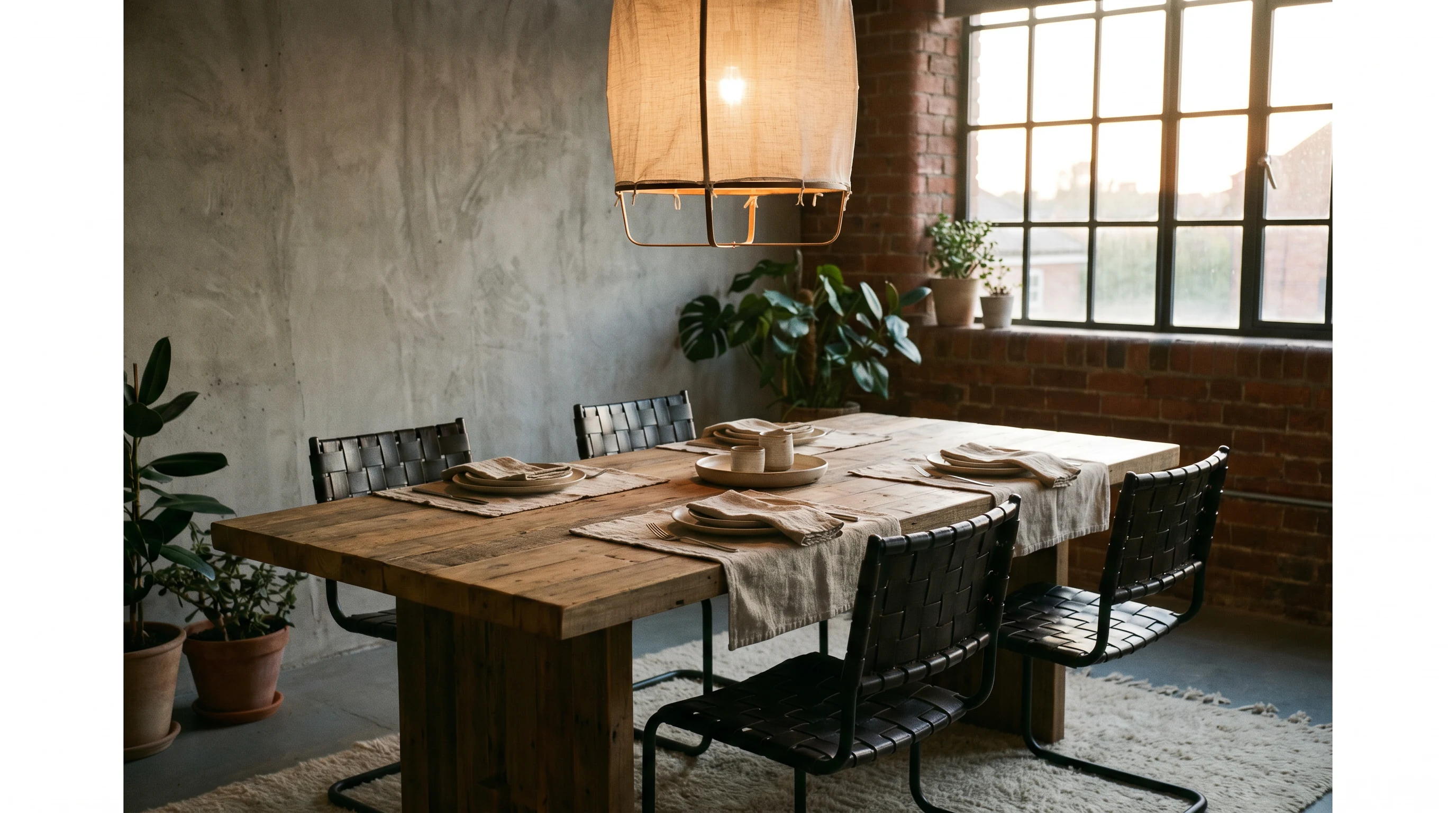
The same room that feels severe at noon can feel quietly sophisticated by evening if the light gets warmer and more layered.
Keep the Palette Grounded, Not Monochrome
Industrial rooms do well with restraint, but restraint does not have to mean endless gray. I prefer a grounded palette: rust, tobacco, olive, chalk white, soot black, aged brass, walnut. These shades still feel architectural, yet they allow the room to breathe.
A little color also helps prevent the style from becoming a costume. Real homes rarely feel convincing when every surface is trying to stay within one narrow industrial stereotype.
A Softer Industrial Room Usually Looks Like This
| If the room starts feeling too harsh | Bring in this |
|---|---|
| Too much black metal | More warm wood and one softer fabric layer |
| Too much gray | Olive, rust, tobacco, or cream |
| Lighting feels exposed | Add lamps with shades at sitting height |
| Furniture feels rigid | Upholstered seats, a textured rug, and curtains with weight |
That is the whole adjustment. Not a reinvention, just a recalibration.
Character Lands Better When the Room Still Welcomes You
This is the standard I use with every style that risks taking itself too seriously. Does the room still welcome you? Do your shoulders drop when you sit down? Can the table hold a takeout container and a candle without looking confused? If the answer is yes, the style is working. If the answer is no, it may be visually coherent and still a little joyless.
Industrial style has a lot to offer. It gives a home bones, contrast, and a kind of practical confidence. But it does not need to prove its seriousness by rejecting softness. In fact, the rooms that get remembered are usually the ones that let the structure stay visible while the atmosphere becomes warmer.
That is the version worth borrowing. Not the cold loft fantasy. The gentler one, where steel and timber still show up, but linen, lamp light, and actual comfort get equal say.
You might also like
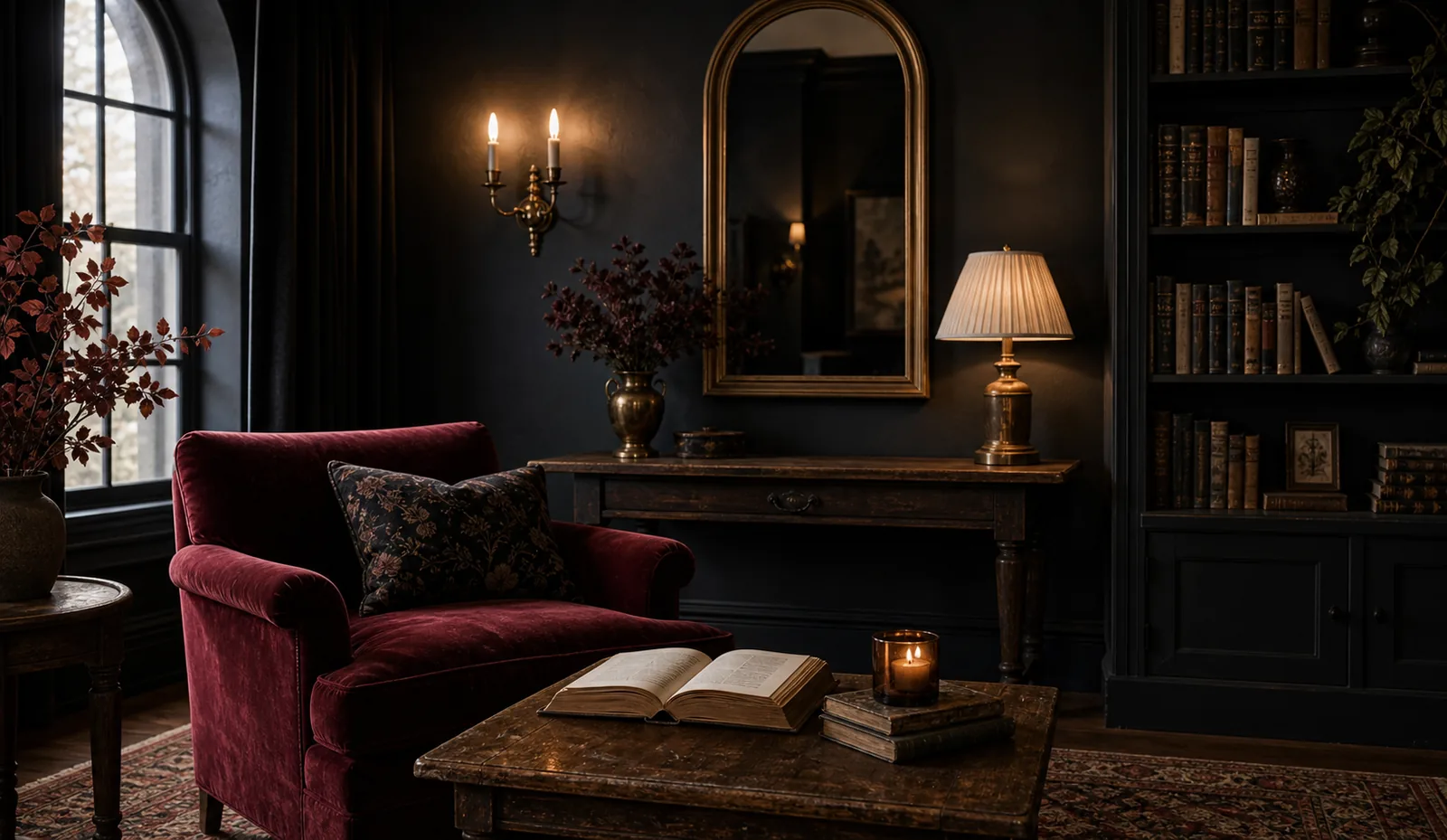
Gothic Home Decor for a Moody Room That Still Feels Livable
Gothic home decor can be dramatic without becoming gloomy when deep color, old-world shapes, and warm light are balanced carefully.
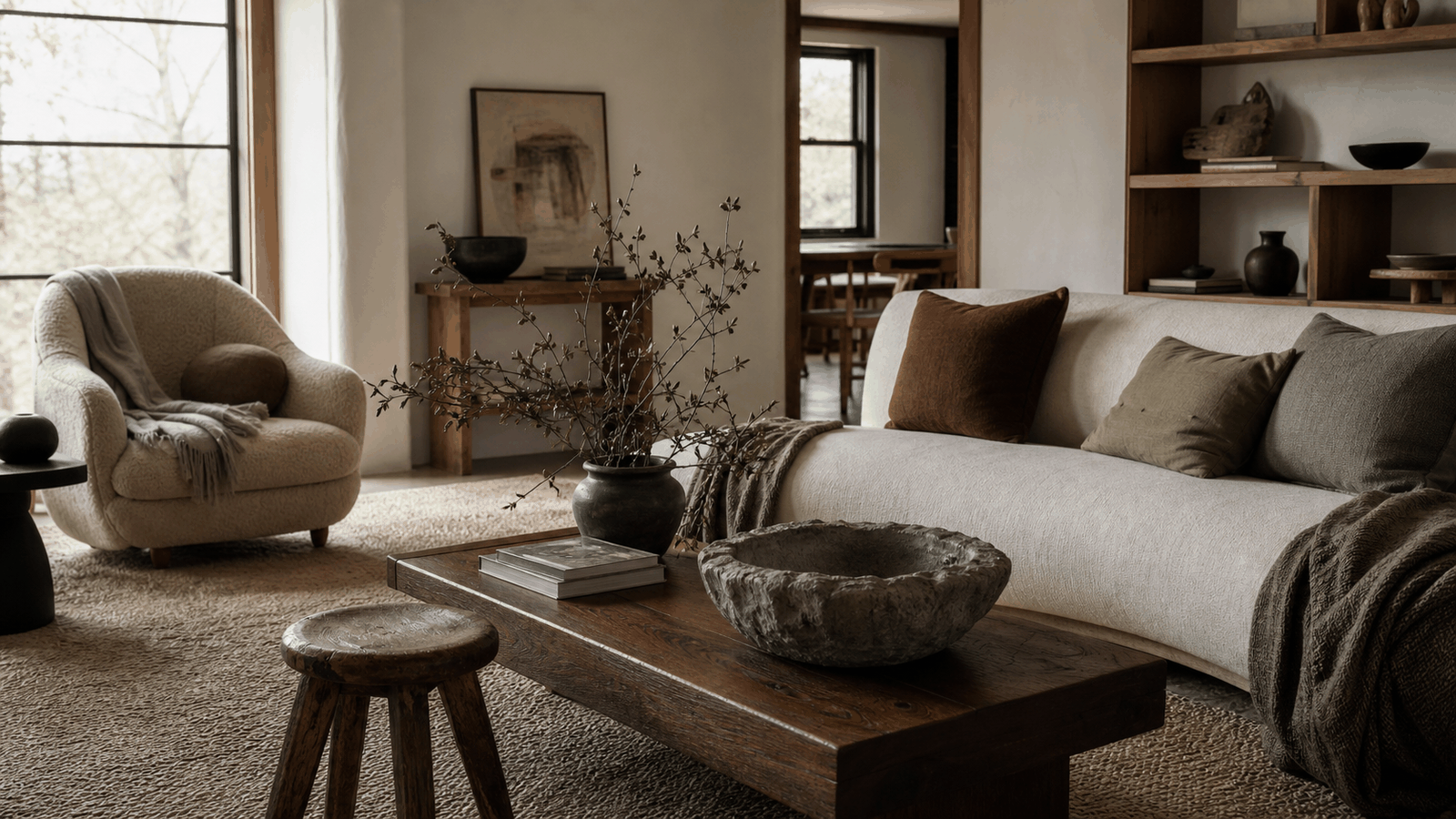
Organic Modern Home Decor Without the Showroom Look
Organic modern style works best when the room keeps its natural texture, useful contrast, and a few imperfect pieces instead of becoming a beige display.
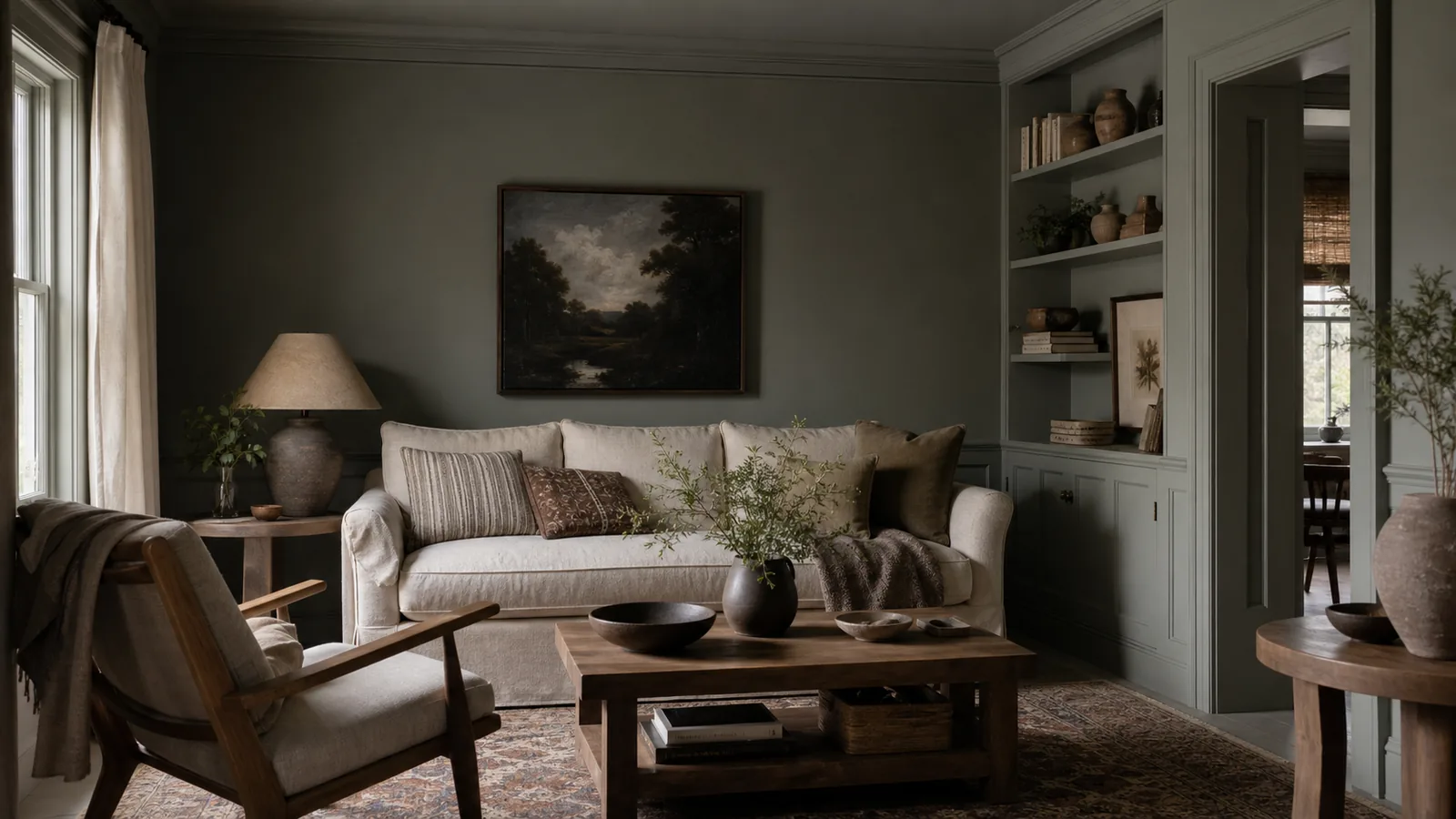
Color Drenching at Home Without Making the Room Feel Flat
Color drenching works best when it creates depth, not just coverage. The room still needs shadow, texture, contrast, and a few places where the eye can rest.