Parisian Apartment Style Looks Best When You Stop Chasing Perfection
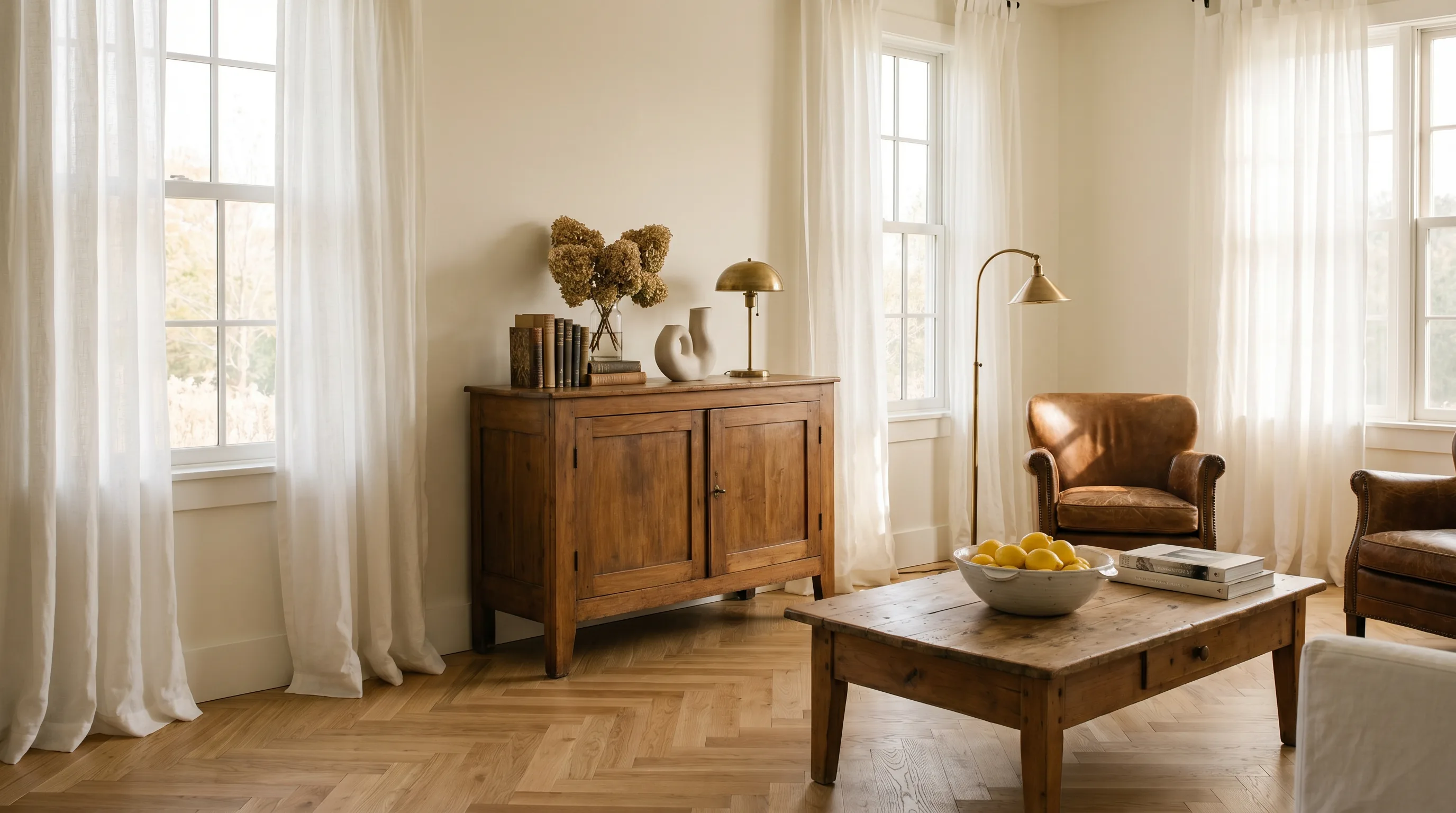
The Myth of the Flawless Haussmannian
There is a persistent misconception that achieving a Parisian aesthetic requires importing a shipping container of gilded mirrors and installing pristine herringbone floors. The reality of actual French apartments—the ones lived in by editors, architects, and artists rather than those staged for magazine covers—is far more forgiving. It relies heavily on tension: the friction between a centuries-old architectural shell and the unapologetic modernity of the objects placed within it.
When you try to execute this style flawlessly, it ends up looking like a film set. The magic lies in the mistakes.
Embrace the Patina
A room that feels too new is inherently un-Parisian. If every surface reflects light perfectly, the space lacks history. Instead of buying a reproduction vintage rug that has been artificially distressed, look for genuine wear. A threadbare Oushak or a slightly faded Persian runner anchors a room with authenticity.
The same principle applies to case goods. A walnut credenza with a water ring or a chipped edge tells a better story than a factory-sealed alternative. If you are sourcing new pieces, prioritize materials that will age gracefully. Unlacquered brass hardware, for instance, will develop a dull, uneven patina over time, which is exactly what you want.
The Power of Asymmetry
Symmetry is safe, but it is also static. To capture that elusive collected feel, break the rules of traditional pairing.
Instead of matching nightstands, try a heavy marble-topped antique on one side of the bed and a minimalist steel pedestal on the other. Above the mantel, rather than centering a single large mirror, lean a slightly disproportionate piece of contemporary art next to a stack of exhibition catalogs. This deliberate imbalance forces the eye to travel and suggests that the room evolved naturally over decades rather than being installed in a single afternoon.
Restraint in Decoration
More is not always better. The most striking Parisian interiors often feature vast expanses of empty wall space and bare parquet floors. This restraint allows the architectural details—whether they are original plaster moldings or just well-proportioned windows—to breathe.
When selecting lighting, resist the urge to over-illuminate. A dramatic, oversized paper lantern like the Akari Light Sculpture provides a soft, diffused glow that flatters both the room and its occupants. Pair it with low-level task lighting: a small, articulated brass reading lamp on a side table, or a ceramic table lamp with a simple linen shade.
Material Selection Matters
If you are going to commit to this aesthetic, invest in textiles that feel substantial. Flimsy synthetic blends will betray the look immediately. Opt for heavy linen drapery that pools slightly on the floor, washed velvet upholstery that catches the light unevenly, and wool throws that add tactile warmth.
A curved bouclé armchair might feel like a trend, but when placed against a backdrop of classic wainscoting and flanked by a rough-hewn timber side table, it provides the exact textural contrast needed to make the space feel grounded.
Stop trying to curate a museum. Let the books pile up on the floor, leave the wrinkles in the linen sheets, and allow your space to reflect the messy, beautiful reality of daily life.
You might also like
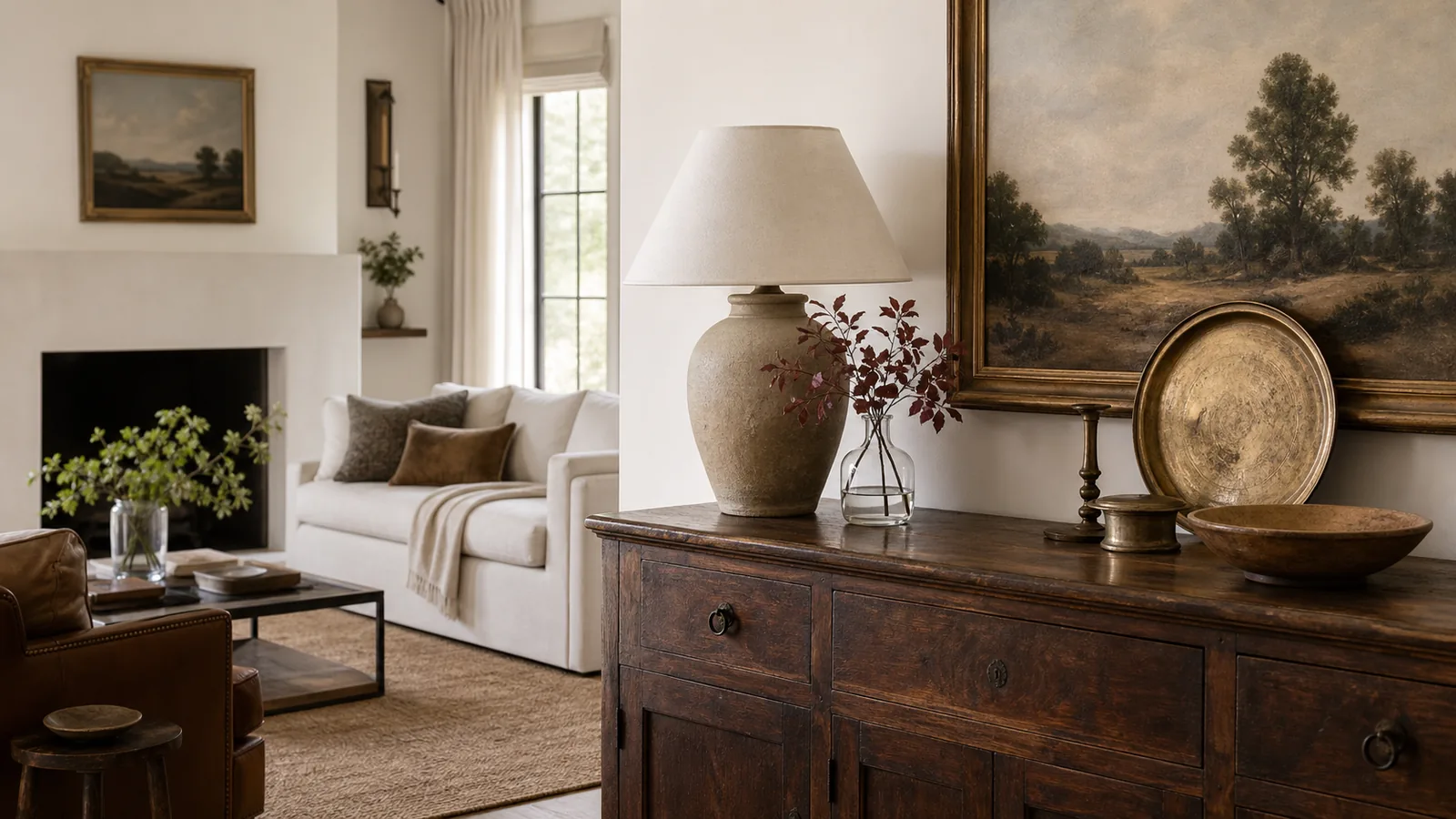
Vintage Home Decorations That Look Collected, Not Random
Vintage home decorations add character when they are edited, useful, and connected by color or material instead of scattered across every surface.
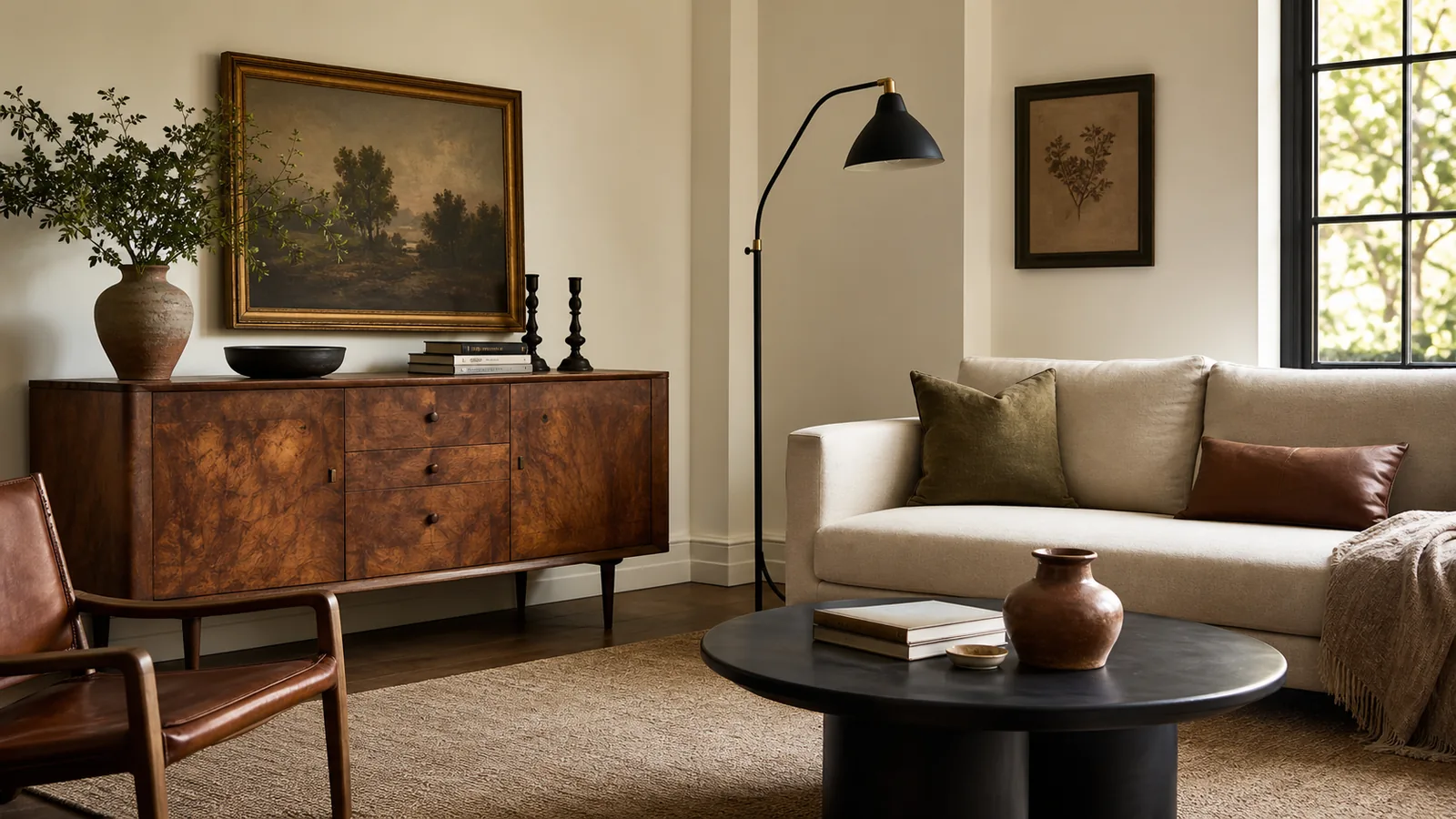
How to Balance Vintage and Modern Pieces Without Making the Room Feel Themed
Mixing old and new furniture works best when the contrast feels collected, not staged. Here is the simple balance that keeps a room from turning into a theme.
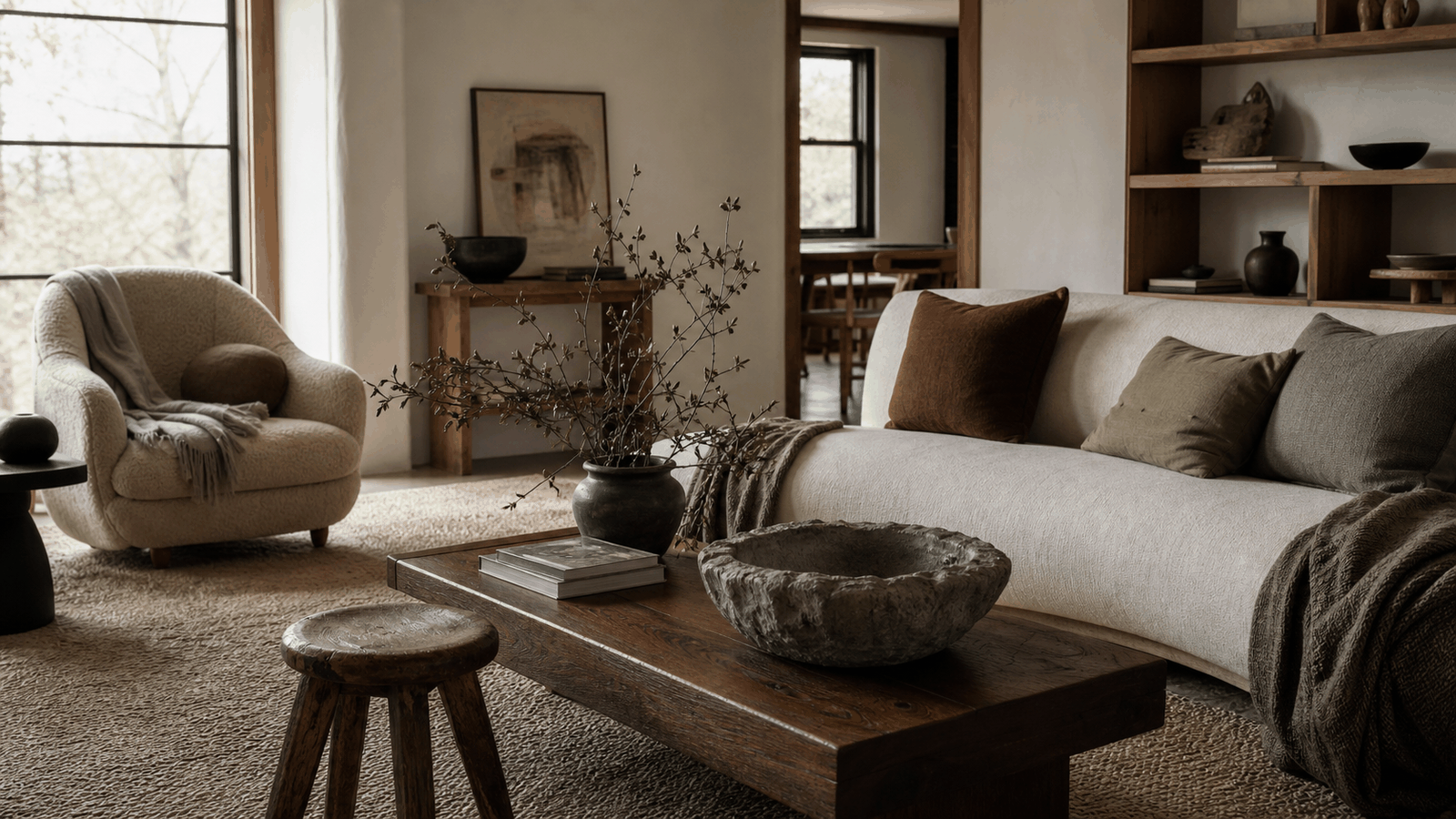
Organic Modern Home Decor Without the Showroom Look
Organic modern style works best when the room keeps its natural texture, useful contrast, and a few imperfect pieces instead of becoming a beige display.