How I Turned a Dead Corner Behind the Sofa Into the Only Spot in the Apartment That Feels Like Mine
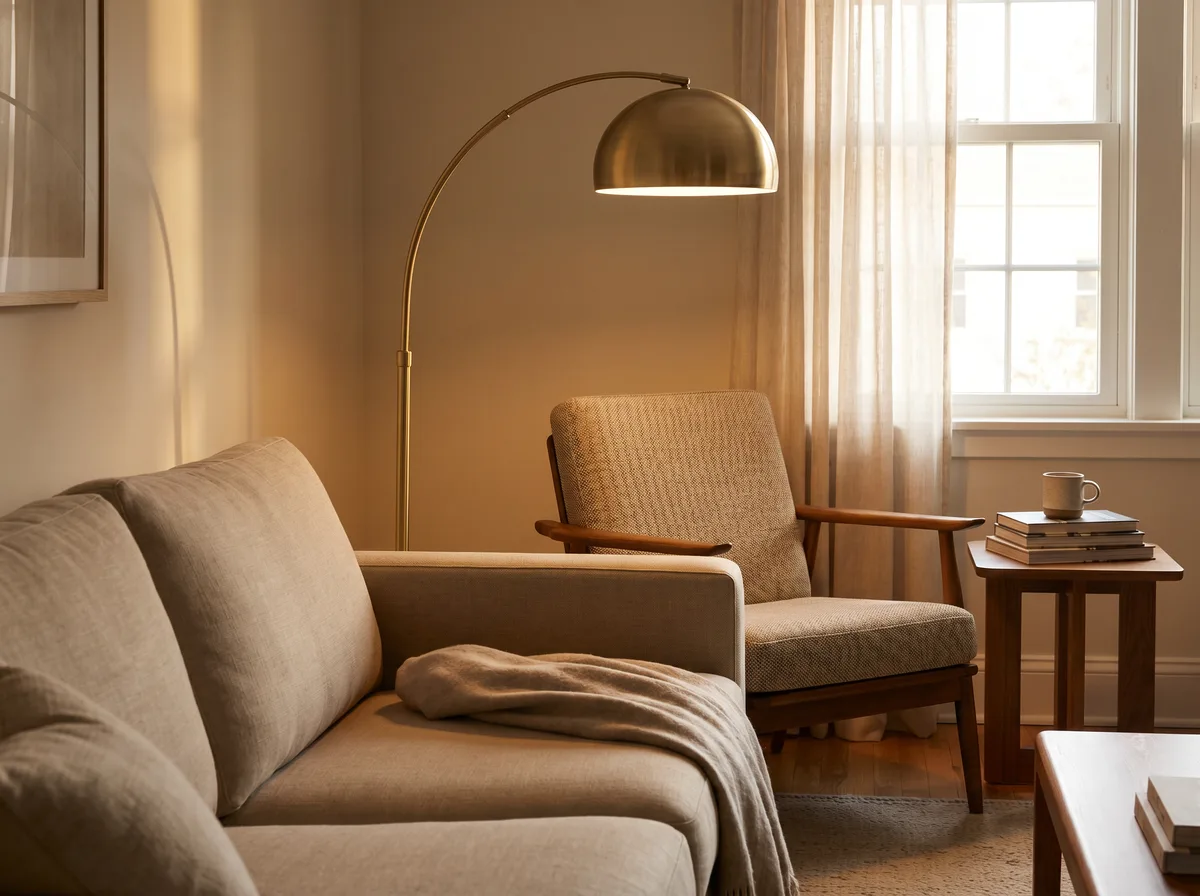
Every apartment seems to have one: a corner that is too small for real furniture but too large to ignore. In my living room, it was the gap behind the sofa. For months, it was just the place where the vacuum cleaner went to hide.
I wanted a reading nook, but the living room already felt full. The breakthrough was realizing that a nook does not need a whole corner—it just needs a boundary.
Defining the Space
The trick to making a tiny area feel intentional is lighting. If you just shove a chair into a corner, it looks like a timeout. If you add a dedicated light source, it becomes a destination.
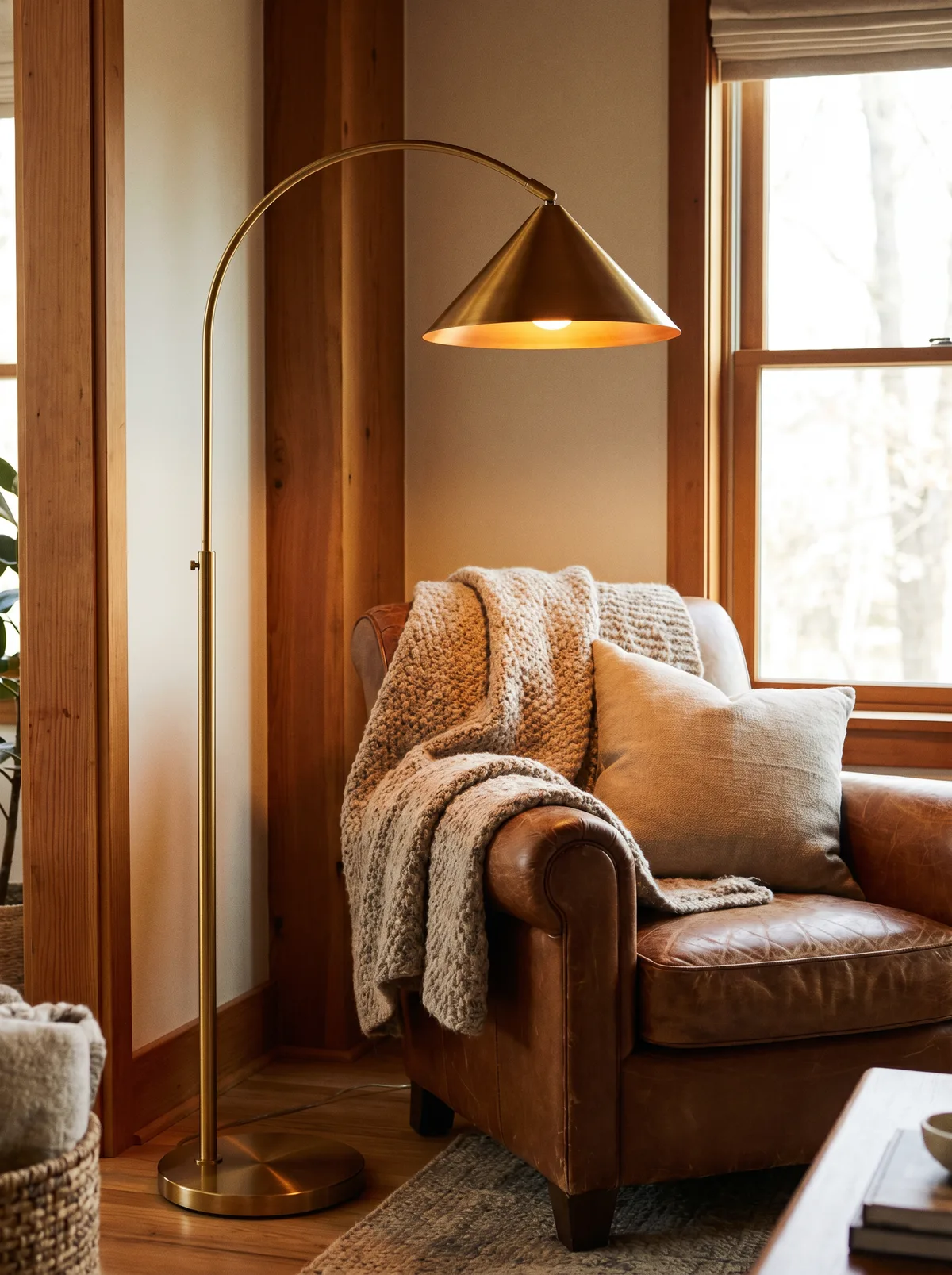
I found a slim, arched floor lamp that could tuck right behind the sofa. It casts a warm, downward pool of light that instantly separates the reading chair from the rest of the room.
The Right Chair for a Tight Squeeze
The chair was harder. It had to be comfortable enough for an hour of reading, but visually light enough not to block the window.
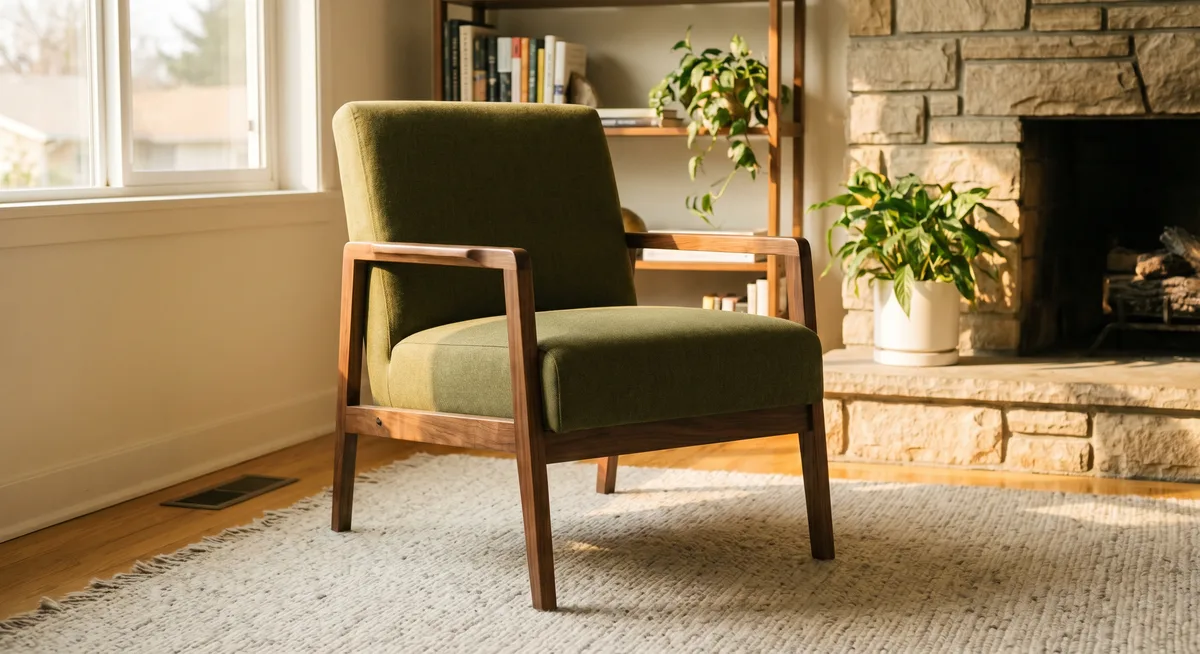
I ended up with a mid-century style accent chair with an open wood frame. The open arms mean you can see the wall behind it, which keeps the corner from feeling choked.
Mid-Century Wood Frame Accent Chair
The Final Layer
A small side table for coffee and a woven basket for blankets finished the setup. Now, when the main living area feels chaotic, I have a three-square-foot sanctuary that requires nothing of me but to sit down and turn a page.
You might also like
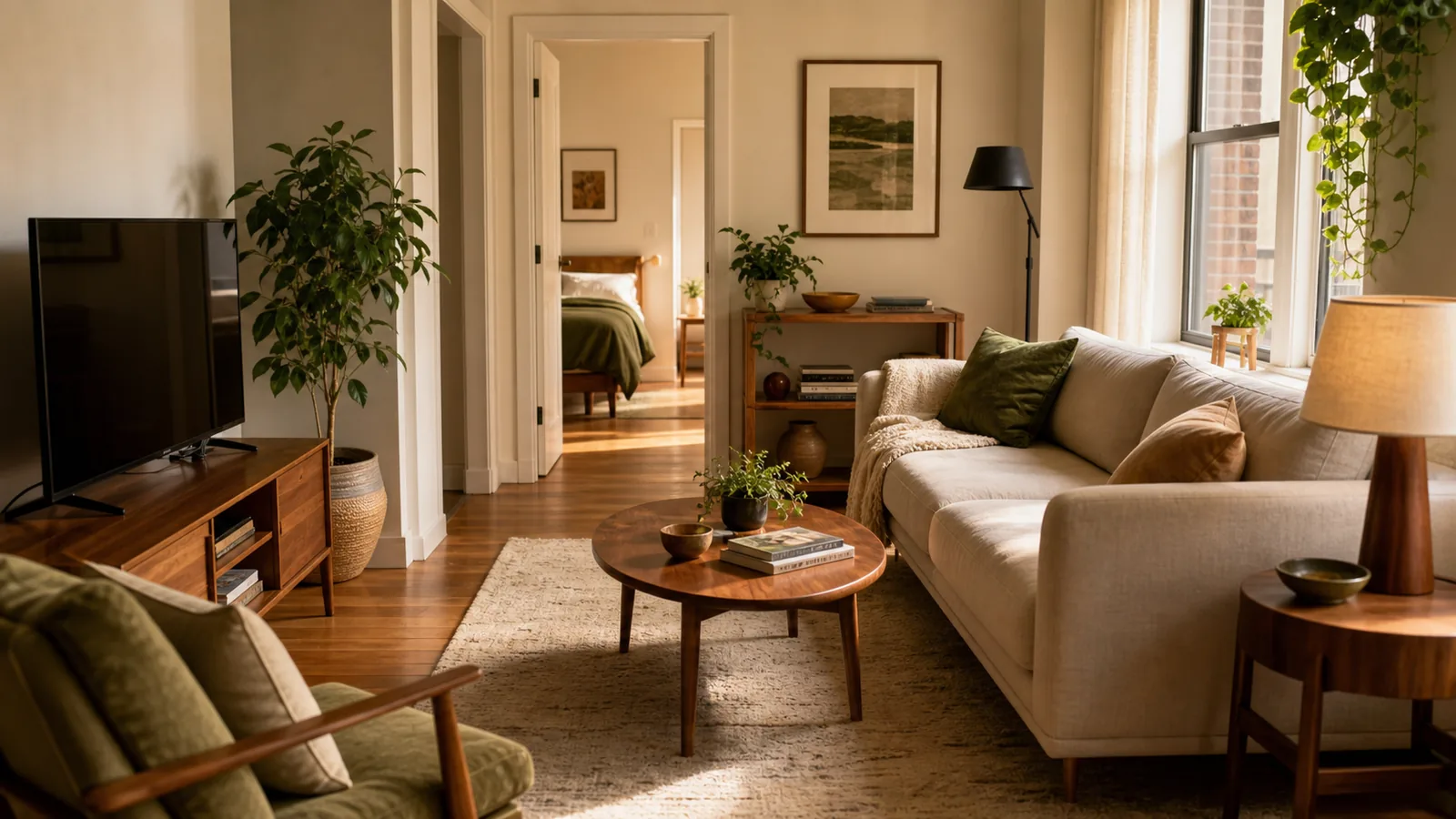
The Living Room Flow Audit I Do Before Buying Anything New
Before another basket, lamp, or side table comes home, this simple living room audit shows what is actually making the room feel awkward.
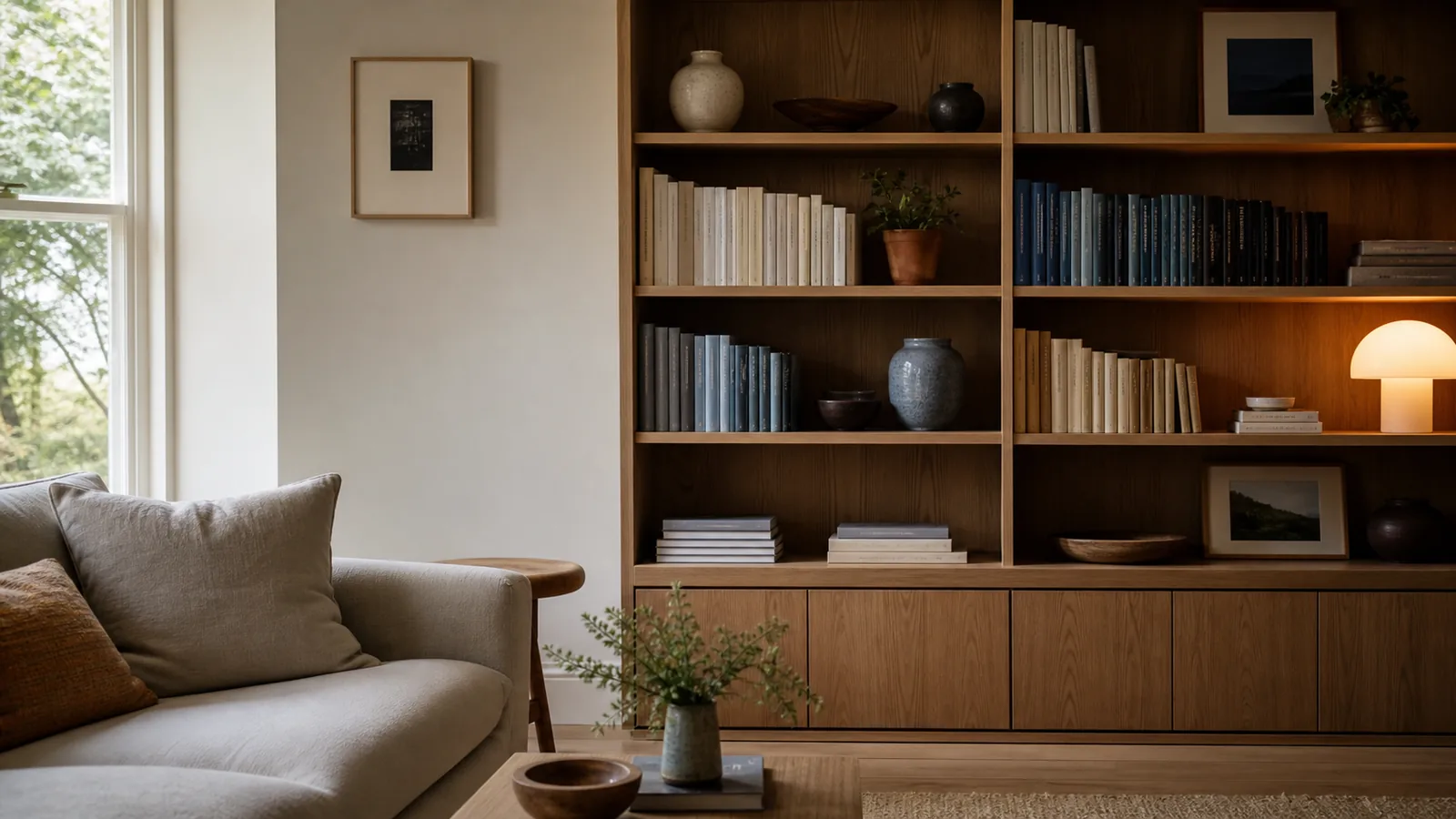
The Bookshelf Styling Reset That Made My Living Room Feel Quieter
A busy bookshelf can make a whole living room feel restless. The reset is less about styling tricks and more about editing rhythm, weight, and breathing room.
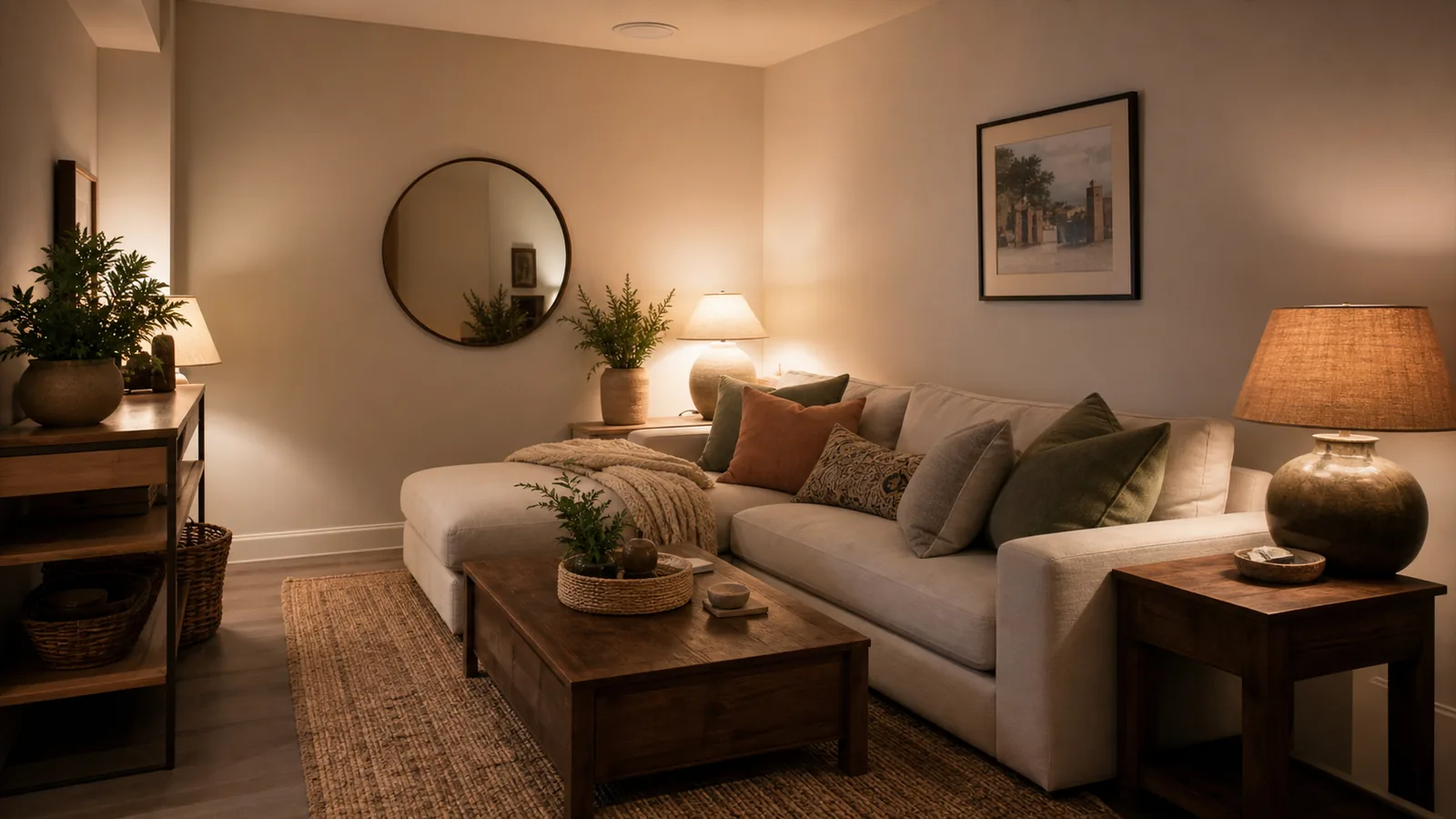
How to Make a Windowless Room Feel Less Stuck
A windowless room needs more than a brighter bulb. It feels better when light has layers, surfaces have depth, and the layout stops apologizing for what the room lacks.